
5 Hidden Stories Behind the Sacred Land of Kurukshetra


The Kurukshetra war is one of the most famous events described in the Mahabharata. But there is a fascinating question hidden behind the battlefield: Why was Kurukshetra considered sacred in the first place? Was the land created by King Kuru, the ancestor after whom it was named? The answer is more complicated than it appears. According to the Mahabharata tradition, this land was considered sacred long before King Kuru. Its story is connected with Brahma’s sacred altar, Parashurama and the ancient region known as Samant Panchak. Then came King Kuru, whose extraordinary determination gave the land another important identity. And that is where the mystery of Kurukshetra truly begins.
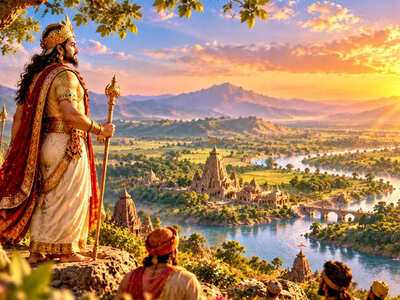
Kurukshetra Was Ancient Before Kuru
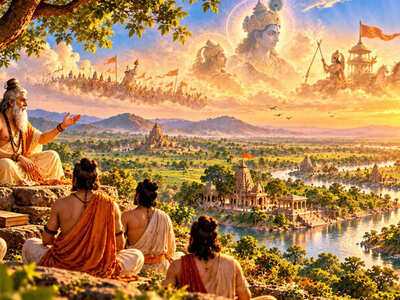 The sacred land of Kurukshetra is described in ancient traditions long before the Mahabharata war.
The first surprise in the Kurukshetra origin story is that King Kuru did not simply create the land from nothing. The Mahabharata tradition connects Kurukshetra with an ancient sacred region associated with Brahma’s Uttaravedi, described as a special sacrificial altar. This means the land already carried religious significance before it became connected with the Kuru dynasty. So why does the name Kurukshetra exist? That answer comes later, when King Kuru’s actions gave the ancient sacred land another powerful identity. The history of Kurukshetra is therefore much older and more layered than the battlefield we remember from the Mahabharata.
The Story of Parashurama
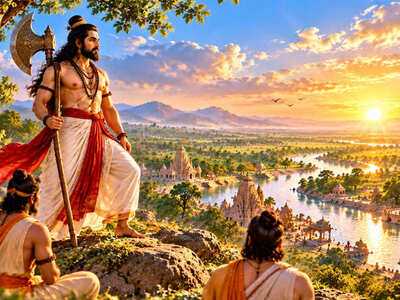 Traditional accounts connect Parashurama with the ancient sacred region that later became associated with Kurukshetra.
Another important chapter in the Kurukshetra mythology involves Parashurama. Traditional accounts tell of his conflict with Kshatriya rulers after the killing of his father, Jamadagni. Following his campaigns, the story connects Parashurama with this ancient region. According to the Mahabharata tradition, he created five ponds here and performed rituals for his ancestors. These five ponds became associated with Samant Panchak, an ancient name linked with the region. This adds another layer to the sacred identity of Kurukshetra. Long before the Pandavas and Kauravas arrived, stories of ancestors, rituals and divine traditions had already become part of this land.
Why It Was Called Samant PanchakThe name Samant Panchak is linked with the five ponds described in the Parashurama tradition. “Panchak” refers to five, making the five sacred ponds central to the story. According to the traditional narrative, Parashurama performed ancestral rites there, and the place received the status of a sacred pilgrimage site. This is an important part of understanding Kurukshetra history because the region had several layers of sacred association before the Kuru dynasty became central to its identity. The land was not suddenly made holy for the Mahabharata. Instead, different stories gradually built its reputation as a place connected with rituals, ancestors and dharma.
Then Came King KuruNow comes the part that explains the name Kurukshetra. King Kuru, traditionally described as the son of Samvarana and Tapati, became an important ancestor of the Kuru dynasty. The land was already sacred, but the tradition associates King Kuru with a powerful resolve to cultivate it as a field of dharma. His name eventually became closely connected with the region. This is why Kurukshetra meaning is often understood as the “land of Kuru.” The fascinating point is that Kuru did not simply discover an empty piece of land. He became part of a much older sacred story that had already been unfolding there.
Kuru’s Great ResolveThe story of King Kuru is not simply about geography. It is about intention. Traditional accounts describe Kuru working to establish the land as a place where dharma, truth and spiritual merit could flourish. This explains why the phrase Dharmakshetra Kurukshetra became so significant in the Mahabharata. The word “kshetra” means a field or sacred area, while dharma refers broadly to righteous duty and moral order. This gives the sacred land of Kurukshetra a meaning beyond its physical location. By the time the Mahabharata war took place, the land already carried centuries of religious and cultural associations.
Why the Mahabharata War Happened HereWhen the Pandavas and Kauravas finally faced each other, they did not fight on an ordinary battlefield. The Mahabharata itself opens with the famous description of “Dharmakshetra Kurukshetra.” The choice of this land therefore carries symbolic weight within the epic. A place traditionally associated with sacred rituals and dharma became the setting for one of the greatest conflicts in Indian epic literature. That contrast is striking: a land associated with righteousness became the stage for a devastating war between members of the same family. This is one reason Kurukshetra in Mahabharata remains such a powerful image even today.
The Land Had Many Stories Before One WarThe biggest lesson from the Kurukshetra origin story is that its history cannot be reduced to one event. The land was traditionally connected with Brahma’s Uttaravedi, later with Parashurama and the five ponds of Samant Panchak, and eventually with King Kuru and his determination. The Mahabharata war became the most famous chapter, but it was not necessarily the beginning of the story. Understanding these layers makes the history of Kurukshetra far more fascinating. It was already a sacred landscape in tradition before it became the battlefield where Krishna delivered the Bhagavad Gita to Arjuna.
Unlock insightful tips and inspiration on personal growth, productivity, and well-being. Stay motivated and updated with the latest at My Life XP
Kurukshetra Was Ancient Before Kuru
The first surprise in the Kurukshetra origin story is that King Kuru did not simply create the land from nothing. The Mahabharata tradition connects Kurukshetra with an ancient sacred region associated with Brahma’s Uttaravedi, described as a special sacrificial altar. This means the land already carried religious significance before it became connected with the Kuru dynasty. So why does the name Kurukshetra exist? That answer comes later, when King Kuru’s actions gave the ancient sacred land another powerful identity. The history of Kurukshetra is therefore much older and more layered than the battlefield we remember from the Mahabharata.
The Story of Parashurama
Another important chapter in the Kurukshetra mythology involves Parashurama. Traditional accounts tell of his conflict with Kshatriya rulers after the killing of his father, Jamadagni. Following his campaigns, the story connects Parashurama with this ancient region. According to the Mahabharata tradition, he created five ponds here and performed rituals for his ancestors. These five ponds became associated with Samant Panchak, an ancient name linked with the region. This adds another layer to the sacred identity of Kurukshetra. Long before the Pandavas and Kauravas arrived, stories of ancestors, rituals and divine traditions had already become part of this land.
Why It Was Called Samant PanchakThe name Samant Panchak is linked with the five ponds described in the Parashurama tradition. “Panchak” refers to five, making the five sacred ponds central to the story. According to the traditional narrative, Parashurama performed ancestral rites there, and the place received the status of a sacred pilgrimage site. This is an important part of understanding Kurukshetra history because the region had several layers of sacred association before the Kuru dynasty became central to its identity. The land was not suddenly made holy for the Mahabharata. Instead, different stories gradually built its reputation as a place connected with rituals, ancestors and dharma.
Then Came King KuruNow comes the part that explains the name Kurukshetra. King Kuru, traditionally described as the son of Samvarana and Tapati, became an important ancestor of the Kuru dynasty. The land was already sacred, but the tradition associates King Kuru with a powerful resolve to cultivate it as a field of dharma. His name eventually became closely connected with the region. This is why Kurukshetra meaning is often understood as the “land of Kuru.” The fascinating point is that Kuru did not simply discover an empty piece of land. He became part of a much older sacred story that had already been unfolding there.
Kuru’s Great ResolveThe story of King Kuru is not simply about geography. It is about intention. Traditional accounts describe Kuru working to establish the land as a place where dharma, truth and spiritual merit could flourish. This explains why the phrase Dharmakshetra Kurukshetra became so significant in the Mahabharata. The word “kshetra” means a field or sacred area, while dharma refers broadly to righteous duty and moral order. This gives the sacred land of Kurukshetra a meaning beyond its physical location. By the time the Mahabharata war took place, the land already carried centuries of religious and cultural associations.
Why the Mahabharata War Happened HereWhen the Pandavas and Kauravas finally faced each other, they did not fight on an ordinary battlefield. The Mahabharata itself opens with the famous description of “Dharmakshetra Kurukshetra.” The choice of this land therefore carries symbolic weight within the epic. A place traditionally associated with sacred rituals and dharma became the setting for one of the greatest conflicts in Indian epic literature. That contrast is striking: a land associated with righteousness became the stage for a devastating war between members of the same family. This is one reason Kurukshetra in Mahabharata remains such a powerful image even today.
The Land Had Many Stories Before One WarThe biggest lesson from the Kurukshetra origin story is that its history cannot be reduced to one event. The land was traditionally connected with Brahma’s Uttaravedi, later with Parashurama and the five ponds of Samant Panchak, and eventually with King Kuru and his determination. The Mahabharata war became the most famous chapter, but it was not necessarily the beginning of the story. Understanding these layers makes the history of Kurukshetra far more fascinating. It was already a sacred landscape in tradition before it became the battlefield where Krishna delivered the Bhagavad Gita to Arjuna.
Unlock insightful tips and inspiration on personal growth, productivity, and well-being. Stay motivated and updated with the latest at My Life XP
Next Story