
5 Incredible Animals That Live in the Air and Rarely Touch the Ground

When we think of wildlife, most images are rooted firmly on land. However, some animals that live in the air have evolved to spend nearly their entire lives flying, gliding, or hanging high above the ground. These remarkable aerial animals rarely touch the earth, proving that survival doesn’t always require solid ground beneath their feet.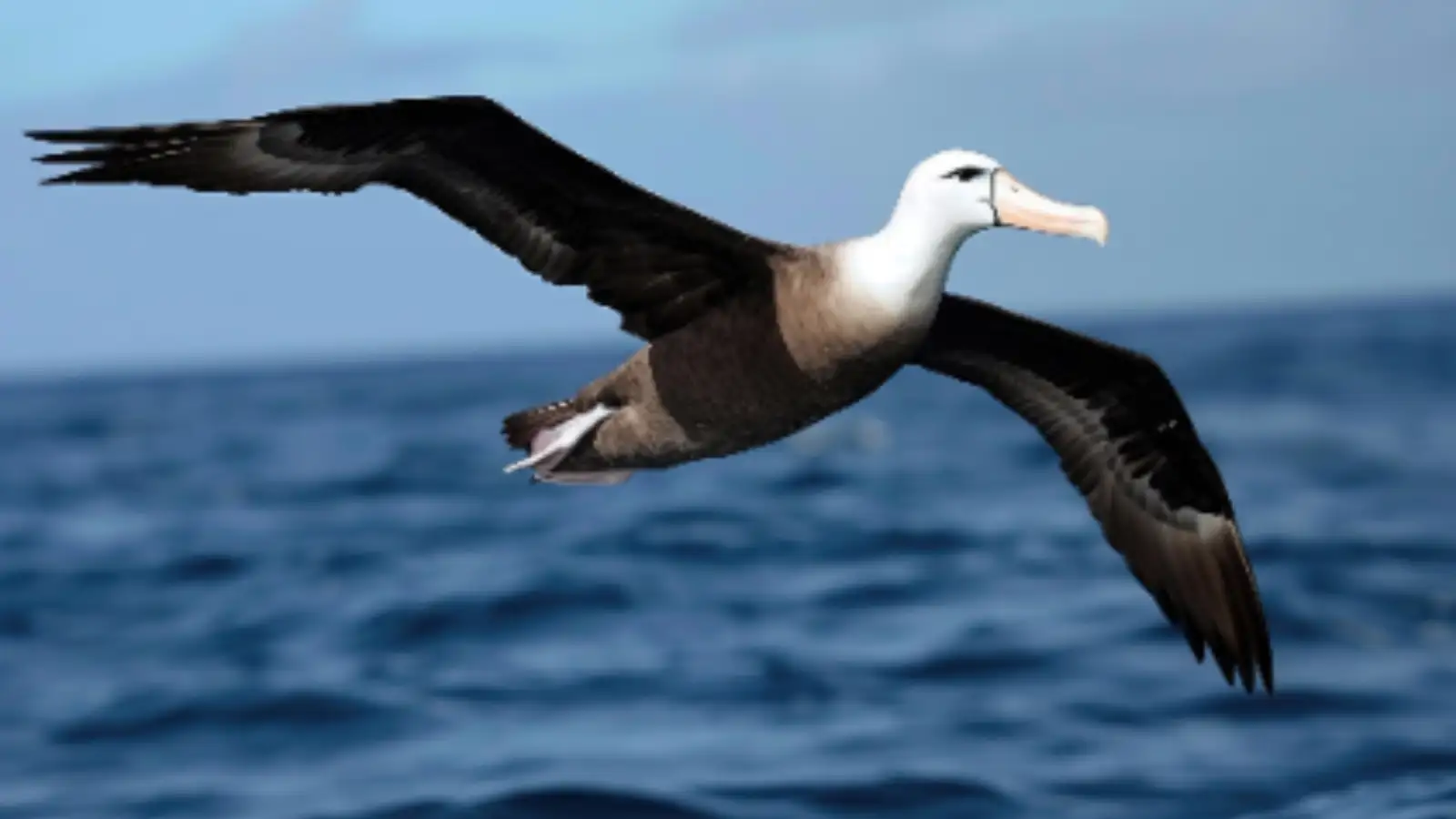
From vast oceans to dense forests, these creatures have mastered life in the skies through extraordinary adaptations. Let’s explore five fascinating species that barely land and truly live life in the air.
Albatross: The Ultimate Ocean Glider
The albatross is one of the most iconic animals that live in the air, known for having the largest wingspan of any bird - stretching up to 12 feet. Using powerful wind currents, this seabird can glide effortlessly for months without landing.
Its energy-efficient flight makes the albatross a true master of the skies.
Common Swift: A Bird That Sleeps While Flying
Common swifts redefine aerial living. Research shows these birds can stay airborne for up to ten months at a time, making them among the most air-dependent birds on the planet.
Among all animals that live in the air, the common swift comes closest to never touching the ground.
Frigatebird: Master of Endless Flight
Frigatebirds are built for long-distance flying and are rarely seen on land or water. Their feathers are not waterproof, so landing on the ocean is risky.
This incredible endurance places frigatebirds high on the list of elite aerial animals.
Flying Fox Bat : Giants of the Night Sky
Flying foxes, also known as fruit bats, are the largest bats in the world, with wingspans reaching up to five feet. These nocturnal flyers travel vast distances every night in search of food.
Their airborne lifestyle makes them vital contributors to healthy ecosystems.
Flying Squirrel: The Forest Glider
While flying squirrels don’t truly fly, their gliding ability earns them a place among animals that live in the air. Using a special skin membrane, they can glide up to 150 feet between trees.
This adaptation helps them stay safe while conserving energy.
Life Above the Ground: Nature’s Aerial Wonders
From ocean travellers like the albatross to night time gliders like flying squirrels, these animals that live in the air show how evolution can shape life far from the ground. By avoiding land, they conserve energy, escape predators, and thrive in unique habitats.
Nature continues to amaze us with its endless possibilities - proving that sometimes, the best way forward is up in the air.
From vast oceans to dense forests, these creatures have mastered life in the skies through extraordinary adaptations. Let’s explore five fascinating species that barely land and truly live life in the air.
Albatross: The Ultimate Ocean Glider
The albatross is one of the most iconic animals that live in the air, known for having the largest wingspan of any bird - stretching up to 12 feet. Using powerful wind currents, this seabird can glide effortlessly for months without landing.
- Spends most of its life soaring over open oceans
- Lands only to breed and raise chicks
- Feeds and even rests while flying
Its energy-efficient flight makes the albatross a true master of the skies.
Common Swift: A Bird That Sleeps While Flying
Common swifts redefine aerial living. Research shows these birds can stay airborne for up to ten months at a time, making them among the most air-dependent birds on the planet.
- Eats, drinks, and sleeps mid-flight
- Lands only during nesting season
- Perfectly adapted for continuous flight
Among all animals that live in the air, the common swift comes closest to never touching the ground.
Frigatebird: Master of Endless Flight
Frigatebirds are built for long-distance flying and are rarely seen on land or water. Their feathers are not waterproof, so landing on the ocean is risky.
- Remains airborne for weeks at a stretch
- Snatches fish mid-air and steals food from other birds
- Some tracked flying continuously for over two months
This incredible endurance places frigatebirds high on the list of elite aerial animals.
Flying Fox Bat : Giants of the Night Sky
Flying foxes, also known as fruit bats, are the largest bats in the world, with wingspans reaching up to five feet. These nocturnal flyers travel vast distances every night in search of food.
- Spends life flying or hanging from trees
- Rarely walks on the ground
- Plays a crucial role in seed dispersal and forest regeneration
Their airborne lifestyle makes them vital contributors to healthy ecosystems.
Flying Squirrel: The Forest Glider
While flying squirrels don’t truly fly, their gliding ability earns them a place among animals that live in the air. Using a special skin membrane, they can glide up to 150 feet between trees.
- Lives high in forest canopies
- Avoids ground predators by staying airborne
- Moves efficiently through the air instead of walking
This adaptation helps them stay safe while conserving energy.
Life Above the Ground: Nature’s Aerial Wonders
From ocean travellers like the albatross to night time gliders like flying squirrels, these animals that live in the air show how evolution can shape life far from the ground. By avoiding land, they conserve energy, escape predators, and thrive in unique habitats.
Nature continues to amaze us with its endless possibilities - proving that sometimes, the best way forward is up in the air.
Next Story