
5 Nocturnal Animals Rarely Seen: Mysterious Creatures That Come Alive at Night

Nocturnal animals rarely seen by humans belong to a hidden world that awakens after sunset. While most people rest, these elusive creatures become active, perfectly adapted to thrive in darkness. With sharper senses, silent movement, and remarkable survival techniques, they dominate environments where visibility is minimal.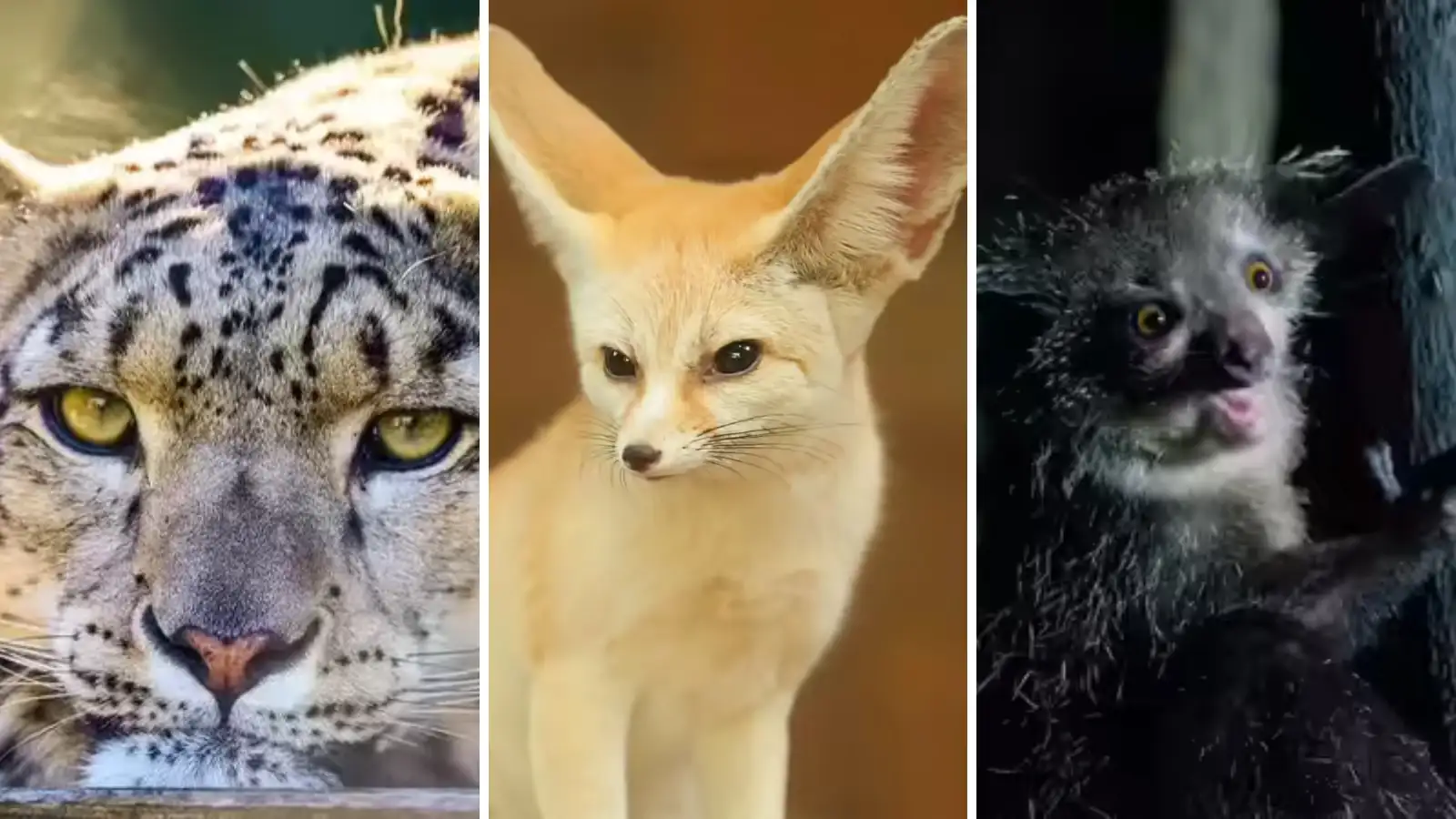
From remote forests to icy mountain ranges and even the deepest parts of the ocean, these animals live away from human sight. Their secretive behaviour and rare appearances make them some of the most fascinating yet least understood species on Earth.
1. Aye-Aye: The Mysterious Ghost of the Forest
Hidden in the forests of Madagascar, the Aye-Aye is one of the rarest primates in the world. Its strictly nocturnal lifestyle and solitary nature make it incredibly difficult to spot in the wild.
What truly sets it apart is its unusual hunting method. It uses a long, thin middle finger to tap on tree bark and detect hollow spaces where insects live. Once it finds its prey, it chews through the wood and extracts it with precision. Its large eyes and sensitive ears further enhance its ability to hunt in near-total darkness.
2. Snow Leopard: The Elusive Mountain Predator
The Snow Leopard is widely known as the “ghost of the mountains” for a reason. Found in high-altitude regions like the Himalayas, it is rarely seen even by experienced explorers.
Although not entirely nocturnal, it is most active during twilight and nighttime. Its thick, smoky-grey fur blends perfectly with rocky surroundings, making it nearly invisible. Instead of chasing prey at high speed, it relies on stealth, silently navigating snowy terrain with the help of its wide paws and maintaining balance using its long tail.
3. Fennec Fox: The Desert’s Night Survivor
The Fennec Fox thrives in the harsh conditions of the Sahara Desert, where daytime temperatures can be extreme. To avoid the heat, it remains inactive during the day and emerges only at night.
Large ears help detect prey beneath the sand and regulate body temperature
Thick fur protects it from cold desert nights
Light-coloured coat provides natural camouflage under moonlight
It feeds on insects, small rodents, and plants, using its excellent hearing and digging skills to locate food in the dark.
4. Slow Loris: The Silent and Venomous Primate
The Slow Loris, found in Southeast Asia, is a small tree-dwelling primate known for its slow and deliberate movements. Its nocturnal behaviour and ability to remain still for long periods make it difficult to detect.
One of its most unusual features is its venom. It produces toxins from glands near its elbows and spreads them onto its fur as a defence mechanism. Its strong grip allows it to hold onto branches effortlessly, while its large eyes provide excellent night vision for navigating dense forests.
5. Vampire Squid: The Ocean’s Deep-Sea Enigma
Living in the deep ocean where sunlight never reaches, the Vampire Squid is one of the most mysterious creatures on the planet. It spends its entire life in darkness, far beyond human reach.
Unlike most squid, it conserves energy by moving very little, making it perfectly adapted to extreme deep-sea conditions.
A Hidden World Beyond Human Sight
The world of nocturnal animals rarely seen is filled with mystery, adaptation, and extraordinary survival strategies. These creatures prove that life doesn’t pause after sunset - it simply takes on a different form.
Understanding these rare species not only sparks curiosity but also highlights how much of our natural world still remains unexplored.
From remote forests to icy mountain ranges and even the deepest parts of the ocean, these animals live away from human sight. Their secretive behaviour and rare appearances make them some of the most fascinating yet least understood species on Earth.
1. Aye-Aye: The Mysterious Ghost of the Forest
Hidden in the forests of Madagascar, the Aye-Aye is one of the rarest primates in the world. Its strictly nocturnal lifestyle and solitary nature make it incredibly difficult to spot in the wild.
What truly sets it apart is its unusual hunting method. It uses a long, thin middle finger to tap on tree bark and detect hollow spaces where insects live. Once it finds its prey, it chews through the wood and extracts it with precision. Its large eyes and sensitive ears further enhance its ability to hunt in near-total darkness.
2. Snow Leopard: The Elusive Mountain Predator
The Snow Leopard is widely known as the “ghost of the mountains” for a reason. Found in high-altitude regions like the Himalayas, it is rarely seen even by experienced explorers.
Although not entirely nocturnal, it is most active during twilight and nighttime. Its thick, smoky-grey fur blends perfectly with rocky surroundings, making it nearly invisible. Instead of chasing prey at high speed, it relies on stealth, silently navigating snowy terrain with the help of its wide paws and maintaining balance using its long tail.
3. Fennec Fox: The Desert’s Night Survivor
The Fennec Fox thrives in the harsh conditions of the Sahara Desert, where daytime temperatures can be extreme. To avoid the heat, it remains inactive during the day and emerges only at night.
Large ears help detect prey beneath the sand and regulate body temperature
Thick fur protects it from cold desert nights
Light-coloured coat provides natural camouflage under moonlight
It feeds on insects, small rodents, and plants, using its excellent hearing and digging skills to locate food in the dark.
4. Slow Loris: The Silent and Venomous Primate
The Slow Loris, found in Southeast Asia, is a small tree-dwelling primate known for its slow and deliberate movements. Its nocturnal behaviour and ability to remain still for long periods make it difficult to detect.
One of its most unusual features is its venom. It produces toxins from glands near its elbows and spreads them onto its fur as a defence mechanism. Its strong grip allows it to hold onto branches effortlessly, while its large eyes provide excellent night vision for navigating dense forests.
5. Vampire Squid: The Ocean’s Deep-Sea Enigma
Living in the deep ocean where sunlight never reaches, the Vampire Squid is one of the most mysterious creatures on the planet. It spends its entire life in darkness, far beyond human reach.
- Feeds on organic debris drifting in water, known as marine snow
- Produces light through bioluminescence to confuse predators
- Displays a unique defensive posture to appear larger and more threatening
Unlike most squid, it conserves energy by moving very little, making it perfectly adapted to extreme deep-sea conditions.
A Hidden World Beyond Human Sight
The world of nocturnal animals rarely seen is filled with mystery, adaptation, and extraordinary survival strategies. These creatures prove that life doesn’t pause after sunset - it simply takes on a different form.
Understanding these rare species not only sparks curiosity but also highlights how much of our natural world still remains unexplored.
Next Story