
5 Ways Indian Kitchens Made Food Sour Before Tomatoes Arrived

The tomato walks into an Indian kitchen like it owns the place. It colours the gravy, carries the acidity, and holds the whole dish together. But it has only been doing this for roughly three to four centuries, arriving via Portuguese trade routes from the Americas. Before that, Indian cooks had already solved the sourness problem, and they had solved it five different ways.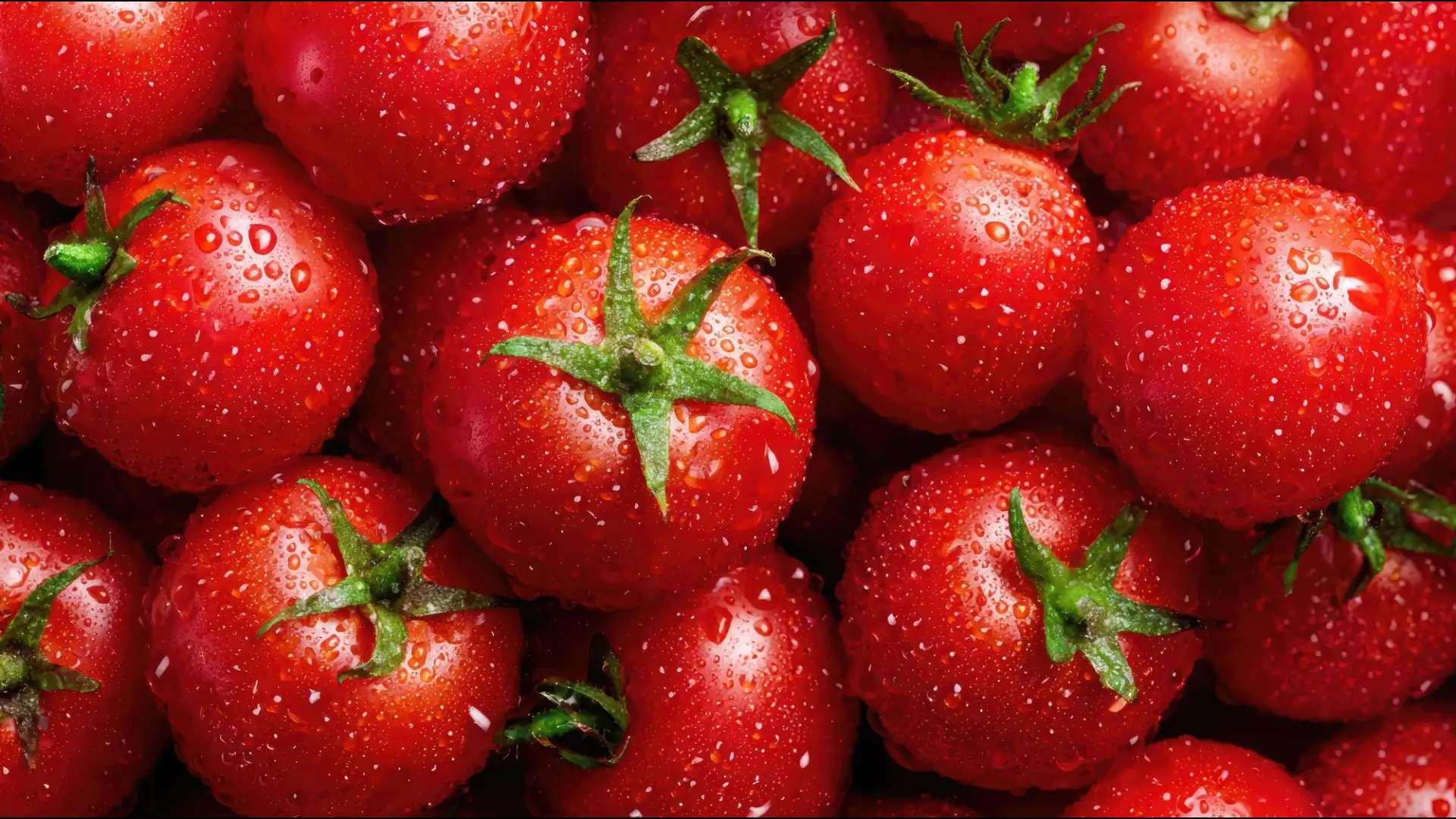
Each of these five ingredients solved the same chemical problem, adding acidity to balance fat, salt, and heat, but each carried a different flavour character, a different regional home, and a different relationship with the dish around it. The tomato, when it arrived, was cheaper, easier to grow, and versatile enough to absorb spices quickly. It displaced these older agents in many dishes but never fully replaced them. A rasam made with tomato instead of tamarind is a different drink. The older sourness is still there, in the dishes that refused to change.
Tamarind: The South's Backbone
Tamarind is the oldest workhorse in the southern kitchen. The pulp of the tamarind pod carries a deep, fruity acidity that softens as it cooks, losing its sharpness and gaining a rounded, almost molasses-like sourness. Rasam, sambar, and the tamarind rice of Tamil Nadu all rest on it. The Mahabharata references tamarind by an older Sanskrit name, suggesting it was already embedded in the subcontinent's food culture well before recorded culinary history. It does not just add acid. It also acts as a preservative, slowing spoilage in a climate where food turns fast.Kokum: Coastal Sourness with a Purple Edge
Along the Konkan coast, from southern Maharashtra through Goa into coastal Karnataka, the dried rind of the kokum fruit does what tamarind does in the south, but with a cooler, more floral sourness and a deep magenta colour that stains the dish. Sol kadhi, the pink digestive drink served after a coastal Konkani or Goan meal, is essentially kokum steeped in coconut milk. The sourness of kokum is gentler than tamarind and slightly astringent. It also carries hydroxycitric acid, which gives it a reputation in traditional medicine as a digestive aid, though the kitchen used it long before anyone named the compound.Raw Mango and Amchur: Sourness in Two Forms
Raw mango gave Indian kitchens two distinct tools. The fresh unripe fruit, grated or sliced into dals and chutneys, delivers a bright, almost aggressive sourness that softens with heat. When the same mango is sliced, dried in the sun, and ground to a pale yellow powder, it becomes amchur, a concentrated sourness that can be stirred into a dry dish without adding moisture. Amchur is what makes chaat taste like chaat. It also appears in the spice rubs of tandoori cooking and in the stuffing of Punjabi aloo parathas. The drying process intensifies the malic acid in the raw fruit, which is why amchur tastes sharper than the fresh mango it came from.Dried Pomegranate Seeds: The Anardana of the North
In the hills of Himachal Pradesh and across the older cooking of the Punjab plains, anardana, dried wild pomegranate seeds, provided a sourness that was more complex and slightly sweet underneath. The seeds are pressed into the spice mix of certain chutneys and stuffed breads, and they appear in the masalas of slow-cooked meat dishes. Wild pomegranate is significantly more tart than the cultivated fruit sold today. Drying concentrates that tartness further. Anardana's role was partly flavour and partly texture, the seeds adding small pockets of chew and acid inside a dish.Curd and Buttermilk: Everyday Sourness from the Dairy
Fermented dairy was the most democratic souring agent of all, available in every household that kept a cow or a buffalo. Sour curd stirred into a gravy, kadhi built on buttermilk and besan, the yoghurt-marinated meats of Mughal-influenced cooking: all of these use lactic acid, the same acid that forms when milk ferments. The sourness of curd is milder and creamier than fruit acids, which is why it works in dishes where you want the tang to stay in the background rather than lead. In Rajasthan, where fresh vegetables were scarce and tamarind was expensive to transport, buttermilk-based kadhi became a staple precisely because the dairy was local and the sourness was built in.Each of these five ingredients solved the same chemical problem, adding acidity to balance fat, salt, and heat, but each carried a different flavour character, a different regional home, and a different relationship with the dish around it. The tomato, when it arrived, was cheaper, easier to grow, and versatile enough to absorb spices quickly. It displaced these older agents in many dishes but never fully replaced them. A rasam made with tomato instead of tamarind is a different drink. The older sourness is still there, in the dishes that refused to change.






Loving Newspoint? Download the app now
