
5 Yoga Poses That May Help Manage PCOS Symptoms

Irregular periods, acne, unwanted hair growth and changes in weight can make PCOS frustrating to manage, especially when symptoms seem to return despite your efforts. Exercise is part of lifestyle management for PCOS, but you do not always need an intense workout to get moving. Yoga for PCOS can be a gentle way to add physical activity while also working on flexibility, breathing and relaxation. Research suggests yoga may offer benefits for some metabolic, hormonal and psychological outcomes, although the evidence is still limited and yoga should be treated as a complementary approach, not a cure.

Start With Butterfly Pose
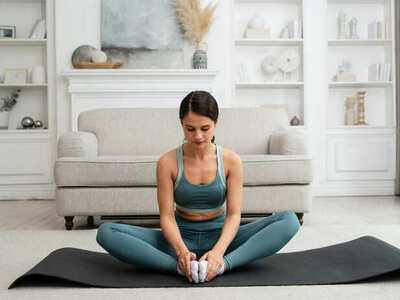 Butterfly Pose gently works the hips and encourages relaxed, controlled breathing
Butterfly Pose, or Baddha Konasana, is an easy starting point for a PCOS yoga routine. Sit comfortably, bring the soles of your feet together and allow your knees to move gently towards the floor without forcing them. Keep your back comfortable and breathe slowly. Stay in the position for around 30 seconds to a minute, depending on your comfort. The pose does not directly “fix” hormonal imbalance, but it can add gentle movement and relaxation to your routine. Pairing yoga with regular physical activity, healthy eating and medical care is more useful than relying on one pose alone.
Try Cat-Cow Movement
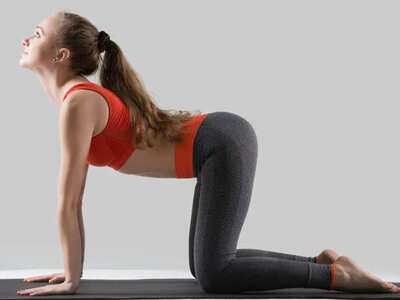 Cat-Cow combines gentle spinal movement with slow, controlled breathing.
Cat-Cow, or Marjaryasana-Bitilasana, is a simple movement that can make a yoga session feel less rigid. Start on your hands and knees, then gently round your back as you exhale and move into a comfortable arch as you inhale. Keep the movement slow instead of forcing your spine into a deep position. For women looking for yoga poses for PCOS, this can be a practical way to begin a short home session. The main benefit is adding manageable movement to your day, while the breathing pattern can also make the practice feel calming.
Add Child's PoseChild's Pose, or Balasana, is useful when you want a slower part of your PCOS yoga exercises. Kneel on the mat, sit your hips back towards your heels and gently lower your upper body forward. Extend your arms or keep them beside your body, whichever feels comfortable. Take several slow breaths and avoid forcing your hips or knees. Yoga research in PCOS has explored both physical postures and breathing practices, with some studies reporting improvements in psychological and metabolic outcomes, although researchers say more high-quality evidence is needed.
Practice Bridge PoseBridge Pose, or Setu Bandhasana, adds a little more active movement to a beginner-friendly PCOS workout at home. Lie on your back with your knees bent and feet comfortably placed on the mat. Press through your feet and gently lift your hips while keeping the movement controlled. Hold for a few breaths, then slowly lower yourself. Stop if you feel pain or discomfort. The goal is not to force a particular hormonal response from the pose. Instead, use it as one part of a broader exercise routine that supports general fitness and metabolic health.
Finish With Legs Up the WallLegs Up the Wall, commonly called Viparita Karani, can be a relaxing way to finish your routine. Sit sideways near a wall, carefully turn onto your back and extend your legs upward against the wall. Keep your body relaxed and breathe slowly for a few minutes. This pose should not be presented as a treatment for PCOS or as a way to “balance hormones” on its own. Instead, it can help you end a PCOS yoga routine calmly. Choose a position that feels comfortable and come out slowly, particularly if you feel dizzy.
Make Yoga Part of a Bigger PlanThese yoga poses for PCOS can make movement feel accessible, but they are only one piece of the picture. International PCOS guidance recommends healthy lifestyle habits and physical activity for all women with PCOS, with exercise supporting metabolic health and overall quality of life. Current evidence does not show that one specific exercise style is universally best for PCOS. If you have PCOS, build a routine you can maintain, whether that includes yoga, walking, aerobic exercise, strength training or a combination. If symptoms are troublesome, discuss them with a healthcare professional rather than trying to manage them through yoga alone.
Discover expert advice and the latest updates in Skin Care, Hair Care, Wellness, Dermatology, and more at Stay Young guide to lasting beauty and holistic health!
Start With Butterfly Pose
Butterfly Pose, or Baddha Konasana, is an easy starting point for a PCOS yoga routine. Sit comfortably, bring the soles of your feet together and allow your knees to move gently towards the floor without forcing them. Keep your back comfortable and breathe slowly. Stay in the position for around 30 seconds to a minute, depending on your comfort. The pose does not directly “fix” hormonal imbalance, but it can add gentle movement and relaxation to your routine. Pairing yoga with regular physical activity, healthy eating and medical care is more useful than relying on one pose alone.
Try Cat-Cow Movement
Cat-Cow, or Marjaryasana-Bitilasana, is a simple movement that can make a yoga session feel less rigid. Start on your hands and knees, then gently round your back as you exhale and move into a comfortable arch as you inhale. Keep the movement slow instead of forcing your spine into a deep position. For women looking for yoga poses for PCOS, this can be a practical way to begin a short home session. The main benefit is adding manageable movement to your day, while the breathing pattern can also make the practice feel calming.
Add Child's PoseChild's Pose, or Balasana, is useful when you want a slower part of your PCOS yoga exercises. Kneel on the mat, sit your hips back towards your heels and gently lower your upper body forward. Extend your arms or keep them beside your body, whichever feels comfortable. Take several slow breaths and avoid forcing your hips or knees. Yoga research in PCOS has explored both physical postures and breathing practices, with some studies reporting improvements in psychological and metabolic outcomes, although researchers say more high-quality evidence is needed.
Practice Bridge PoseBridge Pose, or Setu Bandhasana, adds a little more active movement to a beginner-friendly PCOS workout at home. Lie on your back with your knees bent and feet comfortably placed on the mat. Press through your feet and gently lift your hips while keeping the movement controlled. Hold for a few breaths, then slowly lower yourself. Stop if you feel pain or discomfort. The goal is not to force a particular hormonal response from the pose. Instead, use it as one part of a broader exercise routine that supports general fitness and metabolic health.
Finish With Legs Up the WallLegs Up the Wall, commonly called Viparita Karani, can be a relaxing way to finish your routine. Sit sideways near a wall, carefully turn onto your back and extend your legs upward against the wall. Keep your body relaxed and breathe slowly for a few minutes. This pose should not be presented as a treatment for PCOS or as a way to “balance hormones” on its own. Instead, it can help you end a PCOS yoga routine calmly. Choose a position that feels comfortable and come out slowly, particularly if you feel dizzy.
Make Yoga Part of a Bigger PlanThese yoga poses for PCOS can make movement feel accessible, but they are only one piece of the picture. International PCOS guidance recommends healthy lifestyle habits and physical activity for all women with PCOS, with exercise supporting metabolic health and overall quality of life. Current evidence does not show that one specific exercise style is universally best for PCOS. If you have PCOS, build a routine you can maintain, whether that includes yoga, walking, aerobic exercise, strength training or a combination. If symptoms are troublesome, discuss them with a healthcare professional rather than trying to manage them through yoga alone.
Discover expert advice and the latest updates in Skin Care, Hair Care, Wellness, Dermatology, and more at Stay Young guide to lasting beauty and holistic health!
Next Story