
6 Ancient Indian Foods That Have Survived for Centuries

Some recipes disappear within a generation. Others survive for centuries, changing gradually while retaining the basic idea that made them successful in the first place. India has an extraordinary collection of these culinary survivors. Khichdi , dosa , idli , payasam , puttu and appam all have histories stretching far beyond the modern restaurant era. Their stories reveal something fascinating about Indian food: ancient cooking traditions were not frozen in time. They adapted to new ingredients, regional tastes and changing lifestyles while remaining recognisable on today's plates.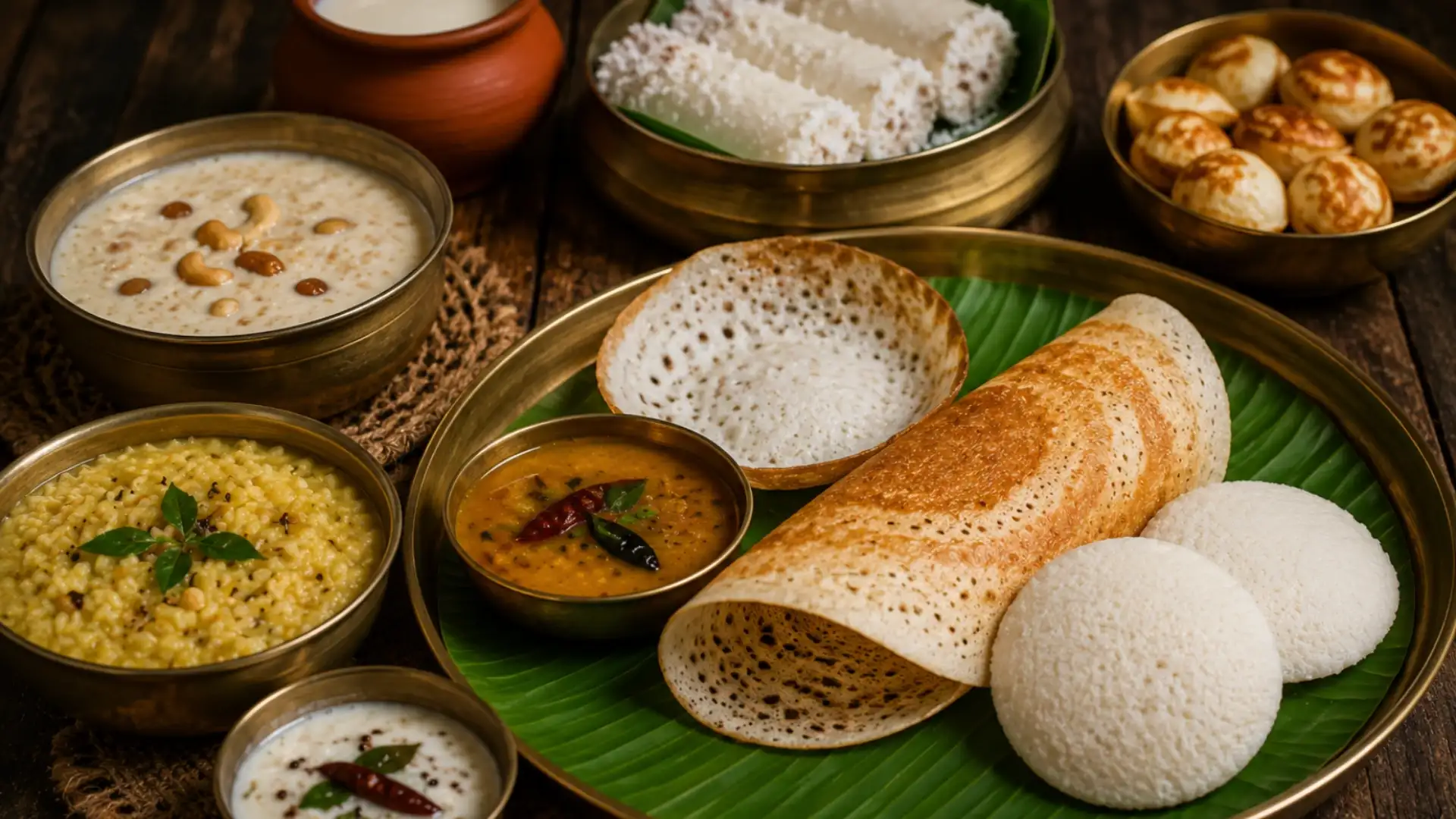
Today, the basic preparation can be transformed with vegetables, spices, ghee or different grains depending on the region. Its endurance comes partly from its practicality. It is easy to digest, economical and suitable for everyday meals.
Fermentation itself is one of the most interesting elements. It changes texture and flavour while making the batter suitable for steaming or cooking on a hot surface.
Their survival is a reminder that traditional cooking does not necessarily depend on elaborate equipment. Rice, coconut, lentils, milk, jaggery and basic cooking vessels have been enough to create dishes that continue to thrive.
There is also a lesson for modern food culture. At a time when people search for ancient grains and traditional methods, many of the answers are already present in India's kitchens.
The remarkable thing about these dishes is not simply that they are old. It is that they have remained useful. A recipe survives for centuries when each generation finds a reason to keep making it.
Khichdi and the Power of Simplicity
Few dishes demonstrate continuity better than khichdi. Combining rice and lentils, it is inexpensive, nourishing and remarkably adaptable. Historical references place similar rice-and-pulse preparations deep in India's culinary past, with food historians connecting khichdi to early Sanskrit literature and the Mauryan period.Today, the basic preparation can be transformed with vegetables, spices, ghee or different grains depending on the region. Its endurance comes partly from its practicality. It is easy to digest, economical and suitable for everyday meals.
Dosa and Idli Have Long Histories
Dosa's history is particularly intriguing. The Indian Express recently highlighted research and historical discussion surrounding references to dosa dating to around the eighth century. Idli also has a long culinary history, with references and evidence suggesting that fermented rice-and-lentil preparations have been part of South Indian food traditions for many centuries.Fermentation itself is one of the most interesting elements. It changes texture and flavour while making the batter suitable for steaming or cooking on a hot surface.
You may also like
- A town in the Netherlands will not let you live there unless you grow food on at least half of your land
- From beauty to self-care: Cosmetics are becoming everyday essentials
- Four things every diner should check before ordering food
- In Pune's Camp area, Solanki Booksellers has become an iconic landmark for bibliophiles
- Hip-hop artiste Addy TPC on Blitz 26: Consistency has become my biggest creative statement
Payasam, Puttu and Appam
Ancient food traditions are also visible in sweets and steamed dishes. Payasam has historical associations with Sanskrit literature and temple traditions, while puttu and appam remain familiar foods in Kerala and other parts of southern India.Their survival is a reminder that traditional cooking does not necessarily depend on elaborate equipment. Rice, coconut, lentils, milk, jaggery and basic cooking vessels have been enough to create dishes that continue to thrive.
Why Ancient Foods Still Matter
These dishes are more than edible history. They show how Indian households have long understood fermentation, balanced grains and pulses, seasonal ingredients and economical cooking.There is also a lesson for modern food culture. At a time when people search for ancient grains and traditional methods, many of the answers are already present in India's kitchens.
The remarkable thing about these dishes is not simply that they are old. It is that they have remained useful. A recipe survives for centuries when each generation finds a reason to keep making it.






Loving Newspoint? Download the app now
