
6 Everyday Foods That Can Help You Add More Fibre to Your Diet

Fibre is an essential part of a healthy diet, but it is something many people tend to overlook. While most of us pay attention to protein, vitamins and minerals, getting enough dietary fibre is equally important for maintaining good health. From supporting digestion and preventing constipation to helping regulate blood sugar levels and keeping you full for longer, fibre plays several important roles in the body.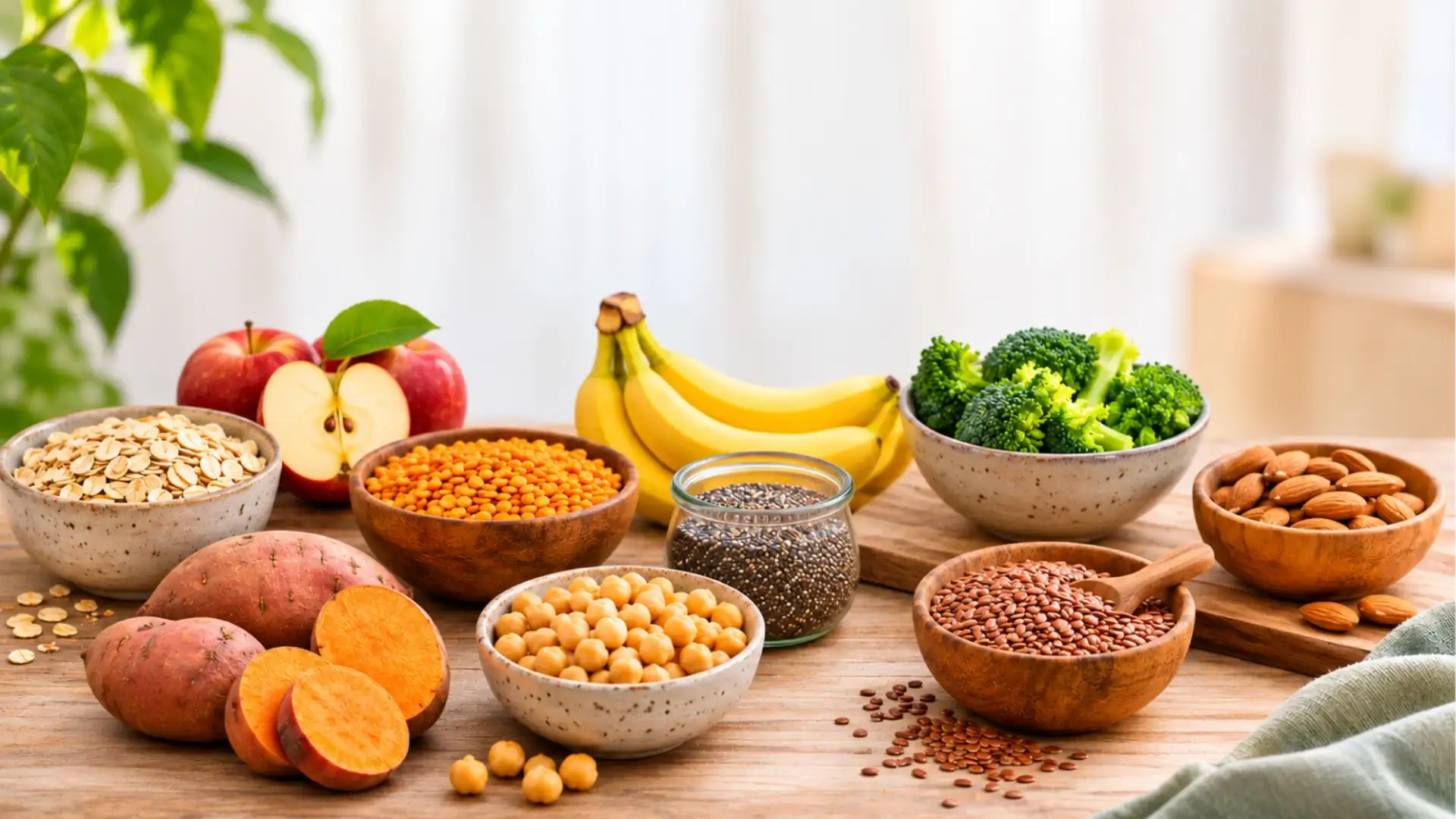
The good news is that increasing your daily fibre intake does not necessarily mean making drastic changes to your meals. Several everyday foods, including fruits, vegetables, whole grains, nuts and seeds, are naturally rich in fibre and can easily become part of your regular diet.
If you are looking for simple ways to improve your digestive health and eat a more balanced diet, here are 10 everyday foods that can help you increase your fibre intake.
A bowl of oatmeal in the morning can keep you feeling full for longer and provide a nutritious start to your day. You can also add fruits, nuts, chia seeds or flaxseeds to your oats to increase their fibre content.
Whether you prefer overnight oats, porridge or homemade oat pancakes, this versatile grain is an easy addition to a fibre-rich diet.
They contain pectin, a type of soluble fibre that supports gut health and helps regulate digestion. Eating whole apples can also help you feel satisfied between meals, making them a convenient snack.
You can enjoy apples on their own, add sliced pieces to your breakfast cereal or combine them with yoghurt for a quick and nutritious snack.
Adding dal to your everyday meals can support healthy digestion and help you feel full for longer. Lentils also contain soluble and insoluble fibre, both of which contribute to digestive health.
You can include lentils in your diet through traditional dal, khichdi, lentil soups, salads and homemade cheela. Since they are already a regular part of many Indian meals, increasing your intake can be fairly simple.
The fibre in bananas helps support regular bowel movements, while their natural sweetness makes them an easy alternative to processed sugary snacks.
You can eat a banana as a mid-morning snack, add it to smoothies or slice it over your breakfast oats. They are also easy to carry, making them a practical option for people with busy schedules.
This property helps add bulk to your diet and can support digestive regularity. Chia seeds also contain plant-based omega-3 fatty acids and other nutrients.
You can add a spoonful of chia seeds to smoothies, yoghurt, oatmeal or homemade drinks. Another popular option is chia pudding, which can be prepared by soaking the seeds in milk or a plant-based alternative for a few hours.
Remember to consume chia seeds with adequate fluids, as they absorb a considerable amount of water.
Its fibre content helps support digestion and promotes a feeling of fullness. Broccoli also contains antioxidants that contribute to overall health.
You can enjoy broccoli steamed, roasted, sautéed or added to soups, salads and stir-fries. Including it in your lunch or dinner is a simple way to make your meals more nutritious.
The good news is that increasing your daily fibre intake does not necessarily mean making drastic changes to your meals. Several everyday foods, including fruits, vegetables, whole grains, nuts and seeds, are naturally rich in fibre and can easily become part of your regular diet.
If you are looking for simple ways to improve your digestive health and eat a more balanced diet, here are 10 everyday foods that can help you increase your fibre intake.
1. Oats
Oats are one of the easiest ways to add more fibre to your breakfast. They contain beta-glucan, a type of soluble fibre that helps support digestive health and can contribute to maintaining healthy cholesterol levels.A bowl of oatmeal in the morning can keep you feeling full for longer and provide a nutritious start to your day. You can also add fruits, nuts, chia seeds or flaxseeds to your oats to increase their fibre content.
Whether you prefer overnight oats, porridge or homemade oat pancakes, this versatile grain is an easy addition to a fibre-rich diet.
2. Apples
An apple a day can do more than simply satisfy your sweet cravings. Apples are a good source of dietary fibre, particularly when eaten with their skin, which contains a significant portion of their fibre content.They contain pectin, a type of soluble fibre that supports gut health and helps regulate digestion. Eating whole apples can also help you feel satisfied between meals, making them a convenient snack.
You can enjoy apples on their own, add sliced pieces to your breakfast cereal or combine them with yoghurt for a quick and nutritious snack.
3. Lentils and Dal
Lentils are a staple in Indian households and are among the easiest ways to increase your daily fibre intake. Varieties such as masoor dal, moong dal, chana dal and urad dal provide both dietary fibre and plant-based protein.Adding dal to your everyday meals can support healthy digestion and help you feel full for longer. Lentils also contain soluble and insoluble fibre, both of which contribute to digestive health.
You can include lentils in your diet through traditional dal, khichdi, lentil soups, salads and homemade cheela. Since they are already a regular part of many Indian meals, increasing your intake can be fairly simple.
4. Bananas
Bananas are another convenient fruit that can help you add more fibre to your daily diet. They contain dietary fibre, including resistant starch in firmer, less-ripe bananas, which can support gut health.The fibre in bananas helps support regular bowel movements, while their natural sweetness makes them an easy alternative to processed sugary snacks.
You can eat a banana as a mid-morning snack, add it to smoothies or slice it over your breakfast oats. They are also easy to carry, making them a practical option for people with busy schedules.
5. Chia Seeds
Despite their small size, chia seeds are packed with dietary fibre. They are particularly rich in soluble fibre, which absorbs water and forms a gel-like consistency when soaked.This property helps add bulk to your diet and can support digestive regularity. Chia seeds also contain plant-based omega-3 fatty acids and other nutrients.
You can add a spoonful of chia seeds to smoothies, yoghurt, oatmeal or homemade drinks. Another popular option is chia pudding, which can be prepared by soaking the seeds in milk or a plant-based alternative for a few hours.
Remember to consume chia seeds with adequate fluids, as they absorb a considerable amount of water.
6. Broccoli
If you are trying to eat more vegetables, broccoli is a great addition to your meals. This nutrient-rich vegetable contains dietary fibre along with vitamins C and K, folate and other beneficial plant compounds.Its fibre content helps support digestion and promotes a feeling of fullness. Broccoli also contains antioxidants that contribute to overall health.
You can enjoy broccoli steamed, roasted, sautéed or added to soups, salads and stir-fries. Including it in your lunch or dinner is a simple way to make your meals more nutritious.
Simple Tips to Increase Your Daily Fibre Intake
Adding fibre-rich foods to your diet does not have to be complicated. A few small changes to your everyday eating habits can help you gradually increase your fibre intake.- Choose whole grains: Replace refined grains with whole wheat bread, brown rice, oats and other whole-grain options.
- Eat whole fruits: Whenever possible, choose whole fruits instead of fruit juices to benefit from their natural fibre.
- Include vegetables in every meal: Add vegetables to your lunch and dinner through salads, sabzis, soups and other preparations.
- Add seeds and nuts: Include small portions of chia seeds, flaxseeds and almonds in your breakfast or snacks.
- Include legumes regularly: Make dal, beans and chickpeas a regular part of your meals.
- Drink enough water: Increase your fluid intake as you consume more fibre to help it move through your digestive system.
- Increase fibre gradually: Adding too much fibre suddenly can cause bloating, gas and abdominal discomfort. Increase your intake slowly to give your digestive system time to adjust.
Next Story