
6 Powerful Hormone-Balancing Foods for Optimal Endocrine Health

Hormones act as chemical messengers, regulating everything from metabolism and mood to reproduction and sleep. When hormones are imbalanced, it can lead to fatigue, weight gain, mood swings, and chronic health issues. While factors like stress, sleep, and genetics play a role, diet is one of the most effective ways to support hormonal balance naturally.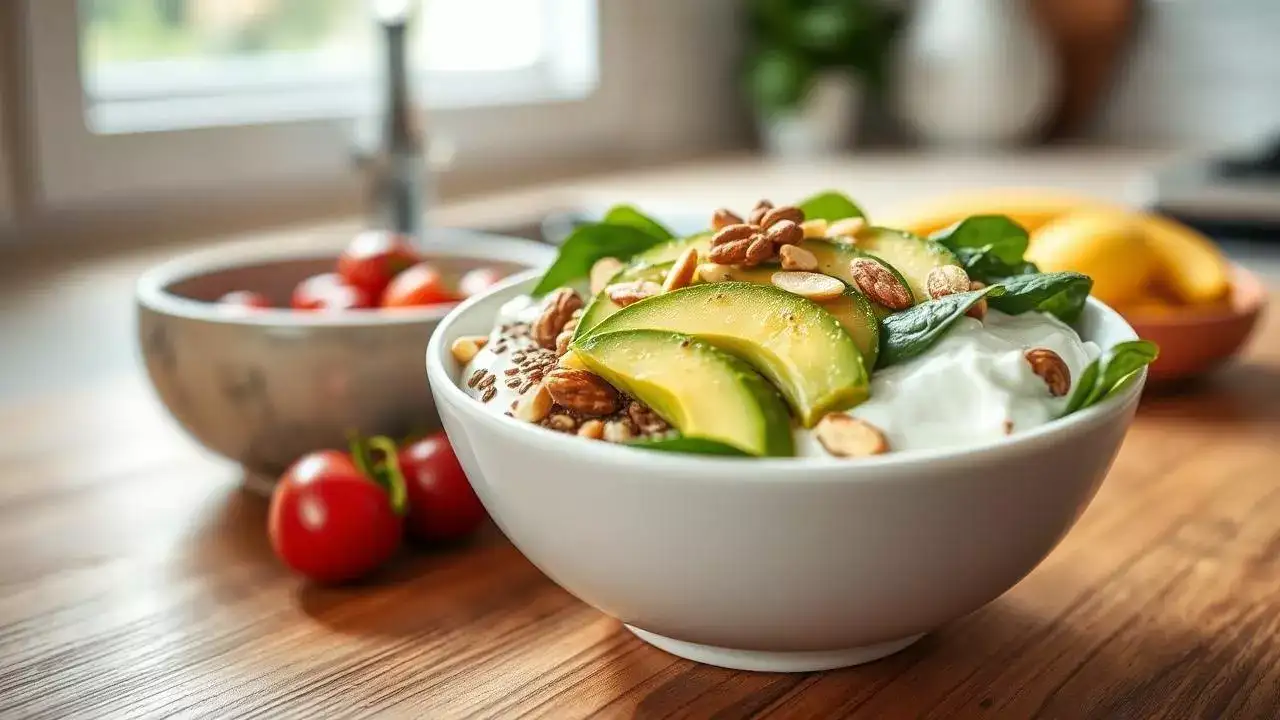
Certain foods contain key nutrients that help regulate insulin, cortisol, thyroid hormones, estrogen, and testosterone. By incorporating these six hormone-balancing foods into your diet, you can improve energy, stabilize mood, and enhance overall well-being.
1. Salmon – Rich in Omega-3s for Inflammation & Insulin Balance
Why It Helps:
Salmon is packed with omega-3 fatty acids (EPA and DHA), which reduce inflammation—a major disruptor of hormone balance. Chronic inflammation can lead to insulin resistance, thyroid dysfunction, and estrogen dominance. Omega-3s also support brain health, helping regulate stress hormones like cortisol.
Key Benefits:
How to Eat It:
2. Flaxseeds – A Fiber-Rich Phytoestrogen for Estrogen Balance
Why It Helps:
Flaxseeds contain lignans, a type of phytoestrogen that helps regulate estrogen levels. They are especially beneficial for women with PMS, PCOS, or menopause symptoms, as they prevent both estrogen excess and deficiency. Their high fiber content also aids in detoxifying excess hormones.
Key Benefits:
How to Eat It:
3. Brazil Nuts – Selenium Powerhouse for Thyroid Health
Why It Helps:
Just 1-2 Brazil nuts provide a full day’s worth of selenium, a mineral essential for thyroid hormone conversion (T4 to T3). Low selenium is linked to Hashimoto’s thyroiditis and sluggish metabolism. Selenium also supports fertility and testosterone production.
Key Benefits:
How to Eat It:
4. Avocados – Healthy Fats for Hormone Synthesis
Why It Helps:
Avocados are loaded with monounsaturated fats, which are the building blocks for hormone production. They also contain magnesium and fiber, helping regulate cortisol and insulin. Their anti-inflammatory properties support adrenal and reproductive health.
Key Benefits:
How to Eat It:
5. Greek Yogurt – Probiotics for Gut-Hormone Connection
Why It Helps:
The gut microbiome plays a crucial role in hormone detoxification, especially estrogen. Greek yogurt provides probiotics that improve gut health, preventing estrogen dominance. It’s also rich in protein and calcium, supporting metabolic and bone health.
Key Benefits:
How to Eat It:
6. Spinach – Magnesium & Iron for Stress & Thyroid Support
Why It Helps:
Spinach is rich in magnesium, which calms the nervous system and lowers cortisol. It also contains iron, crucial for thyroid function and preventing fatigue (common in hypothyroidism). The B vitamins in spinach support adrenal health.
Key Benefits:
How to Eat It:
Hormone imbalances don’t have to be a lifelong struggle. By incorporating these six powerful foods—salmon, flaxseeds, Brazil nuts, avocados, Greek yogurt, and spinach—you can naturally support your endocrine system. Combine them with adequate sleep, stress management, and regular exercise for optimal results.
Certain foods contain key nutrients that help regulate insulin, cortisol, thyroid hormones, estrogen, and testosterone. By incorporating these six hormone-balancing foods into your diet, you can improve energy, stabilize mood, and enhance overall well-being.
1. Salmon – Rich in Omega-3s for Inflammation & Insulin Balance
Why It Helps:
Salmon is packed with omega-3 fatty acids (EPA and DHA), which reduce inflammation—a major disruptor of hormone balance. Chronic inflammation can lead to insulin resistance, thyroid dysfunction, and estrogen dominance. Omega-3s also support brain health, helping regulate stress hormones like cortisol.
You may also like
- Weight Loss: Have you also cut down on food and drink to lose weight? Find out how effective this method is..
- 8th Pay Commission: Will OPS be restored or NPS continue? Unions insist on guaranteed pension
- DIY Rosemary Hair Spray for Healthy Hair Growth
- Alia Bhatt's Stunning Saree Styles for the Festive Season
- Stylish Outfit Inspirations for Dandiya Night 2026
Key Benefits:
- Improves insulin sensitivity, reducing diabetes risk.
- Lowers cortisol, aiding stress management.
- Supports thyroid function by reducing autoimmune flare-ups.
How to Eat It:
- Aim for wild-caught salmon 2-3 times per week.
- Try grilled salmon with leafy greens for a hormone-friendly meal.
2. Flaxseeds – A Fiber-Rich Phytoestrogen for Estrogen Balance
Why It Helps:
Flaxseeds contain lignans, a type of phytoestrogen that helps regulate estrogen levels. They are especially beneficial for women with PMS, PCOS, or menopause symptoms, as they prevent both estrogen excess and deficiency. Their high fiber content also aids in detoxifying excess hormones.
Key Benefits:
- Helps balance estrogen by modulating receptor activity.
- Supports gut health, crucial for hormone metabolism.
- Reduces breast cancer risk due to anti-estrogenic effects.
How to Eat It:
- Add 1-2 tbsp ground flaxseeds to smoothies, yogurt, or oatmeal.
- Avoid whole flaxseeds (they pass undigested).
3. Brazil Nuts – Selenium Powerhouse for Thyroid Health
Why It Helps:
Just 1-2 Brazil nuts provide a full day’s worth of selenium, a mineral essential for thyroid hormone conversion (T4 to T3). Low selenium is linked to Hashimoto’s thyroiditis and sluggish metabolism. Selenium also supports fertility and testosterone production.
Key Benefits:
- Boosts thyroid function, improving energy and metabolism.
- Protects against oxidative stress, which damages hormone-producing glands.
- Supports progesterone production in women.
How to Eat It:
- Eat 1-2 Brazil nuts daily (don’t overconsume—selenium is toxic in excess).
- Pair with vitamin E-rich foods (like almonds) for better absorption.
4. Avocados – Healthy Fats for Hormone Synthesis
Why It Helps:
Avocados are loaded with monounsaturated fats, which are the building blocks for hormone production. They also contain magnesium and fiber, helping regulate cortisol and insulin. Their anti-inflammatory properties support adrenal and reproductive health.
Key Benefits:
- Stabilizes blood sugar, preventing insulin spikes.
- Supports progesterone and testosterone production.
- Reduces cortisol, aiding stress resilience.
How to Eat It:
- Add avocado to salads, smoothies, or as a butter substitute.
- Pair with eggs for a hormone-balancing breakfast.
5. Greek Yogurt – Probiotics for Gut-Hormone Connection
Why It Helps:
The gut microbiome plays a crucial role in hormone detoxification, especially estrogen. Greek yogurt provides probiotics that improve gut health, preventing estrogen dominance. It’s also rich in protein and calcium, supporting metabolic and bone health.
Key Benefits:
- Enhances estrogen metabolism, reducing PMS and menopause symptoms.
- Improves insulin sensitivity, aiding weight management.
- Supports mood regulation via the gut-brain axis.
How to Eat It:
- Choose plain, unsweetened Greek yogurt to avoid added sugars.
- Top with berries and flaxseeds for extra hormone benefits.
6. Spinach – Magnesium & Iron for Stress & Thyroid Support
Why It Helps:
Spinach is rich in magnesium, which calms the nervous system and lowers cortisol. It also contains iron, crucial for thyroid function and preventing fatigue (common in hypothyroidism). The B vitamins in spinach support adrenal health.
Key Benefits:
- Reduces stress and anxiety by regulating cortisol.
- Prevents thyroid fatigue by supporting iron levels.
- Aids liver detoxification, helping clear excess hormones.
How to Eat It:
- Add to smoothies, salads, or sauté with olive oil.
- Pair with vitamin C (lemon juice) for better iron absorption.
Hormone imbalances don’t have to be a lifelong struggle. By incorporating these six powerful foods—salmon, flaxseeds, Brazil nuts, avocados, Greek yogurt, and spinach—you can naturally support your endocrine system. Combine them with adequate sleep, stress management, and regular exercise for optimal results.






Loving Newspoint? Download the app now
