
6 Surprising Facts About Bangkok Every Traveller Should Know

Bangkok, Thailand’s bustling capital, is often labelled a street food paradise, shopping haven, or party hotspot. But behind the tuk-tuks and neon lights lies a city rich in history, culture, and everyday quirks. From centuries-old traditions to quirky local customs, Bangkok is full of hidden stories that make it much more than a tourist destination. Here are six surprising facts that reveal the city’s unique character.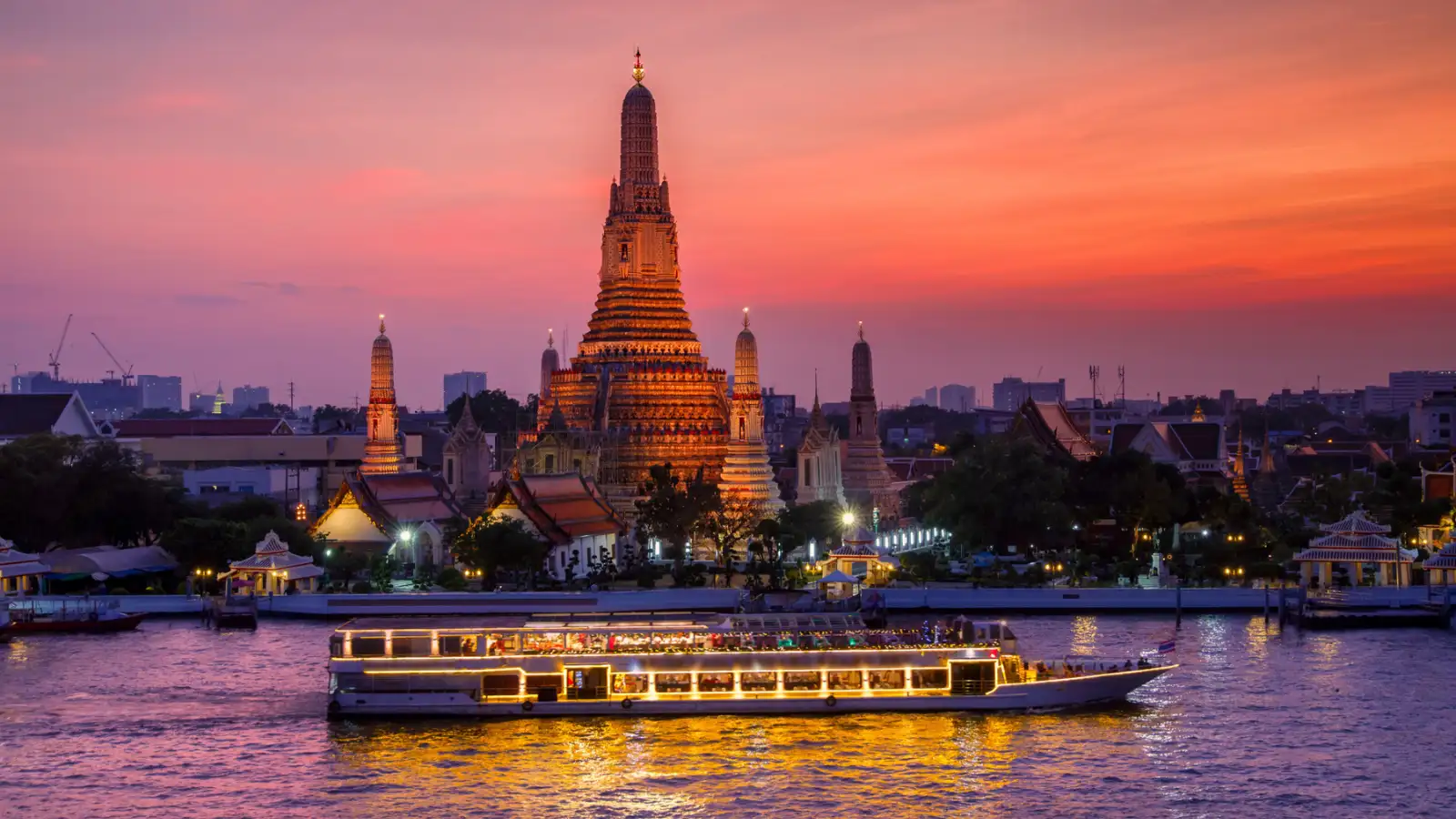
1. Locals Don’t Actually Call It Bangkok
While tourists know it as Bangkok, locals refer to the city as Krung Thep , short for Krung Thep Maha Nakhon—the world’s longest city name. Rooted in Sanskrit and Pali, it describes the city as a divine capital protected by sacred beings. “Bangkok” likely comes from a small village name meaning “village of olive plums,” showing how layered the city’s identity truly is.
2. Built Around Water, Not Roads
Before traffic jams and highways, Bangkok thrived on canals called khlongs, earning it the nickname “Venice of the East.” These waterways served as transport routes, markets, and residential areas. While many were later filled in for roads, floating markets and canal homes still reflect the city’s watery past.
3. Street Food is Cultural, Not Casual
Bangkok’s street food isn’t just affordable, it’s a cultural institution. Many vendors specialise in one dish perfected over generations, some even recognised by Michelin. From boat noodles to mango sticky rice, street food here follows traditional methods and is deeply respected.
4. Strict Social Rules Often Overlooked
Bangkok appears relaxed, but social etiquette is strict. Public criticism of the monarchy is illegal, and gestures like pointing feet at Buddha images are considered disrespectful. Understanding these rules helps travellers experience the city respectfully and safely.
5. One of the World’s Most Visited Cities
Bangkok consistently ranks among the top global destinations, attracting millions for its food, shopping, and culture. Despite this, many neighbourhoods remain primarily local, offering authentic experiences beyond tourism.
6. Temples and Nightlife Coexist
In Bangkok, ancient temples sit beside neon-lit bars. Monks walk past shopping malls, and night markets operate near sacred spaces. This harmonious coexistence of tradition and modernity is a defining feature of the city.
Best Time to Visit Bangkok
Tips for First-Time Visitors
Use BTS Skytrain, MRT Subway, or river ferries to avoid traffic. Respect local customs, dress modestly at temples, and always carry some Thai Baht for markets and street food. Plan a 3–5 day stay to explore major attractions like the Grand Palace, Wat Pho, and floating markets.
Bangkok is more than it seems, a city where history, culture, and modern life blend in ways that will surprise every traveller.
1. Locals Don’t Actually Call It Bangkok
While tourists know it as Bangkok, locals refer to the city as Krung Thep , short for Krung Thep Maha Nakhon—the world’s longest city name. Rooted in Sanskrit and Pali, it describes the city as a divine capital protected by sacred beings. “Bangkok” likely comes from a small village name meaning “village of olive plums,” showing how layered the city’s identity truly is. 2. Built Around Water, Not Roads
Before traffic jams and highways, Bangkok thrived on canals called khlongs, earning it the nickname “Venice of the East.” These waterways served as transport routes, markets, and residential areas. While many were later filled in for roads, floating markets and canal homes still reflect the city’s watery past.3. Street Food is Cultural, Not Casual
Bangkok’s street food isn’t just affordable, it’s a cultural institution. Many vendors specialise in one dish perfected over generations, some even recognised by Michelin. From boat noodles to mango sticky rice, street food here follows traditional methods and is deeply respected. 4. Strict Social Rules Often Overlooked
Bangkok appears relaxed, but social etiquette is strict. Public criticism of the monarchy is illegal, and gestures like pointing feet at Buddha images are considered disrespectful. Understanding these rules helps travellers experience the city respectfully and safely.5. One of the World’s Most Visited Cities
Bangkok consistently ranks among the top global destinations, attracting millions for its food, shopping, and culture. Despite this, many neighbourhoods remain primarily local, offering authentic experiences beyond tourism. 6. Temples and Nightlife Coexist
In Bangkok, ancient temples sit beside neon-lit bars. Monks walk past shopping malls, and night markets operate near sacred spaces. This harmonious coexistence of tradition and modernity is a defining feature of the city. Best Time to Visit Bangkok
- November to February: Cool, dry, ideal for sightseeing.
- March to May: Hot and humid, great for festivals like Songkran.
- June to October: Rainy season, fewer crowds, budget-friendly.
Tips for First-Time Visitors
Use BTS Skytrain, MRT Subway, or river ferries to avoid traffic. Respect local customs, dress modestly at temples, and always carry some Thai Baht for markets and street food. Plan a 3–5 day stay to explore major attractions like the Grand Palace, Wat Pho, and floating markets. Bangkok is more than it seems, a city where history, culture, and modern life blend in ways that will surprise every traveller.
Next Story