
6 “Unhealthy” Foods That Are Actually Good for You


Potatoes are called fattening. Canned fish is labelled “processed.” Popcorn is treated like junk food, while coffee often gets blamed for every diet mistake. But the food itself is not always the problem. How it is prepared, what is added to it and how much you eat can completely change the picture.
Several everyday foods that have earned an unhealthy reputation can actually provide fibre, protein, vitamins, minerals and beneficial plant compounds. The surprising part is that you may already have some of these foods sitting in your kitchen.
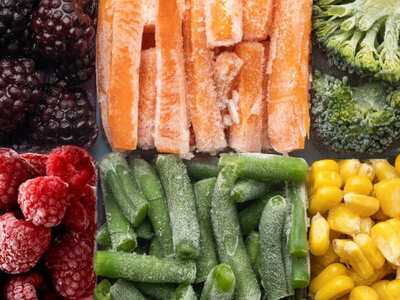
Frozen Vegetables Keep Their Nutrients
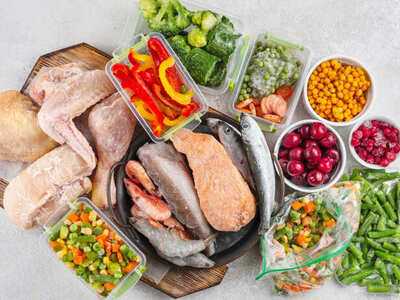 Potatoes are called fattening. Canned fish is labelled “processed.”
Fresh vegetables may look like the obvious winner, but frozen produce should not be dismissed. Vegetables are often frozen soon after harvesting, which can help preserve many nutrients. Research comparing fresh and frozen produce has found that nutritional differences vary by the food, storage time and cooking method. Frozen broccoli, peas, spinach, carrots and green beans can therefore be practical choices when fresh produce is expensive or unavailable. Choose plain frozen vegetables rather than versions loaded with creamy sauces, excess salt or added ingredients. A bag from the freezer can still be an easy way to add vegetables to everyday meals.
Canned Fish Is More Than “Processed”
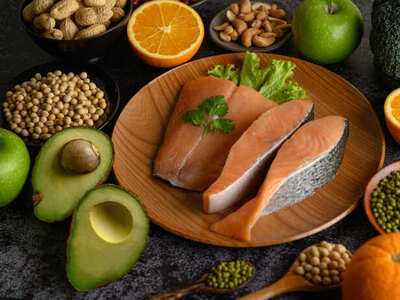 Sardines, salmon and mackerel provide protein and nutrients including omega-3 fatty acids.
Seeing the word “canned” on fish can make it seem less nutritious, but the story is more complicated. Canned sardines, salmon and mackerel can provide high-quality protein, omega-3 fatty acids, vitamin B12, vitamin D and selenium. Canning also makes fish affordable and convenient, especially when fresh seafood is not easily available. The important part is checking the label. Some products can contain considerable amounts of sodium or added sauces. Choosing simpler varieties and watching portion sizes can make canned fish a useful addition to salads, sandwiches, rice dishes or quick meals without sacrificing nutritional value.
Coffee Has a Healthier SideCoffee is often judged by its caffeine, but the drink contains more than just a stimulant. Coffee provides several bioactive compounds, including antioxidants, and research has linked moderate consumption with several potential health benefits. However, that does not make every coffee drink healthy. Large amounts of sugar, cream or flavoured syrups can turn a simple beverage into a high-calorie treat. Caffeine can also cause sleep problems, anxiety or palpitations in some people. For many healthy adults, moderate coffee consumption can fit comfortably into a balanced diet. Your individual tolerance matters more than treating coffee as automatically good or bad.
Potatoes Are Not the EnemyPotatoes often get blamed because they are rich in carbohydrates and are frequently served as fries or chips. But a plain potato is very different from a deep-fried version. Potatoes provide potassium, vitamin C, vitamin B6 and other nutrients, while their carbohydrate content can provide useful energy. Baking, boiling or steaming keeps preparation relatively simple. The toppings matter too. Loading a potato with large amounts of butter, cheese and processed meat changes its nutritional profile. Pairing a cooked potato with vegetables and a protein source can create a filling meal that has far more nutritional value than its “unhealthy” reputation suggests.
Soy Foods Deserve a Fair LookSoy has spent years surrounded by confusing claims, particularly about hormones. But foods such as tofu, tempeh, edamame and unsweetened soy milk can be nutritious sources of plant protein. Soy also contains isoflavones, naturally occurring compounds that have been studied for their potential health effects. Evidence does not support the idea that normal consumption of traditional soy foods automatically causes harmful hormonal changes in healthy people. The bigger distinction is between minimally processed soy foods and heavily processed products with lots of added sugar, salt or saturated fat. Adding tofu to stir-fries or edamame to salads can be an easy way to increase plant protein.
Plain Popcorn Is a Whole GrainThe popcorn at a cinema and a bowl of plain air-popped popcorn are not nutritionally identical. Popcorn itself is a whole grain and provides dietary fibre, which supports digestion and can contribute to fullness. The problem usually begins with large amounts of butter, salt, sugar or other toppings. Air-popped popcorn seasoned lightly with herbs or spices can be a simple snack. It can also be more satisfying than highly refined snack foods because of its whole-grain and fibre content. So the next time popcorn gets labelled as junk food, look at what is actually in the bowl before judging the food itself.
The Real Problem Is Often the PreparationA potato is not the same as a plate of fries. Plain popcorn is not the same as caramel-coated popcorn. Canned fish in a simple preparation is different from a heavily salted, sauce-filled product. This is where many food labels become misleading. Instead of asking whether a food is “healthy” or “unhealthy,” look at its ingredients, preparation, portion size and place in your overall diet. Choose minimally processed versions when possible, add vegetables and protein to meals, and keep foods high in added sugar, sodium and unhealthy fats in moderation. That approach leaves more room for variety without unnecessary food guilt.
Discover expert advice and the latest updates in Skin Care, Hair Care, Wellness, Dermatology, and more at Stay Young guide to lasting beauty and holistic health!
Several everyday foods that have earned an unhealthy reputation can actually provide fibre, protein, vitamins, minerals and beneficial plant compounds. The surprising part is that you may already have some of these foods sitting in your kitchen.
Frozen Vegetables Keep Their Nutrients
Fresh vegetables may look like the obvious winner, but frozen produce should not be dismissed. Vegetables are often frozen soon after harvesting, which can help preserve many nutrients. Research comparing fresh and frozen produce has found that nutritional differences vary by the food, storage time and cooking method. Frozen broccoli, peas, spinach, carrots and green beans can therefore be practical choices when fresh produce is expensive or unavailable. Choose plain frozen vegetables rather than versions loaded with creamy sauces, excess salt or added ingredients. A bag from the freezer can still be an easy way to add vegetables to everyday meals.
Canned Fish Is More Than “Processed”
Seeing the word “canned” on fish can make it seem less nutritious, but the story is more complicated. Canned sardines, salmon and mackerel can provide high-quality protein, omega-3 fatty acids, vitamin B12, vitamin D and selenium. Canning also makes fish affordable and convenient, especially when fresh seafood is not easily available. The important part is checking the label. Some products can contain considerable amounts of sodium or added sauces. Choosing simpler varieties and watching portion sizes can make canned fish a useful addition to salads, sandwiches, rice dishes or quick meals without sacrificing nutritional value.
Coffee Has a Healthier SideCoffee is often judged by its caffeine, but the drink contains more than just a stimulant. Coffee provides several bioactive compounds, including antioxidants, and research has linked moderate consumption with several potential health benefits. However, that does not make every coffee drink healthy. Large amounts of sugar, cream or flavoured syrups can turn a simple beverage into a high-calorie treat. Caffeine can also cause sleep problems, anxiety or palpitations in some people. For many healthy adults, moderate coffee consumption can fit comfortably into a balanced diet. Your individual tolerance matters more than treating coffee as automatically good or bad.
Potatoes Are Not the EnemyPotatoes often get blamed because they are rich in carbohydrates and are frequently served as fries or chips. But a plain potato is very different from a deep-fried version. Potatoes provide potassium, vitamin C, vitamin B6 and other nutrients, while their carbohydrate content can provide useful energy. Baking, boiling or steaming keeps preparation relatively simple. The toppings matter too. Loading a potato with large amounts of butter, cheese and processed meat changes its nutritional profile. Pairing a cooked potato with vegetables and a protein source can create a filling meal that has far more nutritional value than its “unhealthy” reputation suggests.
Soy Foods Deserve a Fair LookSoy has spent years surrounded by confusing claims, particularly about hormones. But foods such as tofu, tempeh, edamame and unsweetened soy milk can be nutritious sources of plant protein. Soy also contains isoflavones, naturally occurring compounds that have been studied for their potential health effects. Evidence does not support the idea that normal consumption of traditional soy foods automatically causes harmful hormonal changes in healthy people. The bigger distinction is between minimally processed soy foods and heavily processed products with lots of added sugar, salt or saturated fat. Adding tofu to stir-fries or edamame to salads can be an easy way to increase plant protein.
Plain Popcorn Is a Whole GrainThe popcorn at a cinema and a bowl of plain air-popped popcorn are not nutritionally identical. Popcorn itself is a whole grain and provides dietary fibre, which supports digestion and can contribute to fullness. The problem usually begins with large amounts of butter, salt, sugar or other toppings. Air-popped popcorn seasoned lightly with herbs or spices can be a simple snack. It can also be more satisfying than highly refined snack foods because of its whole-grain and fibre content. So the next time popcorn gets labelled as junk food, look at what is actually in the bowl before judging the food itself.
The Real Problem Is Often the PreparationA potato is not the same as a plate of fries. Plain popcorn is not the same as caramel-coated popcorn. Canned fish in a simple preparation is different from a heavily salted, sauce-filled product. This is where many food labels become misleading. Instead of asking whether a food is “healthy” or “unhealthy,” look at its ingredients, preparation, portion size and place in your overall diet. Choose minimally processed versions when possible, add vegetables and protein to meals, and keep foods high in added sugar, sodium and unhealthy fats in moderation. That approach leaves more room for variety without unnecessary food guilt.
Discover expert advice and the latest updates in Skin Care, Hair Care, Wellness, Dermatology, and more at Stay Young guide to lasting beauty and holistic health!
Next Story