
7 Animals That Have Surprisingly Good Memories

When we think about memory, humans are usually the first species that comes to mind. We remember faces, places, conversations and events from years ago. But the animal kingdom has plenty of impressive examples of memory too.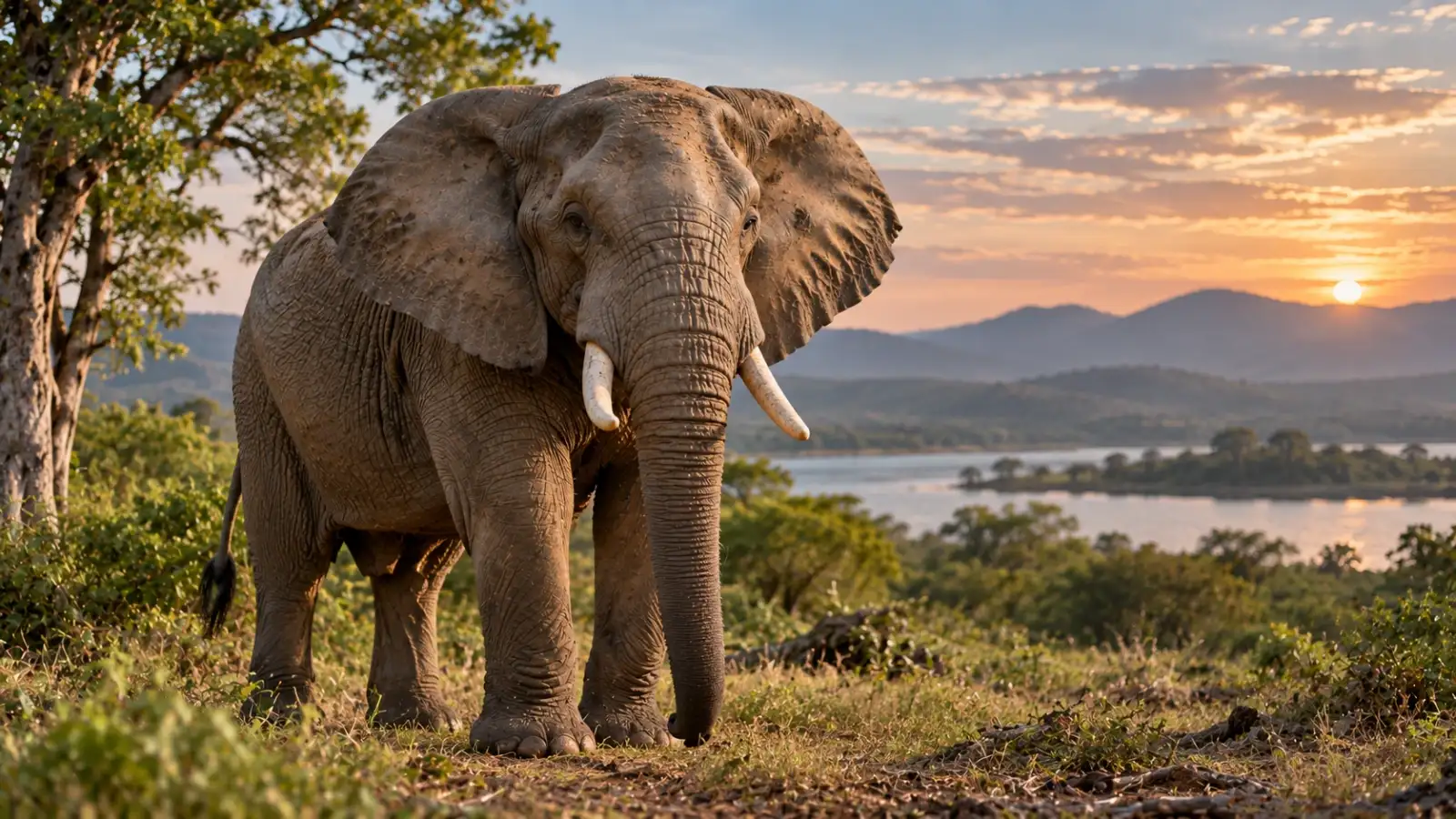
Many animals can recognise individuals, remember locations, learn complicated tasks and even recall useful information long after an experience has passed. For some species, a good memory can mean finding food, avoiding danger, returning to a familiar place or maintaining social relationships.
Here are seven animals whose memory abilities may surprise you.
Older elephants, particularly experienced females in family groups, can remember important water sources and feeding areas. This knowledge can become extremely valuable during difficult periods when food and water are harder to find.
Elephants can also recognise other elephants and distinguish familiar individuals from strangers. Their strong social relationships mean that remembering family members and former companions can be important throughout their lives.
Their memory is therefore not simply about recognising a familiar face. It can help them navigate their environment and make decisions that affect the whole group.
Research has found that dolphins can remember the unique sounds associated with other dolphins. Their signature whistles act somewhat like individual identity signals, allowing dolphins to recognise one another.
One particularly interesting finding is that dolphins have shown long-term recognition of familiar individuals even after long periods apart. This suggests that their social memories can last for many years.
Their ability to remember individuals may be especially useful because dolphin societies can be complicated, with animals forming changing relationships and groups.
Studies have shown that chimpanzees can remember the locations of objects and recognise familiar individuals. Some experiments involving numbers have also demonstrated remarkable short-term visual memory abilities in certain chimpanzees.
Their memory is useful in everyday life too. Chimpanzees need to remember where food can be found, recognise members of their social group and learn behaviours by observing others.
Young chimpanzees spend years learning from older members of their communities, showing how important memory and learning are to their survival.
A dog can recognise its owner after a period apart, remember familiar routes and learn commands through repeated training. Dogs can also associate particular places or sounds with positive or negative experiences.
Their sense of smell adds another fascinating dimension to their memory. Since dogs experience the world heavily through scent, familiar smells can help them recognise people, animals and places.
This is one reason dogs can become excited when they encounter a familiar scent even after considerable time has passed.
Some crow species can remember human faces and distinguish between people they consider threatening and those they have learned to associate with safety. Experiments have shown that this recognition can last for years.
This ability makes sense from an evolutionary perspective. If a bird encounters a person who repeatedly poses a threat, remembering that individual can help the bird avoid future danger.
Crows can also remember locations associated with food and use their surroundings intelligently when solving problems.
One famous study involving a California sea lion named Rocky demonstrated that the animal could understand abstract relationships between objects and remember these concepts after periods without training.
This is particularly interesting because it suggests that animal memory can involve more than simply remembering a repeated command. Some animals can learn patterns and relationships that require more complex mental processing.
They can learn through experience, remember solutions to problems and distinguish between different individuals. Their nervous system is also unusual, with a large amount of neural processing distributed throughout their arms.
Octopuses have demonstrated the ability to learn how to open containers, navigate mazes and respond differently to particular situations.
Their memory helps them deal with an unpredictable underwater environment where finding food and avoiding predators can require flexible behaviour.
An elephant may need to remember where water can be found. A crow may need to recognise a dangerous person. A dolphin may need to identify a familiar companion. A dog may remember a person's scent.
In each case, memory is connected to survival, social relationships or finding resources.
Scientists are still learning about how animals remember and how their memories compare with those of humans. What is becoming increasingly clear is that memory is far more widespread and flexible in the animal kingdom than we once assumed.
Their memories may work differently from ours, but they serve some remarkably familiar purposes. Animals remember places, individuals, experiences and useful lessons from the past.
The next time you see a crow watching from a rooftop, a dog recognising a familiar person or an elephant travelling through a familiar landscape, remember that there may be much more going on in its mind than meets the eye.
Many animals can recognise individuals, remember locations, learn complicated tasks and even recall useful information long after an experience has passed. For some species, a good memory can mean finding food, avoiding danger, returning to a familiar place or maintaining social relationships.
Here are seven animals whose memory abilities may surprise you.
Elephants can remember important places and individuals
Elephants are famous for their intelligence, and their ability to remember is one reason they are so fascinating. They live in complex social groups and rely on information gathered over many years.Older elephants, particularly experienced females in family groups, can remember important water sources and feeding areas. This knowledge can become extremely valuable during difficult periods when food and water are harder to find.
Elephants can also recognise other elephants and distinguish familiar individuals from strangers. Their strong social relationships mean that remembering family members and former companions can be important throughout their lives.
Their memory is therefore not simply about recognising a familiar face. It can help them navigate their environment and make decisions that affect the whole group.
Dolphins can remember familiar companions
Dolphins have excellent memories and highly developed social lives. They live in groups, communicate using a variety of sounds and often form long-lasting relationships.Research has found that dolphins can remember the unique sounds associated with other dolphins. Their signature whistles act somewhat like individual identity signals, allowing dolphins to recognise one another.
One particularly interesting finding is that dolphins have shown long-term recognition of familiar individuals even after long periods apart. This suggests that their social memories can last for many years.
Their ability to remember individuals may be especially useful because dolphin societies can be complicated, with animals forming changing relationships and groups.
Chimpanzees have impressive visual memories
Chimpanzees are among our closest living relatives, so it is perhaps not surprising that they demonstrate sophisticated memory skills.Studies have shown that chimpanzees can remember the locations of objects and recognise familiar individuals. Some experiments involving numbers have also demonstrated remarkable short-term visual memory abilities in certain chimpanzees.
Their memory is useful in everyday life too. Chimpanzees need to remember where food can be found, recognise members of their social group and learn behaviours by observing others.
Young chimpanzees spend years learning from older members of their communities, showing how important memory and learning are to their survival.
Dogs can remember people and experiences
Dogs may not remember events in exactly the same way humans do, but their ability to remember people, places, routines and learned behaviours is impressive.A dog can recognise its owner after a period apart, remember familiar routes and learn commands through repeated training. Dogs can also associate particular places or sounds with positive or negative experiences.
Their sense of smell adds another fascinating dimension to their memory. Since dogs experience the world heavily through scent, familiar smells can help them recognise people, animals and places.
This is one reason dogs can become excited when they encounter a familiar scent even after considerable time has passed.
Crows can remember faces
Crows and their relatives in the corvid family are known for remarkable problem-solving abilities. Their memory skills are equally impressive.Some crow species can remember human faces and distinguish between people they consider threatening and those they have learned to associate with safety. Experiments have shown that this recognition can last for years.
This ability makes sense from an evolutionary perspective. If a bird encounters a person who repeatedly poses a threat, remembering that individual can help the bird avoid future danger.
Crows can also remember locations associated with food and use their surroundings intelligently when solving problems.
Sea lions can remember learned behaviours
Sea lions are another example of an animal with impressive memory abilities. Research has shown that California sea lions can learn relationships between objects, sounds and actions.One famous study involving a California sea lion named Rocky demonstrated that the animal could understand abstract relationships between objects and remember these concepts after periods without training.
This is particularly interesting because it suggests that animal memory can involve more than simply remembering a repeated command. Some animals can learn patterns and relationships that require more complex mental processing.
Octopuses can remember and learn from experience
Octopuses may look very different from mammals and birds, but they are highly intelligent animals with strong learning abilities.They can learn through experience, remember solutions to problems and distinguish between different individuals. Their nervous system is also unusual, with a large amount of neural processing distributed throughout their arms.
Octopuses have demonstrated the ability to learn how to open containers, navigate mazes and respond differently to particular situations.
Their memory helps them deal with an unpredictable underwater environment where finding food and avoiding predators can require flexible behaviour.
Why memory matters in the animal world
A strong memory can provide a major advantage in nature. Animals do not need to remember everything they experience. Instead, remembering useful information can help them make better decisions.An elephant may need to remember where water can be found. A crow may need to recognise a dangerous person. A dolphin may need to identify a familiar companion. A dog may remember a person's scent.
In each case, memory is connected to survival, social relationships or finding resources.
Scientists are still learning about how animals remember and how their memories compare with those of humans. What is becoming increasingly clear is that memory is far more widespread and flexible in the animal kingdom than we once assumed.
The animal kingdom has more memory experts than we realise
From enormous elephants to tiny crows and highly unusual octopuses, many animals possess impressive abilities to store and use information.Their memories may work differently from ours, but they serve some remarkably familiar purposes. Animals remember places, individuals, experiences and useful lessons from the past.
The next time you see a crow watching from a rooftop, a dog recognising a familiar person or an elephant travelling through a familiar landscape, remember that there may be much more going on in its mind than meets the eye.
Next Story