
7 Best Plants That Attract Butterflies to Your Garden Naturally

A garden becomes far more interesting when it attracts life beyond people. Butterflies are among the easiest visitors to notice, but creating a butterfly-friendly garden involves more than planting a few brightly coloured flowers. Adult butterflies need nectar, while caterpillars need specific plants on which they can feed and develop. That means a successful butterfly garden should offer food at different stages of the insect's life cycle. Even a balcony or small courtyard can contribute if the right plants are selected and pesticides are used carefully.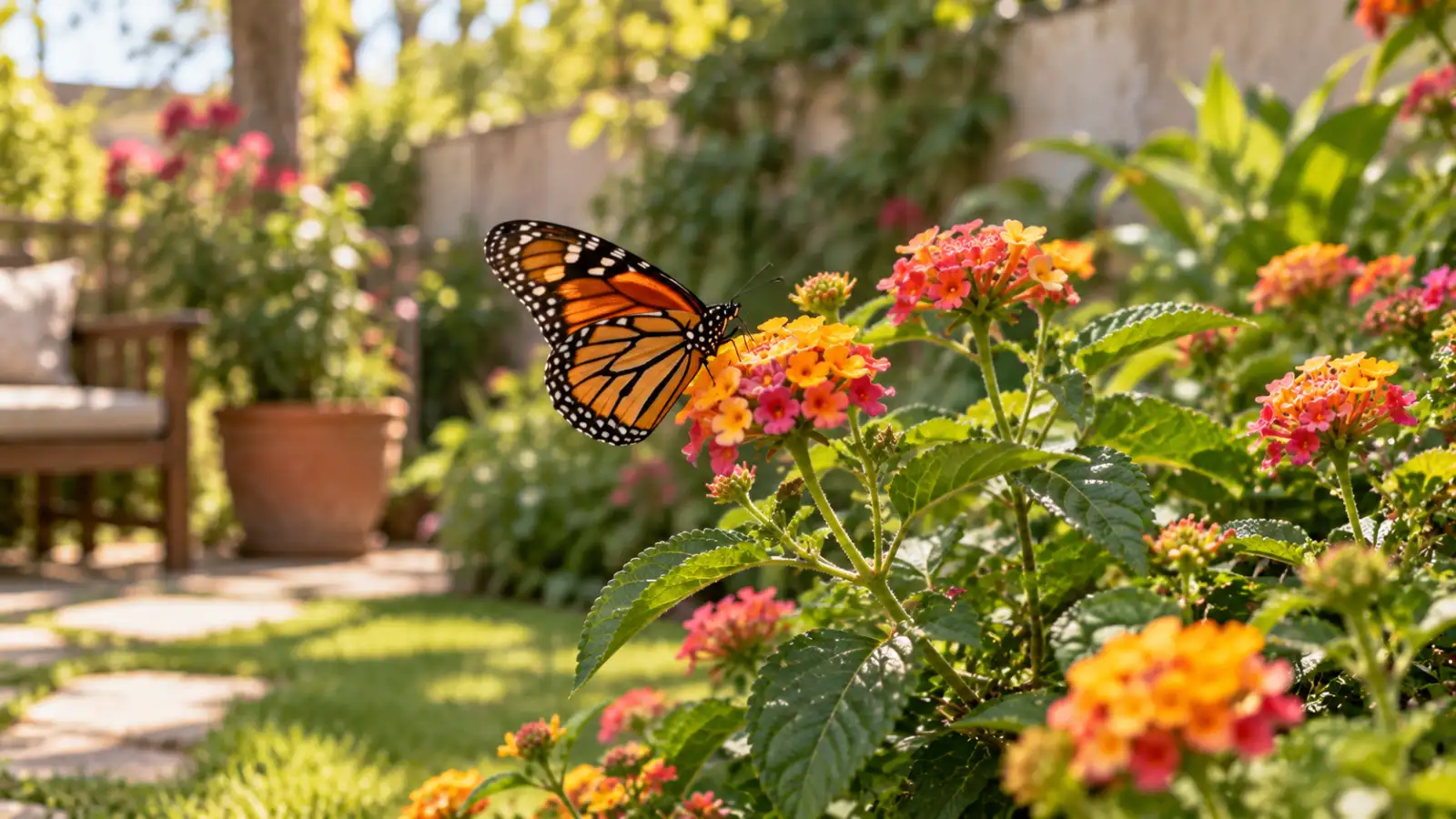
It is particularly useful for gardeners who want a hardy flowering plant that can cope with relatively demanding outdoor conditions.
Growing several plants together can create a stronger visual attraction than relying on a single pot.
A mixture of flowering times can help ensure that the garden continues to provide food rather than offering one short burst of blooms.
This illustrates an important point about wildlife gardening : the plant that looks slightly less perfect may sometimes be more useful to nature.
Its compact growth also makes it useful for gardeners trying to create a wildlife-friendly space without sacrificing structure.
It works especially well when combined with several other nectar-producing species.
This is why butterfly gardening should not be reduced to colourful flowers alone. Kerala's butterfly-garden guidance, for example, distinguishes between nectar plants for adults and larval host plants such as citrus, cassia, aristolochia and milkweed.
A good butterfly garden should ideally provide sunshine, shelter, nectar and host plants. A shallow water source or a small patch of damp soil can also help. Butterflies need warmth to fly, so sunny areas are particularly valuable.
The most rewarding part is that a butterfly garden is never completely predictable. Plant the right conditions, and the garden begins to develop its own small ecosystem.
Lantana
Lantana is one of the most reliable butterfly-attracting plants for Indian gardens. Its clusters of small flowers provide nectar, and the plant handles heat and sunlight well.It is particularly useful for gardeners who want a hardy flowering plant that can cope with relatively demanding outdoor conditions.
Marigold
Marigolds are familiar in Indian homes, but their value goes beyond decoration. Their bright flowers can provide nectar for visiting pollinators and make an easy addition to a butterfly-friendly garden.Growing several plants together can create a stronger visual attraction than relying on a single pot.
Zinnia
Zinnias produce colourful, open flowers that butterflies can easily access. They are also useful for creating patches of colour in sunny spaces.A mixture of flowering times can help ensure that the garden continues to provide food rather than offering one short burst of blooms.
Hibiscus
Hibiscus is valuable because it can serve more than one purpose in a butterfly garden. Its flowers provide resources for adult butterflies, while the foliage can be important to certain butterfly species.This illustrates an important point about wildlife gardening : the plant that looks slightly less perfect may sometimes be more useful to nature.
You may also like
- Want to become a crorepati by age 40? Find out how to build wealth with just ₹10,000 a month.
- Soft Lump on Baby's Head: Causes, Symptoms, Treatment, and Recovery
- Who is Neal Bakshi? Indian-origin author and US citizen claims he was detained after returning from holiday
- Government Introducing New Pension Scheme: Deposit When You Have Funds, Receive the Pension You Desire
- Haven't contributed to your PF account for 5 years? You will still earn interest; here is why the 3-year rule doesn't apply to you..
Ixora
Ixora produces dense clusters of small flowers rich in nectar. It can work particularly well as a shrub in warmer climates and is already widely grown in Indian gardens.Its compact growth also makes it useful for gardeners trying to create a wildlife-friendly space without sacrificing structure.
Mussaenda
Mussaenda is another attractive option for tropical and subtropical gardens. Its unusual flowers and colourful bracts make it ornamental, while its blooms can contribute to a pollinator-friendly planting scheme.It works especially well when combined with several other nectar-producing species.
Citrus Plants
Citrus plants are particularly interesting because they can provide more than flowers. Certain butterflies use citrus and related plants as larval host plants, meaning the foliage can become part of the caterpillar's life cycle.This is why butterfly gardening should not be reduced to colourful flowers alone. Kerala's butterfly-garden guidance, for example, distinguishes between nectar plants for adults and larval host plants such as citrus, cassia, aristolochia and milkweed.
A good butterfly garden should ideally provide sunshine, shelter, nectar and host plants. A shallow water source or a small patch of damp soil can also help. Butterflies need warmth to fly, so sunny areas are particularly valuable.
The most rewarding part is that a butterfly garden is never completely predictable. Plant the right conditions, and the garden begins to develop its own small ecosystem.






Loving Newspoint? Download the app now
