
7 Traditional Noodle Dishes You Must Try From Different Countries

Noodles are among the world's most versatile comfort foods. They can be served in a rich broth, tossed with vegetables, stir-fried with sauces or paired with meat and herbs. While many noodle dishes have travelled across borders, each country has developed its own distinctive flavours and cooking traditions.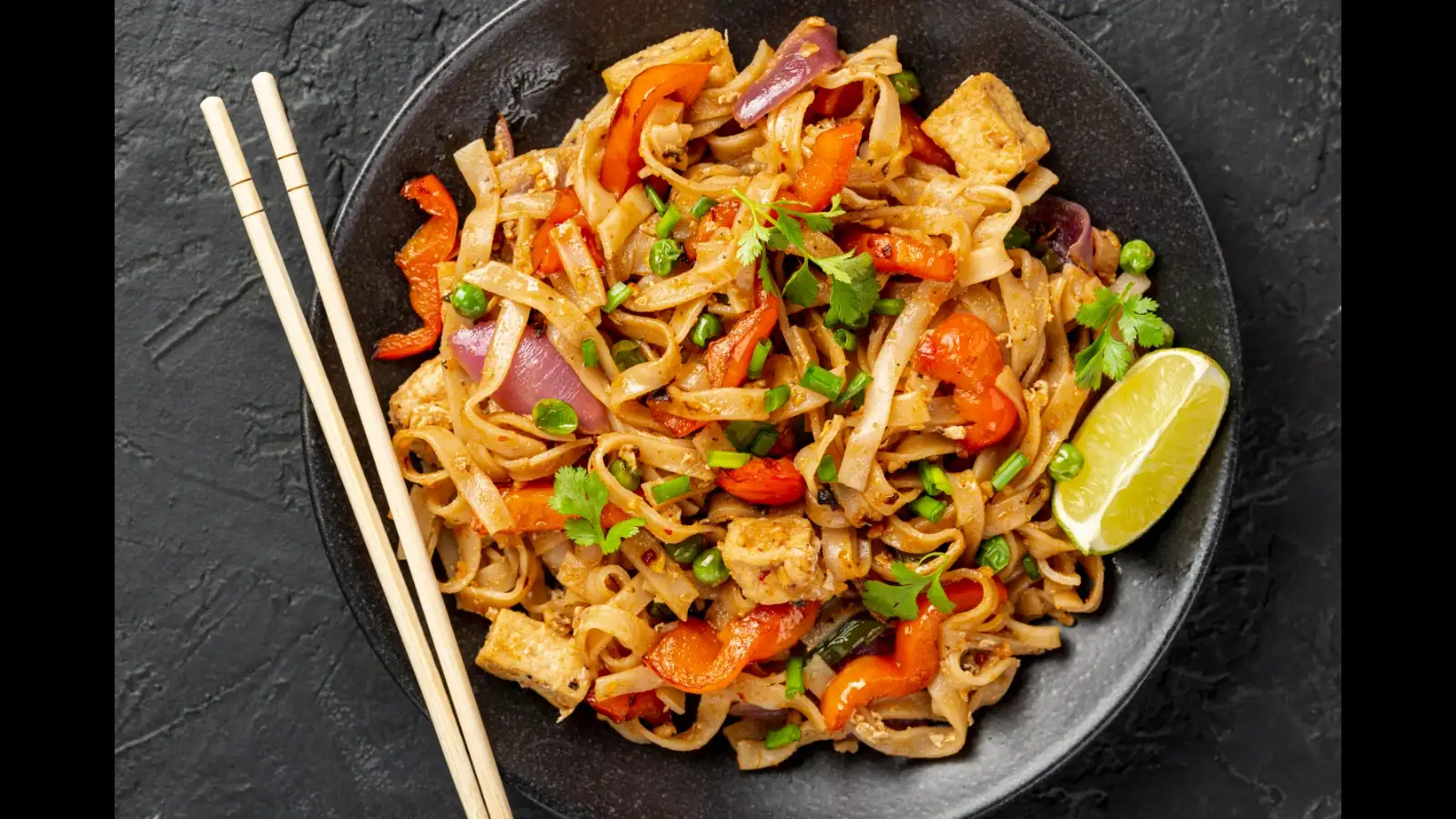
Here are seven traditional noodle dishes from different parts of the world that showcase just how varied this humble food can be.
Although ramen developed in Japan from Chinese-influenced noodle traditions, it has evolved into a distinctly Japanese food with strong regional variations. Miso ramen from Hokkaido and tonkotsu ramen from Kyushu are among its well-known styles.
Pho emerged in northern Vietnam in the early 20th century and developed through a mixture of local culinary traditions and outside influences. Today, it is one of Vietnam's most recognisable dishes.
Unlike many ancient noodle traditions, pad Thai became prominent in Thailand during the 20th century. It is now closely associated with Thai street food and is enjoyed around the world.
Noodles are cooked with ingredients such as vegetables, tofu or meat and seasoned with sauces. Chinese migrants also carried chow mein to other parts of the world, where it developed into different versions suited to local tastes.
The noodles are particularly distinctive because of their long, hand-pulled form. The dish demonstrates how noodle-making traditions have travelled and evolved across Central Asian food cultures.
Unlike a simple noodle soup, ash reshteh is substantial and filling, making it a comforting part of Persian cuisine. Its combination of noodles, legumes and herbs gives it a flavour and texture quite different from East Asian noodle soups.
Pyongyang-style naengmyeon is an important part of Korean culinary heritage, with traditions surrounding the dish passed down through families and restaurants. UNESCO has recognised the cultural significance of Pyongyang raengmyon as a traditional cold-noodle practice.
Here are seven traditional noodle dishes from different parts of the world that showcase just how varied this humble food can be.
1. Ramen , Japan
Ramen is one of Japan's best-known noodle dishes. It consists of wheat noodles served in a flavourful broth, with toppings that can include spring onions, bamboo shoots, seaweed, egg and meat.Although ramen developed in Japan from Chinese-influenced noodle traditions, it has evolved into a distinctly Japanese food with strong regional variations. Miso ramen from Hokkaido and tonkotsu ramen from Kyushu are among its well-known styles.
2. Pho , Vietnam
Pho is a Vietnamese noodle soup made with rice noodles and a fragrant broth. Beef and chicken are common choices, while fresh herbs, spring onions, chilli and lime are often served alongside it.Pho emerged in northern Vietnam in the early 20th century and developed through a mixture of local culinary traditions and outside influences. Today, it is one of Vietnam's most recognisable dishes.
3. Pad Thai , Thailand
Pad Thai brings together rice noodles, egg, tofu, bean sprouts and a sweet, sour and savoury sauce. Depending on the preparation, shrimp or other proteins may also be added, with crushed peanuts and lime commonly served with the dish.Unlike many ancient noodle traditions, pad Thai became prominent in Thailand during the 20th century. It is now closely associated with Thai street food and is enjoyed around the world.
4. Chow Mein, China
Chow mein literally refers to stir-fried noodles. The dish is associated with Chinese cuisine, particularly Cantonese culinary traditions, and has developed numerous regional variations.Noodles are cooked with ingredients such as vegetables, tofu or meat and seasoned with sauces. Chinese migrants also carried chow mein to other parts of the world, where it developed into different versions suited to local tastes.
5. Laghman, Central Asia
Laghman is a popular noodle dish found across parts of Central Asia, particularly among Uyghur and other communities in the region. It features hand-pulled noodles served with a savoury mixture of meat and vegetables.The noodles are particularly distinctive because of their long, hand-pulled form. The dish demonstrates how noodle-making traditions have travelled and evolved across Central Asian food cultures.
6. Ash Reshteh, Iran
Ash reshteh is a hearty Iranian soup made with reshteh, traditional Persian noodles, along with beans, herbs and greens. It is commonly finished with toppings such as kashk, fried onions and mint.Unlike a simple noodle soup, ash reshteh is substantial and filling, making it a comforting part of Persian cuisine. Its combination of noodles, legumes and herbs gives it a flavour and texture quite different from East Asian noodle soups.
7. Naengmyeon, Korea
Naengmyeon is known for being served cold, making it particularly distinctive among traditional noodle dishes. The noodles are typically made using buckwheat, with variations featuring different ingredients and broths.Pyongyang-style naengmyeon is an important part of Korean culinary heritage, with traditions surrounding the dish passed down through families and restaurants. UNESCO has recognised the cultural significance of Pyongyang raengmyon as a traditional cold-noodle practice.
A world of flavours in one bowl
From steaming bowls of Japanese ramen and Vietnamese pho to the chilled noodles of Korea and hand-pulled laghman of Central Asia, noodles reflect the ingredients, climate and culinary traditions of the places where they are made. What makes them especially fascinating is that similar basic ingredients can produce completely different dishes across cultures.Next Story