
7 Fruits You Should Avoid If You're Trying To Lose Weight

When embarking on a weight loss journey, many individuals turn to fruits as a seemingly healthy snack option. While fruits are undoubtedly packed with essential vitamins, minerals, and fiber, not all fruits are created equal when it comes to weight loss. Some fruits, despite their nutritional benefits, can be surprisingly high in sugar and calories, which may hinder your weight loss progress. Here are seven fruits you should consider avoiding if you're aiming to shed those extra pounds: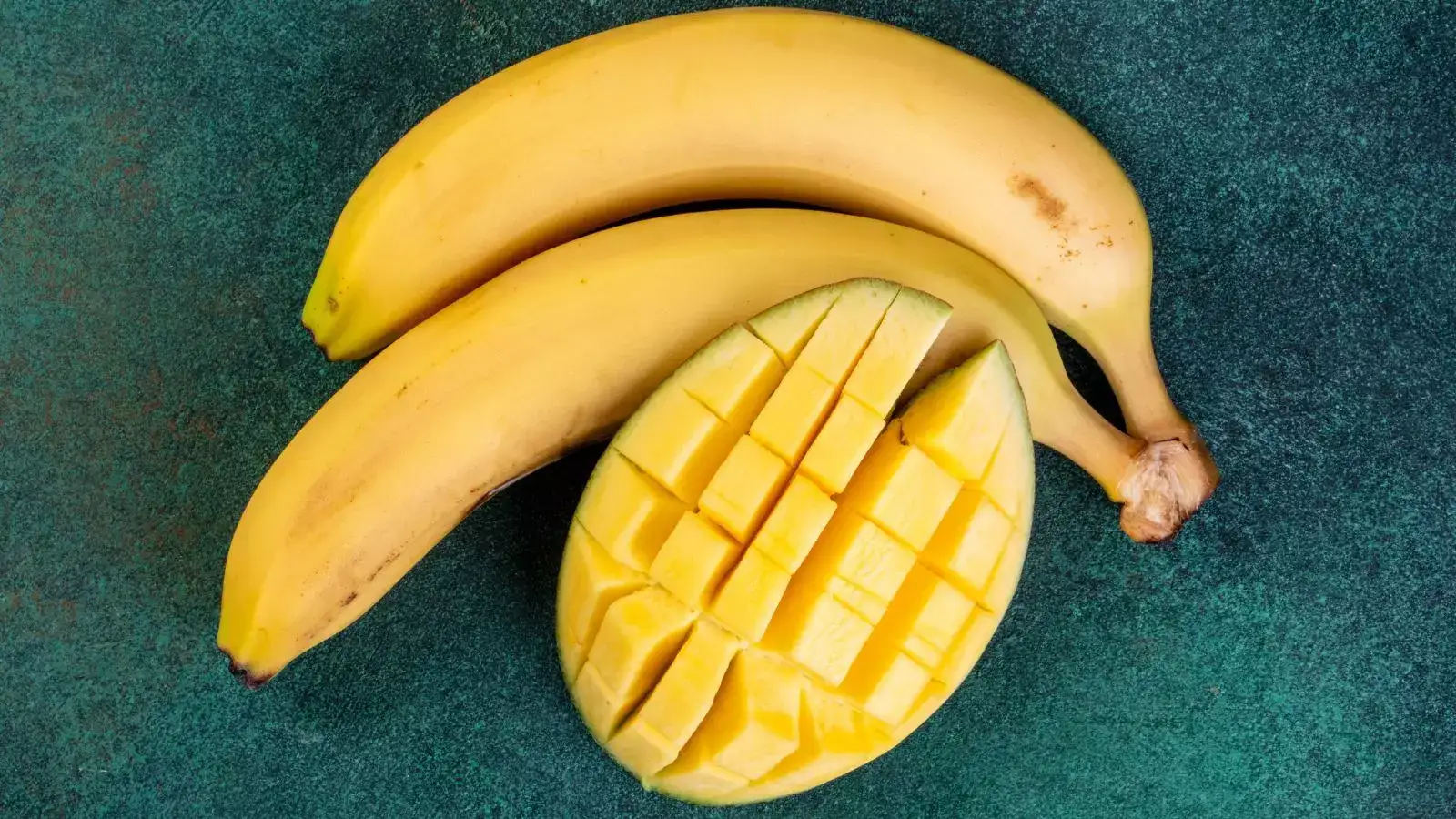
Bananas : Bananas are a popular fruit choice due to their convenience and natural sweetness. However, they are also relatively high in carbohydrates and calories compared to other fruits. A medium-sized banana can contain around 105 calories and 27 grams of carbohydrates, which can add up quickly, especially if you're watching your calorie intake.
Grapes: While grapes are a delicious and refreshing snack, they are one of the highest sugar-containing fruits. Their small size makes it easy to overconsume, leading to an intake of excess calories. Additionally, grapes have a high glycemic index, which means they can cause spikes in blood sugar levels, potentially disrupting your weight loss efforts.
Mangoes: Mango es are renowned for their sweet and juicy flavor, but they are also rich in natural sugars and calories. Just one cup of diced mango can contain around 100 calories and 23 grams of sugar. Consuming mangoes in moderation is key, especially if you're trying to cut back on sugar and reduce your calorie intake.
Cherries: While cherries are a good source of antioxidants and vitamins, they are also relatively high in sugar compared to other berries. A cup of cherries can contain around 18 grams of sugar and approximately 90 calories. If you're watching your sugar intake, opting for lower-sugar fruits like berries might be a better choice.
Pineapple: Pineapple is a tropical fruit beloved for its tangy sweetness, but it's also high in natural sugars and calories. A cup of pineapple chunks can contain around 16 grams of sugar and approximately 82 calories. While pineapple is a good source of vitamin C and manganese, it's best enjoyed in moderation, especially if you're trying to lose weight.
Figs: Figs are a nutrient-dense fruit packed with fiber, potassium, and other essential nutrients. However, they are also relatively high in calories and natural sugars. One medium-sized fig contains around 47 calories and 10 grams of sugar. If you're watching your calorie intake, it's best to limit your consumption of figs or opt for smaller portions.
Dried Fruits: While dried fruits may seem like a convenient and healthy snack option, they are often concentrated sources of sugar and calories. The drying process removes water content, resulting in a smaller, more calorie-dense portion. Dried fruits like raisins, dates, and apricots can be particularly high in sugar and calories, so it's essential to consume them in moderation, especially if you're trying to lose weight.
While these fruits can still be enjoyed in moderation as part of a balanced diet, being mindful of portion sizes and choosing lower-sugar alternatives can help support your weight loss goals. Incorporating a variety of fruits into your diet and focusing on whole, fresh options can ensure you're getting the nutrients you need while keeping your calorie intake in check. Remember, achieving and maintaining a healthy weight is about balance, moderation, and making mindful food choices.
Bananas : Bananas are a popular fruit choice due to their convenience and natural sweetness. However, they are also relatively high in carbohydrates and calories compared to other fruits. A medium-sized banana can contain around 105 calories and 27 grams of carbohydrates, which can add up quickly, especially if you're watching your calorie intake.
Grapes: While grapes are a delicious and refreshing snack, they are one of the highest sugar-containing fruits. Their small size makes it easy to overconsume, leading to an intake of excess calories. Additionally, grapes have a high glycemic index, which means they can cause spikes in blood sugar levels, potentially disrupting your weight loss efforts.
Mangoes: Mango es are renowned for their sweet and juicy flavor, but they are also rich in natural sugars and calories. Just one cup of diced mango can contain around 100 calories and 23 grams of sugar. Consuming mangoes in moderation is key, especially if you're trying to cut back on sugar and reduce your calorie intake.
Cherries: While cherries are a good source of antioxidants and vitamins, they are also relatively high in sugar compared to other berries. A cup of cherries can contain around 18 grams of sugar and approximately 90 calories. If you're watching your sugar intake, opting for lower-sugar fruits like berries might be a better choice.
Pineapple: Pineapple is a tropical fruit beloved for its tangy sweetness, but it's also high in natural sugars and calories. A cup of pineapple chunks can contain around 16 grams of sugar and approximately 82 calories. While pineapple is a good source of vitamin C and manganese, it's best enjoyed in moderation, especially if you're trying to lose weight.
Figs: Figs are a nutrient-dense fruit packed with fiber, potassium, and other essential nutrients. However, they are also relatively high in calories and natural sugars. One medium-sized fig contains around 47 calories and 10 grams of sugar. If you're watching your calorie intake, it's best to limit your consumption of figs or opt for smaller portions.
Dried Fruits: While dried fruits may seem like a convenient and healthy snack option, they are often concentrated sources of sugar and calories. The drying process removes water content, resulting in a smaller, more calorie-dense portion. Dried fruits like raisins, dates, and apricots can be particularly high in sugar and calories, so it's essential to consume them in moderation, especially if you're trying to lose weight.
While these fruits can still be enjoyed in moderation as part of a balanced diet, being mindful of portion sizes and choosing lower-sugar alternatives can help support your weight loss goals. Incorporating a variety of fruits into your diet and focusing on whole, fresh options can ensure you're getting the nutrients you need while keeping your calorie intake in check. Remember, achieving and maintaining a healthy weight is about balance, moderation, and making mindful food choices.
Next Story