
7 Homemade Korean Face Masks For A Naturally Glowing Complexion

Homemade Korean Face Masks : Achieving glowing skin often starts with adopting simple, natural solutions. Korean beauty secrets have become synonymous with hydration, nourishment, and glow. Here are seven homemade Korean face mask recipes inspired by traditional practices and modern K-beauty trends to elevate your skincare routine.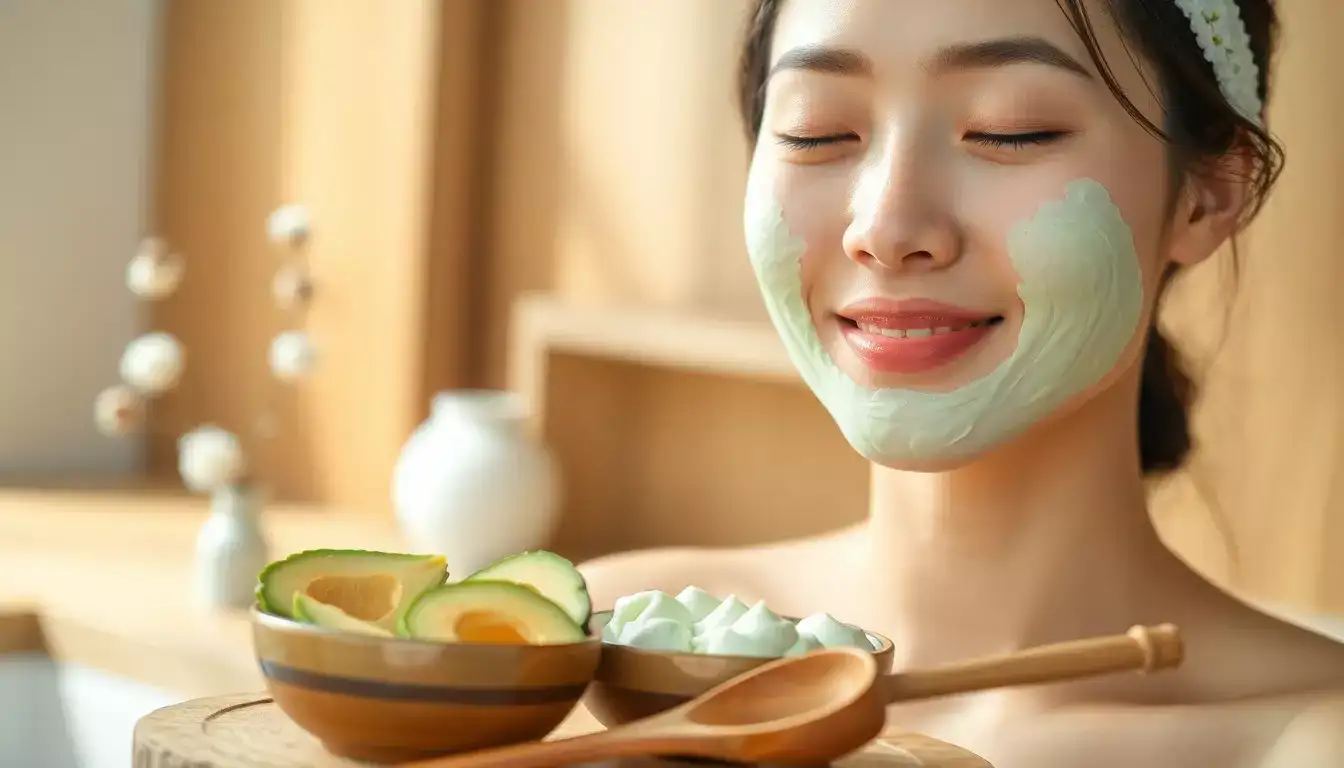
1. Rice Water Glow Mask
Rice water, rich in vitamins and amino acids, has been a staple in Korean beauty for centuries. Mix rice water with a tablespoon of honey and apply it to your face. Leave it for 15 minutes before rinsing. This mask helps to brighten the skin and improve elasticity.
2. Matcha Green Tea Mask
Green tea is celebrated for its antioxidants and soothing properties. Combine matcha powder with yoghurt and a touch of honey to create a creamy paste. Apply for 20 minutes to detoxify your skin while reducing inflammation and redness.
3. Yuja Citrus Hydration Mask
Yuja, a citrus fruit loved in Korean skincare, is packed with vitamin C. Mix yuja juice with aloe vera gel for a refreshing mask that brightens dull skin and deeply hydrates. This is perfect for combating environmental damage.
4. Seaweed Revitalising Mask
Seaweed is rich in minerals and vitamins that nourish and detoxify the skin. Grind dried seaweed into a powder and mix it with water or rice water to form a paste. Leave it on for 10–15 minutes for a rejuvenating boost.
5. Egg White Tightening Mask
Egg whites are a classic ingredient for pore-tightening. Beat one egg white until frothy and apply it as a mask. Once dry, rinse with lukewarm water for smoother and firmer skin. Adding lemon juice can enhance the brightening effect.
6. Snail Mucin and Aloe Mask
Inspired by K-beauty’s love for snail mucin, this mask blends snail filtrate essence (available online) with aloe vera gel. It deeply hydrates and repairs the skin barrier, making it ideal for sensitive or damaged skin.
7. Fermented Rice Flour Mask
Fermentation is at the heart of many Korean beauty traditions. Mix fermented rice flour with milk or water to create a creamy paste. This exfoliating mask removes dead skin cells while promoting a brighter complexion.
Incorporating Korean Face Masks into Your Routine
1. Rice Water Glow Mask
Rice water, rich in vitamins and amino acids, has been a staple in Korean beauty for centuries. Mix rice water with a tablespoon of honey and apply it to your face. Leave it for 15 minutes before rinsing. This mask helps to brighten the skin and improve elasticity.
2. Matcha Green Tea Mask
Green tea is celebrated for its antioxidants and soothing properties. Combine matcha powder with yoghurt and a touch of honey to create a creamy paste. Apply for 20 minutes to detoxify your skin while reducing inflammation and redness.
3. Yuja Citrus Hydration Mask
Yuja, a citrus fruit loved in Korean skincare, is packed with vitamin C. Mix yuja juice with aloe vera gel for a refreshing mask that brightens dull skin and deeply hydrates. This is perfect for combating environmental damage.
4. Seaweed Revitalising Mask
Seaweed is rich in minerals and vitamins that nourish and detoxify the skin. Grind dried seaweed into a powder and mix it with water or rice water to form a paste. Leave it on for 10–15 minutes for a rejuvenating boost.
5. Egg White Tightening Mask
Egg whites are a classic ingredient for pore-tightening. Beat one egg white until frothy and apply it as a mask. Once dry, rinse with lukewarm water for smoother and firmer skin. Adding lemon juice can enhance the brightening effect.
6. Snail Mucin and Aloe Mask
Inspired by K-beauty’s love for snail mucin, this mask blends snail filtrate essence (available online) with aloe vera gel. It deeply hydrates and repairs the skin barrier, making it ideal for sensitive or damaged skin.
7. Fermented Rice Flour Mask
Fermentation is at the heart of many Korean beauty traditions. Mix fermented rice flour with milk or water to create a creamy paste. This exfoliating mask removes dead skin cells while promoting a brighter complexion.
Incorporating Korean Face Masks into Your Routine
- Frequency: Use these masks 1–2 times a week, depending on your skin’s needs.
- Patch Testing: Test each mask on a small skin area to avoid allergic reactions.
- Follow-up: Always follow up with a moisturiser to lock in the benefits.
Next Story