
7 Indian Places to Visit After the Monsoon for Stunning Green Landscapes

There is a brief period in India when the landscape seems almost newly created. The monsoon has washed the dust from leaves, filled streams and waterfalls, and left hillsides covered in intense shades of green. For travellers, the weeks after the rains can be particularly rewarding because the scenery is vibrant while the heavy downpours begin to ease. From Kerala's tea-covered mountains to Maharashtra's misty Western Ghats, these destinations offer a different side of India. If you are looking for Indian places to visit after the monsoon, these seven destinations combine beautiful landscapes with memorable outdoor experiences.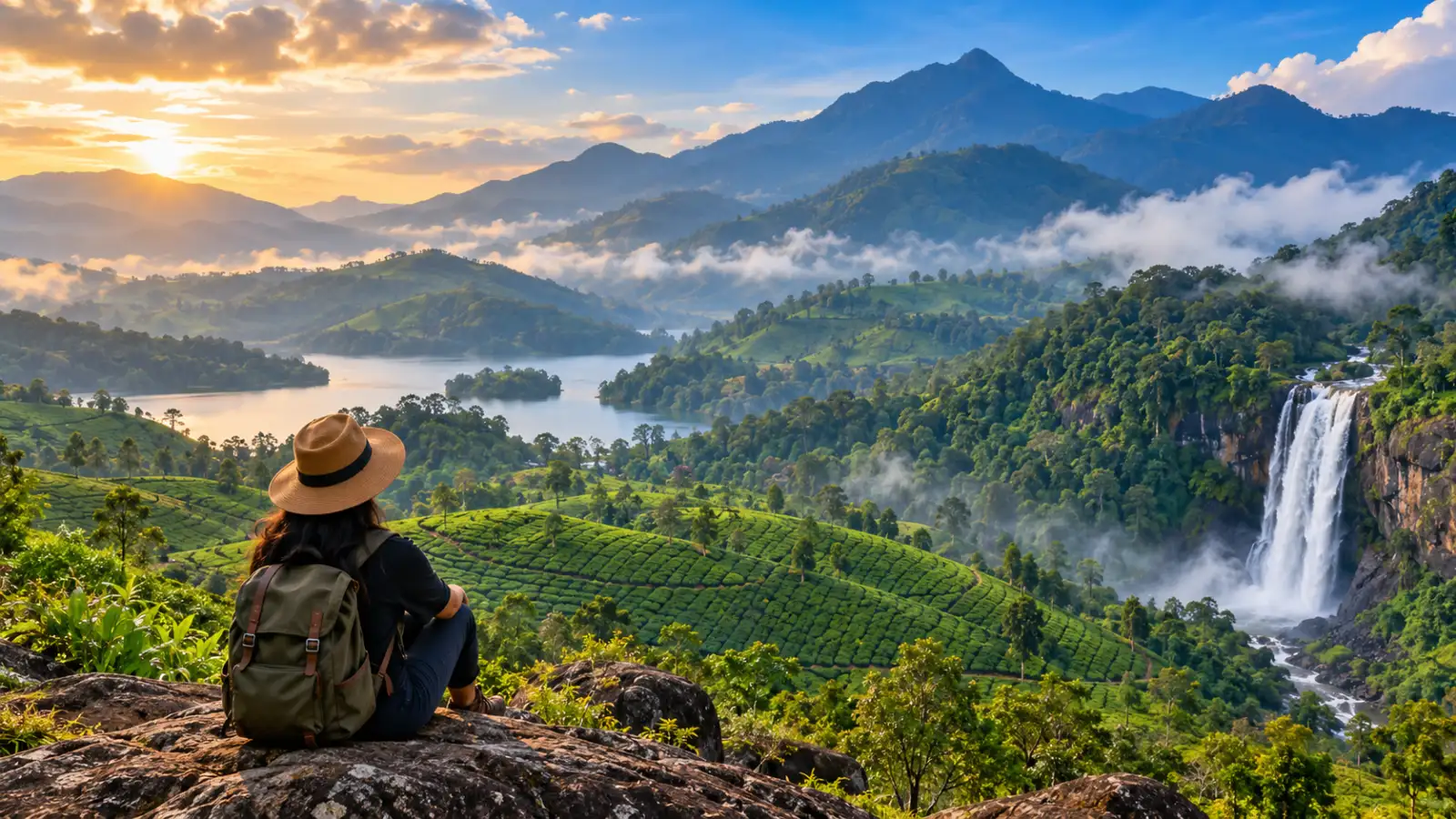
The hill station has an interesting colonial history. British planters developed tea cultivation here in the 19th century, transforming the landscape into the extensive estates visitors see today.
The region is also ideal for travellers who prefer slow experiences. A plantation walk, local Kodava food and an early morning drive through misty hills can be more rewarding than a packed sightseeing schedule.
The ancient Karla and Bhaja caves nearby add historical depth to the trip, making this more than simply a weekend escape from Mumbai or Pune.
Its appeal lies partly in its slower pace. Instead of concentrating on one famous landmark, visitors can spend a day moving between forest trails, viewpoints and small settlements.
The area's living root bridges are another reason to visit. Created by guiding the roots of rubber fig trees, they represent a remarkable example of traditional ecological engineering.
The destination is also historically significant, having developed as a British-era hill retreat.
Because access is seasonal and weather-sensitive, travellers should check local conditions before planning the trek.
Post-monsoon travel offers something that photographs often fail to capture: the smell of wet earth, mist moving across hills and vegetation that appears almost impossibly fresh. For travellers willing to go beyond conventional holiday seasons, India's landscapes after the rains can be among the country's most beautiful.
Munnar, Kerala
Munnar is one of the most rewarding places to experience after the monsoon. Its rolling tea plantations, forests and valleys become exceptionally lush following the rains. Waterfalls are also at their most impressive during this period.The hill station has an interesting colonial history. British planters developed tea cultivation here in the 19th century, transforming the landscape into the extensive estates visitors see today.
Coorg, Karnataka
Known for coffee plantations, forested hills and winding roads, Coorg becomes remarkably green after the rains. The surrounding Western Ghats receive substantial rainfall, helping streams and smaller waterfalls come alive.The region is also ideal for travellers who prefer slow experiences. A plantation walk, local Kodava food and an early morning drive through misty hills can be more rewarding than a packed sightseeing schedule.
Lonavala and Khandala, Maharashtra
These twin hill stations are particularly attractive once the monsoon has transformed the Sahyadri landscape. Green valleys, waterfalls and dramatic rock formations dominate the scenery.The ancient Karla and Bhaja caves nearby add historical depth to the trip, making this more than simply a weekend escape from Mumbai or Pune.
Wayanad, Kerala
Wayanad's forests, plantations and hills look refreshed after the rains. The region is home to rich biodiversity and offers opportunities for trekking, wildlife experiences and visits to waterfalls.Its appeal lies partly in its slower pace. Instead of concentrating on one famous landmark, visitors can spend a day moving between forest trails, viewpoints and small settlements.
Cherrapunji, Meghalaya
Cherrapunji is famous for extraordinary rainfall, but its appeal does not end with the monsoon. After the heaviest rains, the surrounding hills remain deeply green, while waterfalls continue flowing through the landscape.The area's living root bridges are another reason to visit. Created by guiding the roots of rubber fig trees, they represent a remarkable example of traditional ecological engineering.
Mahabaleshwar, Maharashtra
Mahabaleshwar combines forested hills, strawberry farms and expansive viewpoints. After the monsoon, its vegetation is fresh and dense, while streams and waterfalls add to the scenery.The destination is also historically significant, having developed as a British-era hill retreat.
Valley of Flowers, Uttarakhand
The Valley of Flowers is one of India's most spectacular seasonal landscapes. Its alpine meadows bloom during the short summer and monsoon period, creating a colourful contrast against the Himalayan terrain.Because access is seasonal and weather-sensitive, travellers should check local conditions before planning the trek.
Post-monsoon travel offers something that photographs often fail to capture: the smell of wet earth, mist moving across hills and vegetation that appears almost impossibly fresh. For travellers willing to go beyond conventional holiday seasons, India's landscapes after the rains can be among the country's most beautiful.
Next Story