
7 Indian Places Where Clouds Come Down to Village Level

There are places in India where clouds are not something you simply watch from the ground. They drift through streets, settle over rooftops and sometimes completely hide the hills around a village. In these high-altitude and exceptionally wet regions, mist can become part of everyday life. Visibility may change within minutes, while homes, roads and forests emerge and disappear as clouds move through the landscape. From Meghalaya's famously wet hills to remote Himalayan settlements, these Indian places where clouds come down to village level offer a very different experience of the country's weather. Their unusual atmosphere is created by a combination of elevation, moisture, wind and geography.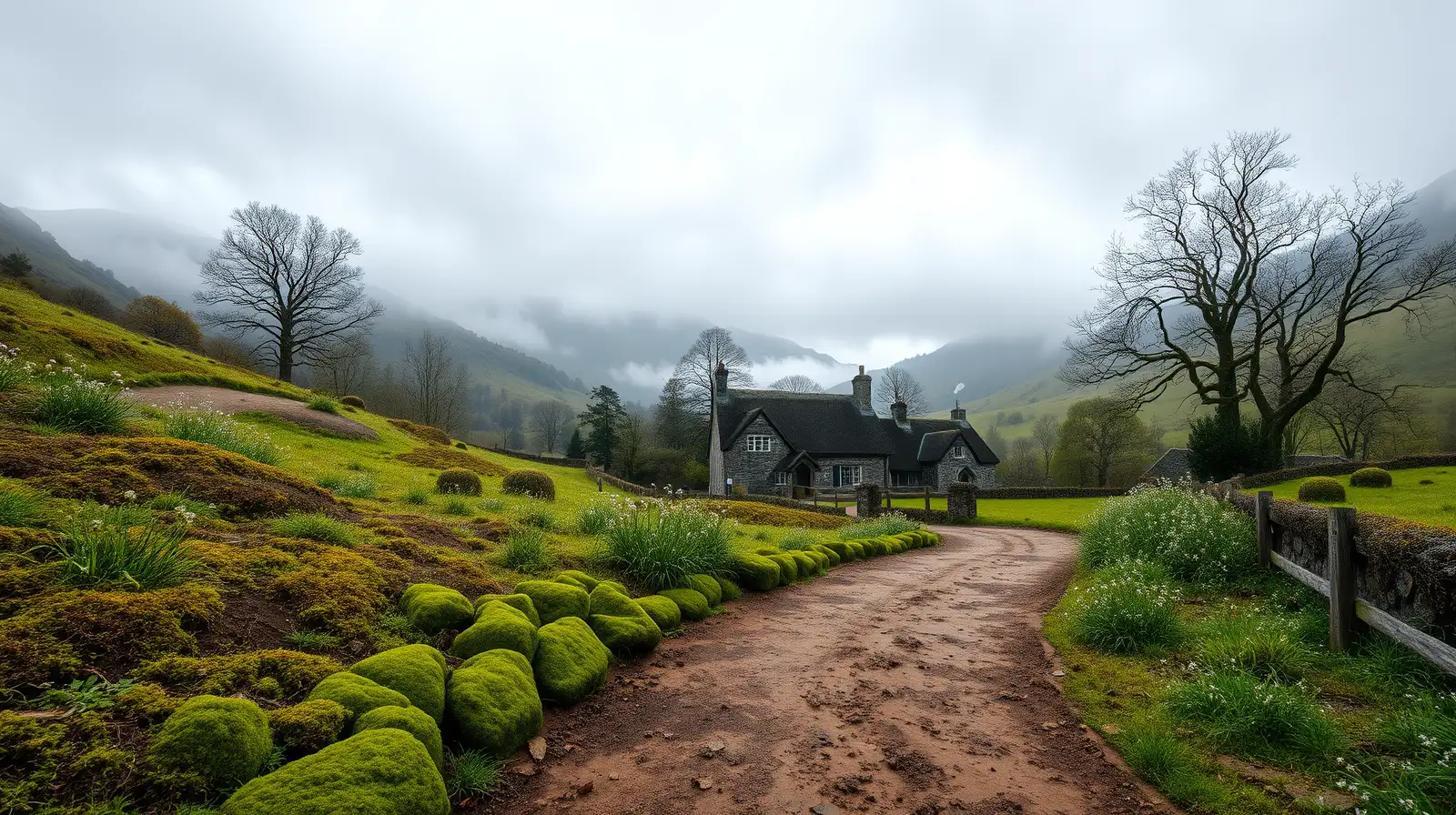
Located in Meghalaya's Khasi Hills, the village receives extraordinary amounts of rainfall because moist air from the Bay of Bengal is forced upwards by the surrounding hills.
During the monsoon, thick mist and low clouds can envelop the landscape, making houses and roads appear to emerge directly from the cloud cover.
Its position on the southern edge of the Khasi Hills exposes it to moisture-laden monsoon winds. The resulting rainfall has shaped everything from waterfalls and forests to local farming practices.
On misty days, clouds can settle across the hills and dramatically reduce visibility, creating the feeling that the village itself is floating in the sky.
The town and surrounding villages sit among high mountains where clouds frequently gather around ridges and valleys. During colder months, snowfall can transform the landscape, while summer brings mist and rainfall.
The combination of Buddhist monasteries, mountain slopes and drifting clouds gives Tawang an especially distinctive atmosphere.
Its elevation and forested slopes create an environment where mist can linger, particularly during the wetter months. When clouds move through the hills, the villages and mountain roads can appear almost suspended above the valleys.
The lack of large-scale urban development makes the effect even more noticeable.
The changing visibility is part of the character of the region. A mountain that is clearly visible in the morning can become completely hidden behind mist later in the day.
For residents, this is an ordinary feature of mountain weather. For visitors, it can be an unforgettable experience.
Its elevated location means mist frequently becomes part of the scenery, especially during rainy periods. Clouds moving across the hills can create constantly changing views of the surrounding landscape.
The area is also known for living root bridges, demonstrating how local communities have adapted to an exceptionally wet environment.
At high elevation, clouds often move quickly through the valley, obscuring mountains before revealing them again. During warmer months, flowering plants add colour to the landscape, while winter brings snow and freezing conditions.
The same valley can therefore look completely different depending on the season and weather.
In places such as Meghalaya, enormous rainfall supports lush vegetation but can also contribute to soil erosion and difficult travel. In the Himalayas, sudden fog and cloud can make mountain roads considerably more challenging.
Climate patterns are also becoming increasingly important as communities deal with changing rainfall and weather extremes.
Mawsynram , Meghalaya
Mawsynram is widely recognised as one of the wettest places on Earth, and its landscape demonstrates just how powerful moisture can be.Located in Meghalaya's Khasi Hills, the village receives extraordinary amounts of rainfall because moist air from the Bay of Bengal is forced upwards by the surrounding hills.
During the monsoon, thick mist and low clouds can envelop the landscape, making houses and roads appear to emerge directly from the cloud cover.
Cherrapunji , Meghalaya
Cherrapunji, officially known as Sohra, is another famous destination for dramatic cloud and mist conditions.Its position on the southern edge of the Khasi Hills exposes it to moisture-laden monsoon winds. The resulting rainfall has shaped everything from waterfalls and forests to local farming practices.
On misty days, clouds can settle across the hills and dramatically reduce visibility, creating the feeling that the village itself is floating in the sky.
Tawang , Arunachal Pradesh
High in the eastern Himalayas, Tawang experiences a very different type of cloud-covered landscape.The town and surrounding villages sit among high mountains where clouds frequently gather around ridges and valleys. During colder months, snowfall can transform the landscape, while summer brings mist and rainfall.
The combination of Buddhist monasteries, mountain slopes and drifting clouds gives Tawang an especially distinctive atmosphere.
Khirsu, Uttarakhand
Khirsu is a quieter Himalayan destination surrounded by oak and deodar forests.Its elevation and forested slopes create an environment where mist can linger, particularly during the wetter months. When clouds move through the hills, the villages and mountain roads can appear almost suspended above the valleys.
The lack of large-scale urban development makes the effect even more noticeable.
Munsiyari, Uttarakhand
Munsiyari sits in the Kumaon Himalayas and is known for its spectacular mountain views. Yet those views can disappear quickly when clouds roll into the valley.The changing visibility is part of the character of the region. A mountain that is clearly visible in the morning can become completely hidden behind mist later in the day.
For residents, this is an ordinary feature of mountain weather. For visitors, it can be an unforgettable experience.
Laitkynsew, Meghalaya
Laitkynsew is a small village in Meghalaya's East Khasi Hills, surrounded by forests and deep valleys.Its elevated location means mist frequently becomes part of the scenery, especially during rainy periods. Clouds moving across the hills can create constantly changing views of the surrounding landscape.
The area is also known for living root bridges, demonstrating how local communities have adapted to an exceptionally wet environment.
Yumthang Valley , Sikkim
Yumthang Valley is famous for its alpine scenery, but weather can dramatically alter its appearance.At high elevation, clouds often move quickly through the valley, obscuring mountains before revealing them again. During warmer months, flowering plants add colour to the landscape, while winter brings snow and freezing conditions.
The same valley can therefore look completely different depending on the season and weather.
Why Low Clouds Matter
Clouds at village level are not merely a visual attraction. They influence agriculture, road conditions, visibility and water availability.In places such as Meghalaya, enormous rainfall supports lush vegetation but can also contribute to soil erosion and difficult travel. In the Himalayas, sudden fog and cloud can make mountain roads considerably more challenging.
Climate patterns are also becoming increasingly important as communities deal with changing rainfall and weather extremes.
Next Story