
Women’s Health: 7 Iron Rich Foods You Should Eat Regularly

Iron is an essential mineral that helps the body make haemoglobin, which carries oxygen through the blood. Women, particularly during their reproductive years, may need to pay extra attention to iron intake because of monthly blood loss. Including iron-rich foods in everyday meals can help support energy levels and overall health.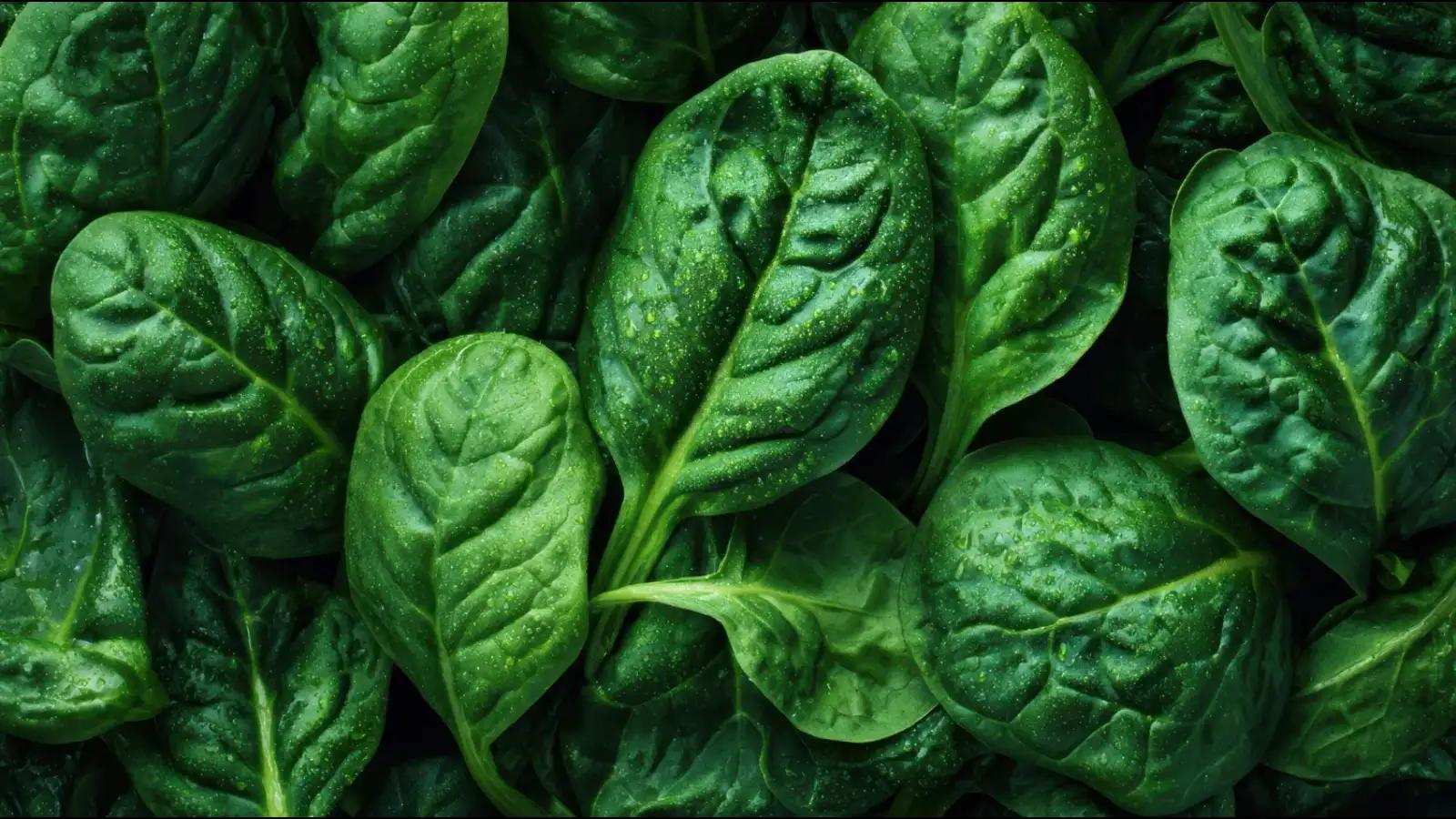
Here are seven nutritious iron-rich foods that women can consider adding to their diet.
At the same time, drinking tea or coffee immediately with an iron-rich meal may reduce iron absorption. Keeping a gap between these beverages and meals can be helpful.
A varied diet containing leafy greens, legumes, seeds, soy foods and, where suitable, eggs or meat can help women meet their iron needs. If you experience persistent tiredness, weakness or other symptoms that could indicate iron deficiency , speak with a healthcare professional rather than starting iron supplements on your own.
Here are seven nutritious iron-rich foods that women can consider adding to their diet.
1. Spinach and Other Leafy Greens
Spinach, amaranth leaves and other dark leafy greens provide plant-based iron along with folate, fibre and antioxidants. Add them to dals, curries, soups, smoothies or stir-fries for an easy nutritional boost.2. Lentils and Beans
Lentils, chickpeas, kidney beans and other legumes are excellent vegetarian sources of iron. They also provide protein and fibre, making them a filling addition to everyday meals. Pairing them with vitamin C-rich foods can improve the absorption of plant-based iron.3. Sesame Seeds
Sesame seeds are small but nutrient-dense and can add iron to your diet. Sprinkle them over salads, vegetables or curd, or use them in chutneys and homemade snacks.You may also like
- How to separate stuck glass bowls without breaking them: Safe methods to loosen tightly wedged bowls at home
- Night-Time Anal Itching During Pregnancy: Causes and Treatment
- Brain Death vs. Coma: Understanding the Medical Reality and How It Can Give New Life Through Organ Donation
- Delhi-NCR Swine Flu Alert: H1N1 Cases Cross 1,400, Who Is Most at Risk and How to Stay Safe
- Complete these 4 tasks before August ends to avoid future hassles
4. Pumpkin Seeds
Pumpkin seeds are a convenient source of plant-based iron and also contain protein, magnesium and healthy fats. A small handful can make an easy snack or can be added to oatmeal, yoghurt and salads.5. Soybeans and Tofu
Soybeans and foods made from them, such as tofu, can contribute both iron and protein to a vegetarian diet. Tofu works well in stir-fries, curries, salads and wraps, making it easy to include in regular meals.6. Eggs
Eggs contain iron along with protein, vitamin B12 and several other nutrients. They can be included in breakfast, salads or simple meals. While eggs are not among the richest sources of iron, they can still contribute to overall dietary intake.7. Meat and Seafood
For those who eat non-vegetarian foods, lean red meat, poultry and certain seafood can provide iron. The iron in animal foods is generally absorbed more efficiently than the non-heme iron found in plant foods.How To Improve Iron Absorption
What you eat alongside iron-rich foods can make a difference. Vitamin C helps the body absorb plant-based iron, so try pairing meals with foods such as oranges, guava, tomatoes, amla, capsicum or lemon.At the same time, drinking tea or coffee immediately with an iron-rich meal may reduce iron absorption. Keeping a gap between these beverages and meals can be helpful.
A varied diet containing leafy greens, legumes, seeds, soy foods and, where suitable, eggs or meat can help women meet their iron needs. If you experience persistent tiredness, weakness or other symptoms that could indicate iron deficiency , speak with a healthcare professional rather than starting iron supplements on your own.






Loving Newspoint? Download the app now
