
Journey Through Time: Exploring The Magnificence Of The 7 Modern Wonders

The concept of wonders has captivated human imagination for centuries, from the ancient Seven Wonders of the World to the modern wonders that continue to awe and inspire. In this article, we will embark on a journey to explore the 7 New Wonders of the Modern World—a testament to human ingenuity, architectural brilliance, and cultural significance.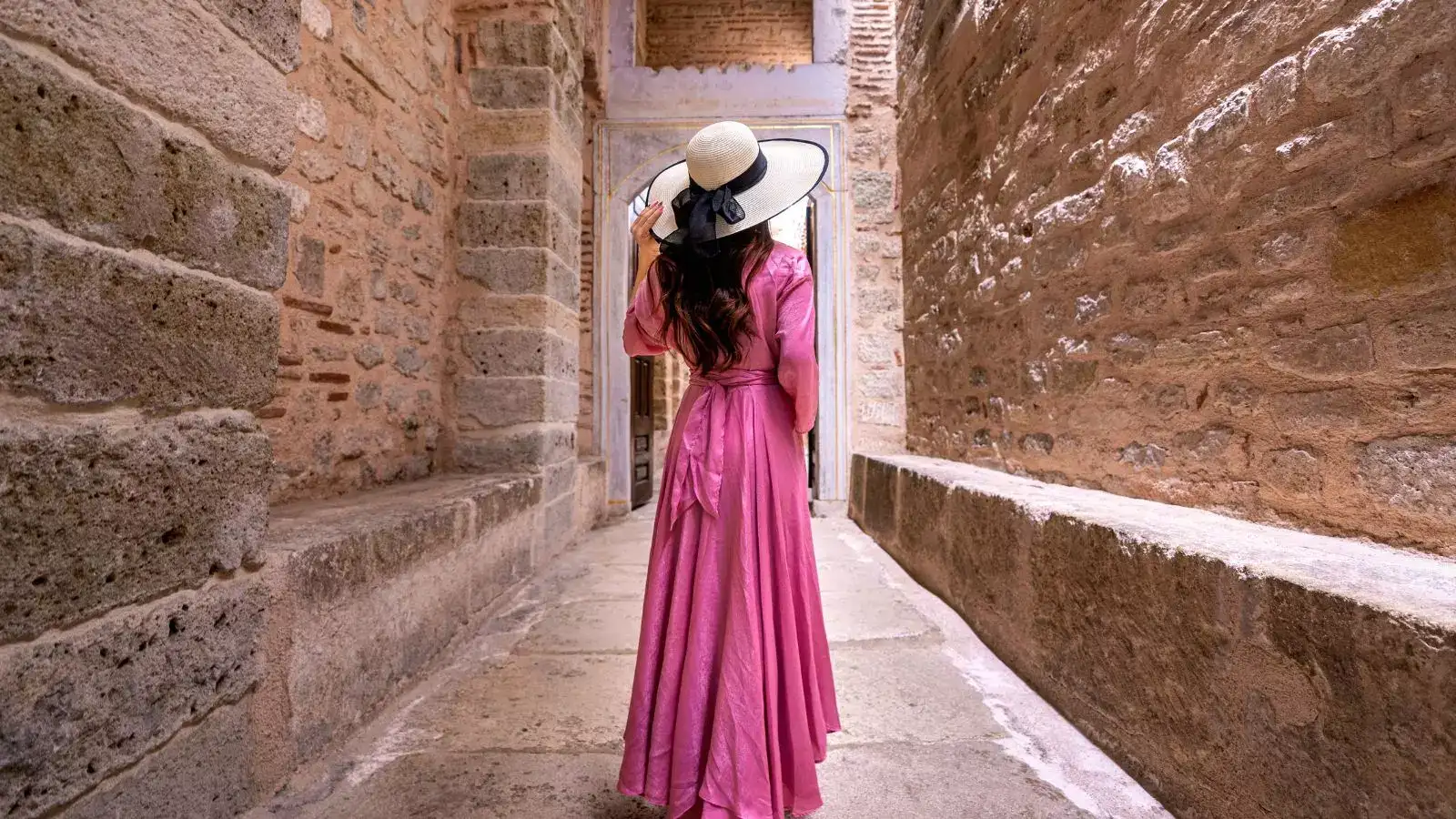
Petra , Jordan : Nestled amidst the rugged desert terrain of Jordan, Petra stands as a symbol of the ancient Nabatean civilization. Carved into rose-red cliffs, the city is renowned for its intricate rock-cut architecture and archaeological wonders. The most iconic structure is the Al-Khazneh, or the Treasury, a breathtaking facade that has become an enduring symbol of Petra's mystique.
Taj Mahal, India: A timeless testament to love, the Taj Mahal in Agra, India, is a masterpiece of Mughal architecture. Commissioned by Emperor Shah Jahan in memory of his beloved wife Mumtaz Mahal, this ivory-white marble mausoleum is a harmonious blend of Persian, Islamic, and Indian architectural styles. Its ethereal beauty, especially under the soft glow of the moonlight, continues to captivate visitors from around the world.
Great Wall of China: The Great Wall of China, winding its way through the country's rugged landscapes, stands as a marvel of ancient engineering. Built over several dynasties to protect against invasions, this colossal structure stretches over 13,000 miles. Its watchtowers and fortifications not only showcase military prowess but also offer breathtaking panoramic views of the surrounding landscapes.
Christ the Redeemer, Brazil: Perched atop the Corcovado mountain in Rio de Janeiro, Brazil, the Christ the Redeemer statue is a colossal symbol of Christianity and an iconic landmark. With outstretched arms, the statue overlooks the city, offering a panoramic view of the vibrant metropolis below. This masterpiece is not only a religious symbol but also a testament to the artistic and engineering achievements of the early 20th century.
Colosseum, Italy: The Colosseum, an ancient amphitheater in the heart of Rome, Italy, is a testament to the grandeur of Roman engineering and architecture. Completed in AD 80, the Colosseum hosted gladiatorial contests, public spectacles, and theatrical performances. Its colossal size and innovative construction methods, such as the use of the hypogeum, have left an indelible mark on the history of architecture.
Chichen Itza, Mexico: Chichen Itza, a sprawling archaeological site in the Yucatán Peninsula of Mexico, stands as a testament to the advanced civilization of the ancient Maya. The most iconic structure, El Castillo, or the Pyramid of Kukulcan, showcases astronomical precision with its alignment to the equinoxes. The site is a treasure trove of ancient temples, ball courts, and intricate carvings that provide insight into the rich cultural and architectural heritage of the Maya people.
Machu Picchu, Peru: Perched high in the Andes mountains, Machu Picchu is an ancient Incan citadel that continues to mystify and enchant visitors. Built in the 15th century and abandoned a century later, Machu Picchu remained hidden from the outside world until its rediscovery in 1911. Its terraced fields, ceremonial plazas, and intricate stone constructions showcase the advanced engineering and architectural prowess of the Inca civilization.
The 7 New Wonders of the Modern World stand as testament to human achievement, spanning different continents and civilizations. From the mystical city of Petra to the awe-inspiring Taj Mahal, each wonder reflects the unique cultural, historical, and architectural richness of its respective region. As these wonders continue to capture the imaginations of people around the globe, they serve as a reminder of the enduring legacy of human creativity and ingenuity.
Petra , Jordan : Nestled amidst the rugged desert terrain of Jordan, Petra stands as a symbol of the ancient Nabatean civilization. Carved into rose-red cliffs, the city is renowned for its intricate rock-cut architecture and archaeological wonders. The most iconic structure is the Al-Khazneh, or the Treasury, a breathtaking facade that has become an enduring symbol of Petra's mystique.
Taj Mahal, India: A timeless testament to love, the Taj Mahal in Agra, India, is a masterpiece of Mughal architecture. Commissioned by Emperor Shah Jahan in memory of his beloved wife Mumtaz Mahal, this ivory-white marble mausoleum is a harmonious blend of Persian, Islamic, and Indian architectural styles. Its ethereal beauty, especially under the soft glow of the moonlight, continues to captivate visitors from around the world.
You may also like
- 5 simple ways to keep your stainless steel bottle from smelling bad
- The “Good Child” Trap: How Praising Kids for Being Easy Can Create Anxious Adults
- Raksha Bandhan Gift Idea: How to Give Stocks or Mutual Funds to Your Sister and Understand the Tax Rules
- After building a life in Australia for 20 years, an Indian man and his family decide to return: Why are they leaving?
- Why You Miss Someone More After They've Stopped Giving You Attention
Great Wall of China: The Great Wall of China, winding its way through the country's rugged landscapes, stands as a marvel of ancient engineering. Built over several dynasties to protect against invasions, this colossal structure stretches over 13,000 miles. Its watchtowers and fortifications not only showcase military prowess but also offer breathtaking panoramic views of the surrounding landscapes.
Christ the Redeemer, Brazil: Perched atop the Corcovado mountain in Rio de Janeiro, Brazil, the Christ the Redeemer statue is a colossal symbol of Christianity and an iconic landmark. With outstretched arms, the statue overlooks the city, offering a panoramic view of the vibrant metropolis below. This masterpiece is not only a religious symbol but also a testament to the artistic and engineering achievements of the early 20th century.
Colosseum, Italy: The Colosseum, an ancient amphitheater in the heart of Rome, Italy, is a testament to the grandeur of Roman engineering and architecture. Completed in AD 80, the Colosseum hosted gladiatorial contests, public spectacles, and theatrical performances. Its colossal size and innovative construction methods, such as the use of the hypogeum, have left an indelible mark on the history of architecture.
Chichen Itza, Mexico: Chichen Itza, a sprawling archaeological site in the Yucatán Peninsula of Mexico, stands as a testament to the advanced civilization of the ancient Maya. The most iconic structure, El Castillo, or the Pyramid of Kukulcan, showcases astronomical precision with its alignment to the equinoxes. The site is a treasure trove of ancient temples, ball courts, and intricate carvings that provide insight into the rich cultural and architectural heritage of the Maya people.
Machu Picchu, Peru: Perched high in the Andes mountains, Machu Picchu is an ancient Incan citadel that continues to mystify and enchant visitors. Built in the 15th century and abandoned a century later, Machu Picchu remained hidden from the outside world until its rediscovery in 1911. Its terraced fields, ceremonial plazas, and intricate stone constructions showcase the advanced engineering and architectural prowess of the Inca civilization.
The 7 New Wonders of the Modern World stand as testament to human achievement, spanning different continents and civilizations. From the mystical city of Petra to the awe-inspiring Taj Mahal, each wonder reflects the unique cultural, historical, and architectural richness of its respective region. As these wonders continue to capture the imaginations of people around the globe, they serve as a reminder of the enduring legacy of human creativity and ingenuity.






Loving Newspoint? Download the app now
