
7 Non-dairy Foods For Strong & Healthy Bones: What You Need To Know

When it comes to maintaining strong and healthy bones, dairy products are often the go-to recommendation due to their high calcium content. However, a growing number of people are turning to non-dairy alternatives, either due to dietary restrictions, lactose intolerance, or personal preferences. Fortunately, there are numerous non-dairy foods rich in essential nutrients that support bone health. Here’s a comprehensive guide to seven non-dairy foods you should include in your daily diet to ensure your bones remain strong and resilient.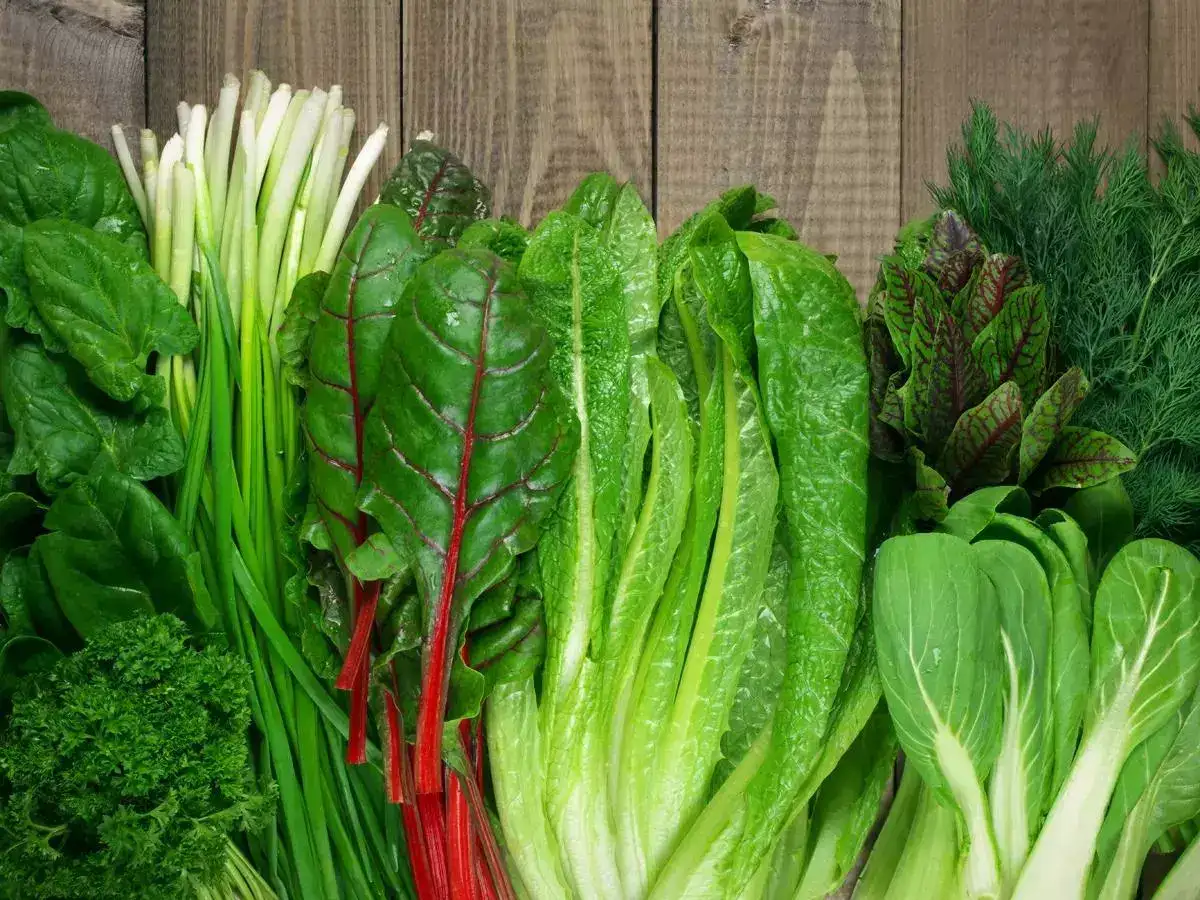
1. Leafy Green Vegetables: Nutrient-Packed Powerhouses
Leafy greens, such as kale, spinach, and bok choy, are excellent sources of calcium and other vital nutrients needed for bone health.
Fortified plant-based milks, such as almond milk, soy milk, and oat milk, provide a dairy-free option that’s often fortified with calcium and vitamin D.
Nuts and seeds, such as almonds, chia seeds, and flaxseeds, are packed with nutrients that contribute to bone health.
Tofu, made from soybeans, is a versatile ingredient that offers a significant amount of calcium and protein.
Oranges are not only a great source of vitamin C but also contain a small amount of calcium.
Beans and lentils are excellent plant-based sources of protein and are also rich in calcium, magnesium, and other nutrients beneficial for bone health.
Sea vegetables, such as seaweed and kelp, offer a unique source of calcium and other minerals.
1. Leafy Green Vegetables: Nutrient-Packed Powerhouses
Leafy greens, such as kale, spinach, and bok choy, are excellent sources of calcium and other vital nutrients needed for bone health.
- Why They’re Beneficial: These vegetables are rich in calcium, magnesium, and vitamin K, which play crucial roles in bone formation and maintenance. Vitamin K, in particular, helps in bone mineralisation and may reduce the risk of fractures.
- How to Incorporate Them: Add a handful of fresh spinach or kale to your smoothies, salads, or stir-fries. You can also prepare a side dish of sautéed greens with garlic and olive oil for a nutritious boost.
Fortified plant-based milks, such as almond milk, soy milk, and oat milk, provide a dairy-free option that’s often fortified with calcium and vitamin D.
- Why They’re Beneficial: Many plant milks are enriched with calcium and vitamin D, which are essential for maintaining bone density and strength. Vitamin D helps the body absorb calcium more effectively.
- How to Incorporate Them: Use fortified plant milks in your cereal, coffee, or smoothies. Check the label to ensure the product is fortified with calcium and vitamin D.
Nuts and seeds, such as almonds, chia seeds, and flaxseeds, are packed with nutrients that contribute to bone health.
- Why They’re Beneficial: Almonds are a great source of calcium, while chia seeds and flaxseeds provide omega-3 fatty acids, which support bone health by reducing inflammation and promoting overall joint function.
- How to Incorporate Them: Snack on a handful of almonds, sprinkle chia seeds or flaxseeds on your yoghurt or smoothie, or use them in baking recipes.
Tofu, made from soybeans, is a versatile ingredient that offers a significant amount of calcium and protein.
- Why It’s Beneficial: Tofu is often prepared with calcium sulfate, making it a rich source of calcium. It also provides protein, which is essential for bone repair and growth.
- How to Incorporate It: Use tofu in a variety of dishes, including stir-fries, salads, and soups. You can also grill or pan-fry tofu for a delicious and nutritious addition to your meals.
Oranges are not only a great source of vitamin C but also contain a small amount of calcium.
- Why They’re Beneficial: Vitamin C is crucial for the synthesis of collagen, a protein that helps keep bones and joints healthy. While oranges aren’t a major source of calcium, they complement other calcium-rich foods in your diet.
- How to Incorporate Them: Enjoy oranges as a refreshing snack, add them to your breakfast smoothie, or include them in a fruit salad.
Beans and lentils are excellent plant-based sources of protein and are also rich in calcium, magnesium, and other nutrients beneficial for bone health.
- Why They’re Beneficial: Beans and lentils provide a good amount of calcium and magnesium, both of which are essential for maintaining bone density and strength.
- How to Incorporate Them: Add beans or lentils to soups, stews, salads, or use them as a base for vegetarian burgers. You can also use them in curries and casseroles for added nutrition.
Sea vegetables, such as seaweed and kelp, offer a unique source of calcium and other minerals.
- Why They’re Beneficial: Sea vegetables are rich in calcium, iodine, and other essential minerals. They can be particularly beneficial for bone health due to their high calcium content.
- How to Incorporate Them: Add seaweed to salads, soups, or sushi rolls. Kelp can be used as a flavour enhancer in various dishes.
Next Story