7 Non-Native Vegetables That Found A Home In Indian Cuisine

India n cuisine is renowned for its rich diversity and vibrant flavors, often attributed to a myriad of spices, herbs, and vegetables. While many vegetables have become staples in Indian kitchens over centuries, it's interesting to note that some of these vegetables were not originally native to India. Instead, they found their way into the Indian subcontinent through trade, migration, and cultural exchanges. Let's explore seven Indian vegetables with global origins that have become integral parts of the country's culinary landscape.
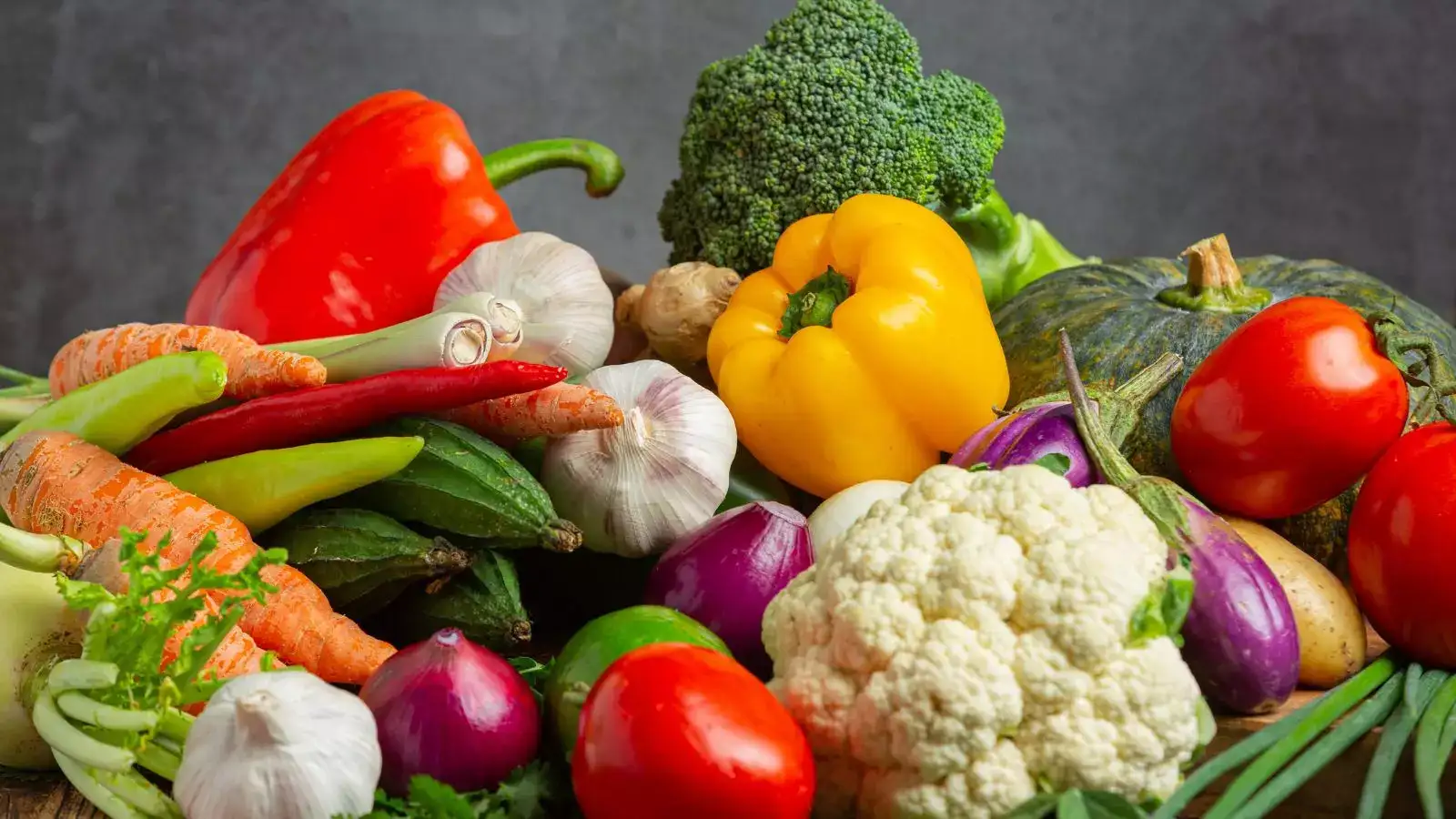
Potato: Native to the Andes region in South America, the potato made its way to India during the colonial era. The British introduced potatoes to India, and the versatile tuber quickly adapted to the diverse Indian climate. Today, potatoes are a ubiquitous part of Indian cuisine, used in various dishes like aloo gobi, masala dosa, and samosas.
Tomato: Believe it or not, tomatoes were not originally present in Indian recipes. Native to western South America, tomatoes were brought to India by Portuguese explorers in the 16th century. Over time, they became an essential ingredient in Indian curries, chutneys, and salads, adding color and flavor to a wide array of dishes.
Bell Pepper (Capsicum): The fiery heat of bell peppers is a defining feature of Indian cuisine, but these spicy vegetables are not native to the Indian subcontinent. Originating in the Americas, chili peppers were introduced to India by the Portuguese and Spanish traders. Now, they play a crucial role in Indian spice blends and are used to add heat to countless dishes.
Cauliflower: Cauliflower, a cruciferous vegetable, is believed to have originated in the Mediterranean region. It found its way to India through historical trade routes. Today, cauliflower is a staple in Indian cooking, featuring prominently in dishes like gobi masala, aloo gobi, and various curries.
Carrot: While carrots are widely associated with Indian cuisine, they are not native to the Indian subcontinent. Originating in Europe and SouthWest Asia , carrots made their way to India through trade routes. Their vibrant color and sweet flavor make them popular in both savory and sweet dishes, such as carrot halwa.
Cabbage: Cabbage, another cruciferous vegetable, is thought to have originated in Europe before spreading to Asia. Introduced to India through trade and cultural exchanges, cabbage is now used in a variety of Indian dishes, including coleslaw, pickles, and curries.
Sweet Potato: Native to the Americas, sweet potatoes were introduced to India during the colonial period. These nutrient-rich tubers have become an integral part of Indian cuisine, finding their way into desserts, curries, and snacks.
The rich tapestry of Indian cuisine has been woven together through centuries of cultural interactions, trade, and historical influences. While many vegetables have become synonymous with Indian cooking, it's fascinating to discover that some of these staples have their roots in distant lands. These global contributions have not only diversified the flavors of Indian dishes but also added unique dimensions to the country's culinary heritage.
Potato: Native to the Andes region in South America, the potato made its way to India during the colonial era. The British introduced potatoes to India, and the versatile tuber quickly adapted to the diverse Indian climate. Today, potatoes are a ubiquitous part of Indian cuisine, used in various dishes like aloo gobi, masala dosa, and samosas.
Tomato: Believe it or not, tomatoes were not originally present in Indian recipes. Native to western South America, tomatoes were brought to India by Portuguese explorers in the 16th century. Over time, they became an essential ingredient in Indian curries, chutneys, and salads, adding color and flavor to a wide array of dishes.
Bell Pepper (Capsicum): The fiery heat of bell peppers is a defining feature of Indian cuisine, but these spicy vegetables are not native to the Indian subcontinent. Originating in the Americas, chili peppers were introduced to India by the Portuguese and Spanish traders. Now, they play a crucial role in Indian spice blends and are used to add heat to countless dishes.
Cauliflower: Cauliflower, a cruciferous vegetable, is believed to have originated in the Mediterranean region. It found its way to India through historical trade routes. Today, cauliflower is a staple in Indian cooking, featuring prominently in dishes like gobi masala, aloo gobi, and various curries.
Carrot: While carrots are widely associated with Indian cuisine, they are not native to the Indian subcontinent. Originating in Europe and SouthWest Asia , carrots made their way to India through trade routes. Their vibrant color and sweet flavor make them popular in both savory and sweet dishes, such as carrot halwa.
Cabbage: Cabbage, another cruciferous vegetable, is thought to have originated in Europe before spreading to Asia. Introduced to India through trade and cultural exchanges, cabbage is now used in a variety of Indian dishes, including coleslaw, pickles, and curries.
Sweet Potato: Native to the Americas, sweet potatoes were introduced to India during the colonial period. These nutrient-rich tubers have become an integral part of Indian cuisine, finding their way into desserts, curries, and snacks.
The rich tapestry of Indian cuisine has been woven together through centuries of cultural interactions, trade, and historical influences. While many vegetables have become synonymous with Indian cooking, it's fascinating to discover that some of these staples have their roots in distant lands. These global contributions have not only diversified the flavors of Indian dishes but also added unique dimensions to the country's culinary heritage.
Next Story