
7 Places in India Where Winter Arrives Earlier Than You Expect

For much of India, winter is associated with December and January. But the country's extraordinary geography means cold weather can arrive much earlier in high-altitude regions. At elevations thousands of metres above sea level, temperatures can fall sharply while the plains are still experiencing relatively mild autumn weather. This makes early winter travel particularly fascinating. From Ladakh's high-altitude deserts to the mountain valleys of Himachal Pradesh and Uttarakhand, these destinations offer a reminder that India's seasons do not follow one national timetable.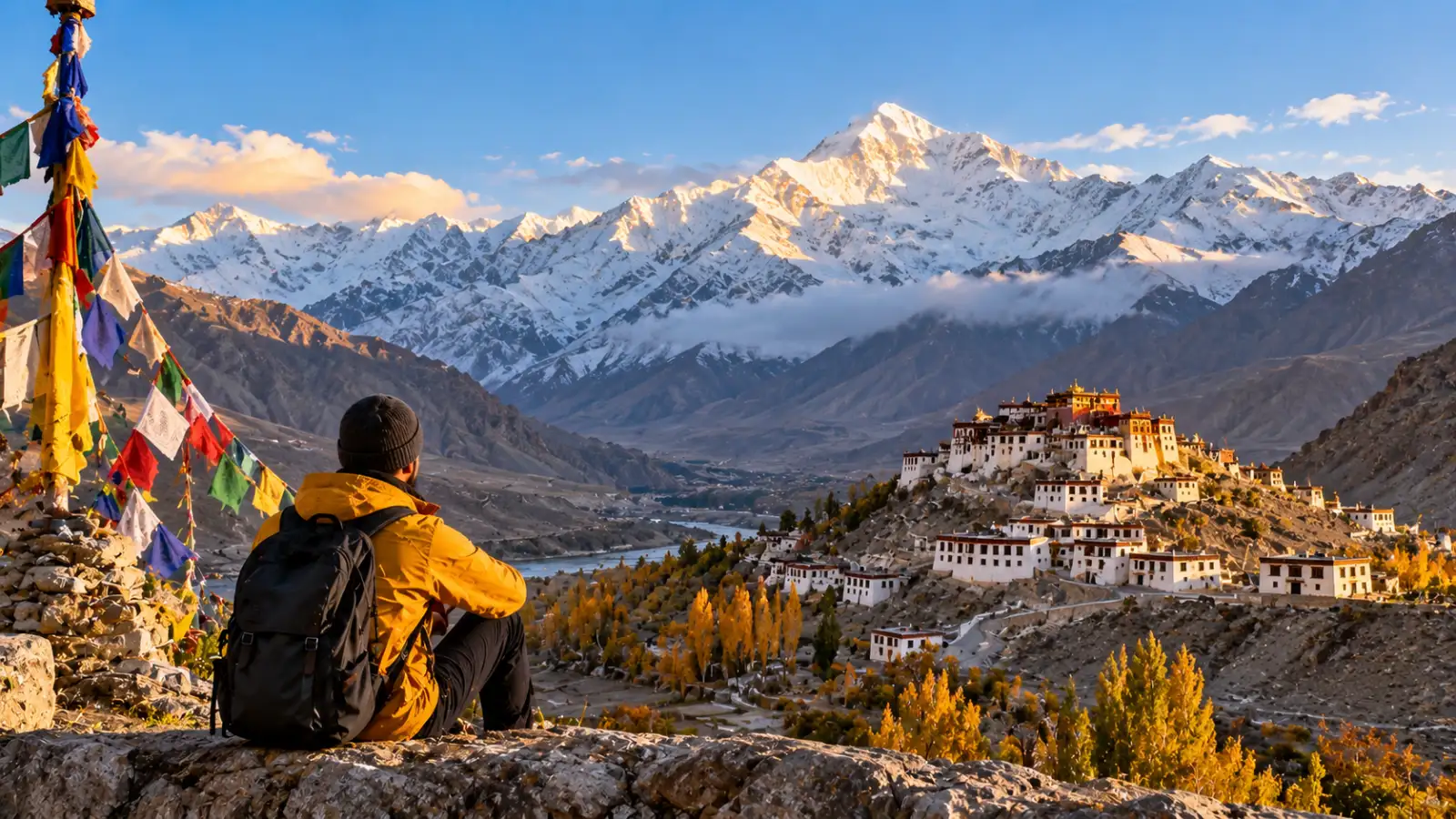
The landscape is stark rather than traditionally green, with barren mountains, monasteries and high-altitude valleys creating a dramatic setting.
The valley's remote monasteries and rugged mountains make it particularly appealing to experienced travellers, although road and weather conditions need careful planning.
Later in the season, snowfall transforms the area into a skiing destination, while the surrounding peaks provide spectacular views.
Its transformation from green summer landscape to snow-covered ski destination is one of the most striking seasonal changes in the Himalayas. India's tourism portal lists Gulmarg among its major winter destinations.
Autumn is often a useful period to experience the landscape before deeper winter conditions make travel more demanding.
The village is surrounded by Himalayan peaks and apple-growing areas, creating an interesting combination of agriculture and high-altitude geography.
The town is also an important base for exploring the wider Kashmir region.
Early winter is not simply about finding the coldest place in India. It is about understanding how altitude, geography and local climate shape the country's seasons. A traveller leaving a warm city in October can reach a Himalayan destination where evenings already feel unmistakably wintry. That contrast is one of India's most fascinating travel experiences.
Leh, Ladakh
Leh begins cooling considerably as autumn progresses. Its high elevation means temperatures can drop rapidly after sunset, even when daytime conditions remain relatively pleasant.The landscape is stark rather than traditionally green, with barren mountains, monasteries and high-altitude valleys creating a dramatic setting.
Spiti Valley, Himachal Pradesh
Spiti experiences an early transition towards winter because of its altitude and cold desert climate. By late autumn, nights can become extremely cold.The valley's remote monasteries and rugged mountains make it particularly appealing to experienced travellers, although road and weather conditions need careful planning.
Auli, Uttarakhand
Auli is one of India's best-known winter destinations, but the chill arrives well before peak winter. Its high Himalayan location gives it noticeably cooler conditions as autumn progresses.Later in the season, snowfall transforms the area into a skiing destination, while the surrounding peaks provide spectacular views.
Gulmarg, Jammu and Kashmir
Gulmarg's altitude means temperatures can fall quickly during autumn. The famous meadow gradually takes on a distinctly colder character before the heavy winter snow arrives.Its transformation from green summer landscape to snow-covered ski destination is one of the most striking seasonal changes in the Himalayas. India's tourism portal lists Gulmarg among its major winter destinations.
Tawang, Arunachal Pradesh
Tawang experiences cold conditions relatively early because of its elevation and location in the eastern Himalayas. The town is known for its enormous Buddhist monastery, mountain scenery and remote setting.Autumn is often a useful period to experience the landscape before deeper winter conditions make travel more demanding.
Kalpa, Himachal Pradesh
Kalpa in Kinnaur offers a quieter mountain experience. As autumn advances, temperatures fall quickly, particularly at night.The village is surrounded by Himalayan peaks and apple-growing areas, creating an interesting combination of agriculture and high-altitude geography.
Pahalgam, Jammu and Kashmir
Pahalgam's valley begins turning colder well before the plains. The transition is especially noticeable in the evenings, when temperatures drop and the surrounding mountains take on a more wintry appearance.The town is also an important base for exploring the wider Kashmir region.
Early winter is not simply about finding the coldest place in India. It is about understanding how altitude, geography and local climate shape the country's seasons. A traveller leaving a warm city in October can reach a Himalayan destination where evenings already feel unmistakably wintry. That contrast is one of India's most fascinating travel experiences.
Next Story