
7 Strange Things Dogs Do That Actually Have a Reason

Dogs have a funny way of making everyday life entertaining. They may suddenly spin around before lying down, sniff the same spot for what seems like forever or tilt their head when you speak to them. Some dogs chase their tails, roll around on the grass or bark at seemingly empty spaces.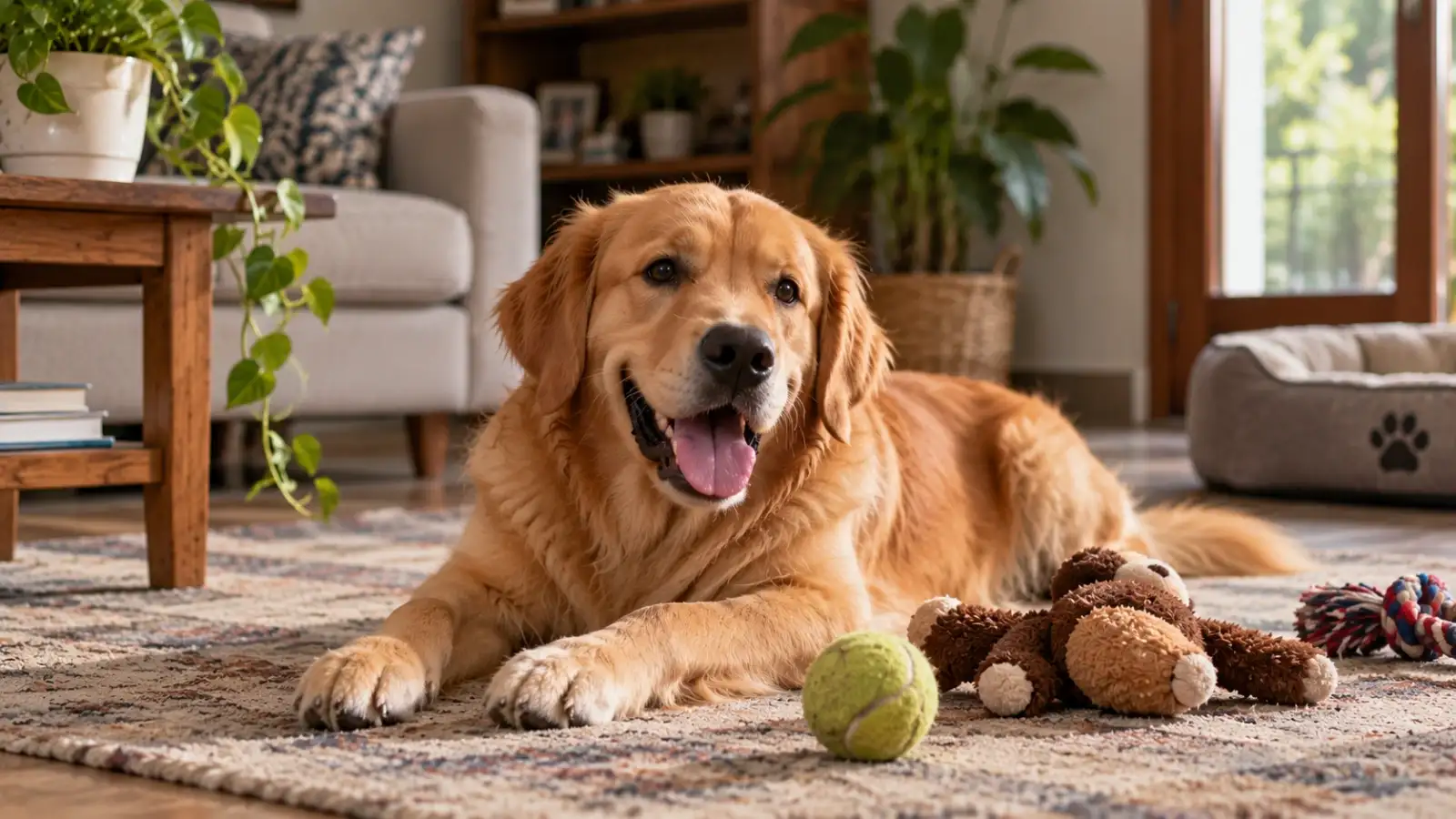
While these habits can look amusing or completely mysterious to us, many of them have a perfectly understandable reason. Dogs experience the world differently from humans, relying heavily on their noses, ears and instincts. Some behaviours also come from their wild ancestors, while others develop through learning and everyday experiences.
Here are seven strange things dogs do and the reasons that may explain them.
One explanation comes from the behaviour of wild canids. Before resting, their ancestors may have moved around an area to check their surroundings and create a comfortable place to sleep. Walking in circles could also help flatten grass or other vegetation.
Domestic dogs no longer need to prepare a sleeping spot in this way, especially when they have a soft bed waiting for them. However, some instinctive behaviours can remain even after their original purpose has disappeared.
A dog may also circle simply because it has developed the habit or is trying to find the most comfortable position.
There is no single explanation for every head tilt. Dogs may be trying to locate the source of a sound or pay closer attention to something they find interesting. Their head position can also change how they hear or see something.
Dogs are also very good at learning which behaviours get a reaction from humans. If tilting the head makes their owner smile, talk to them or give them attention, the dog may learn that the behaviour is rewarding.
So that cute head tilt can involve curiosity, attention and communication.
A dog's sense of smell is extraordinarily important. When a dog stops to sniff a tree, wall, patch of grass or another dog's trail, it may be gathering information about its surroundings.
Scent can tell dogs about other animals and what has recently happened in an area. This is why rushing a dog through every sniff during a walk can take away an important part of how it explores the world.
Allowing dogs some time to sniff can make walks more interesting and mentally stimulating for them.
Young dogs may chase their tails as part of play and exploration. They are discovering their own bodies and learning how different movements work.
Some dogs may also chase their tails because they are bored and looking for something entertaining to do. If the behaviour happens very frequently or becomes difficult for the dog to stop, however, it may be worth paying attention to what is triggering it.
A sudden increase in repetitive behaviour can sometimes be associated with discomfort, stress or another issue, so unusual changes in behaviour should not simply be dismissed as a funny habit.
Rolling around may be a form of play or simply feel pleasant. Dogs may also be interested in the smells present in the grass. Since scent is such an important part of their world, a strong or unusual smell can attract their attention.
Some theories suggest that rolling may also have roots in ancestral behaviour, although the exact reason can differ between individual dogs.
If your dog repeatedly rolls in something unpleasant, it may simply be following its nose rather than deliberately trying to make your life difficult.
Dogs have much sharper hearing than humans and can detect sounds that are too faint or distant for us to notice. They can also pick up scents and movements that escape our attention.
So when a dog appears to be barking at nothing, there may actually be something there that the human senses cannot detect. A distant noise, an animal outside or movement behind a wall can catch a dog's attention.
Barking can also be a learned response. If a dog has previously barked at a particular sound or situation, it may repeat the behaviour when something similar happens.
These energetic bursts are often a normal way for dogs to release excitement or pent-up energy. They can happen after play, bathing, waking up or experiencing an exciting event.
Young dogs tend to have plenty of energy, but older dogs can experience zoomies too.
As long as the surroundings are safe, these short bursts of activity are usually nothing to worry about. It is a good idea to remove objects that could cause the dog to slip, fall or knock something over.
Dogs are social animals, and staying close to familiar people can provide comfort and security. Over time, dogs also learn that following their owners can lead to interesting things such as walks, food, play or attention.
For some dogs, it is simply part of their personality. They enjoy being around their favourite humans.
However, if a dog becomes extremely distressed whenever it is separated from its owner, that is different from ordinary companionship and may require additional attention.
Dogs do not experience the world exactly as humans do. Their powerful sense of smell, sensitive hearing, instincts and social nature all influence how they behave.
Once you understand these differences, those odd little habits can become much easier to appreciate. The next time your dog spins before lying down, tilts its head or suddenly races through the house, there may be more behind the behaviour than simple silliness.
While these habits can look amusing or completely mysterious to us, many of them have a perfectly understandable reason. Dogs experience the world differently from humans, relying heavily on their noses, ears and instincts. Some behaviours also come from their wild ancestors, while others develop through learning and everyday experiences.
Here are seven strange things dogs do and the reasons that may explain them.
Why do dogs spin before lying down ?
If your dog walks in a small circle several times before settling down, you are certainly not alone. This behaviour can look like a little bedtime ritual.One explanation comes from the behaviour of wild canids. Before resting, their ancestors may have moved around an area to check their surroundings and create a comfortable place to sleep. Walking in circles could also help flatten grass or other vegetation.
Domestic dogs no longer need to prepare a sleeping spot in this way, especially when they have a soft bed waiting for them. However, some instinctive behaviours can remain even after their original purpose has disappeared.
A dog may also circle simply because it has developed the habit or is trying to find the most comfortable position.
Why do dogs tilt their heads?
The famous head tilt is one of the behaviours that dog owners find particularly adorable. A dog may suddenly tilt its head when it hears an unfamiliar sound or when you speak in an interesting tone.There is no single explanation for every head tilt. Dogs may be trying to locate the source of a sound or pay closer attention to something they find interesting. Their head position can also change how they hear or see something.
Dogs are also very good at learning which behaviours get a reaction from humans. If tilting the head makes their owner smile, talk to them or give them attention, the dog may learn that the behaviour is rewarding.
So that cute head tilt can involve curiosity, attention and communication.
Why do dogs sniff everything ?
For humans, a short walk can simply mean getting some fresh air. For a dog, it can be more like reading a giant collection of messages.A dog's sense of smell is extraordinarily important. When a dog stops to sniff a tree, wall, patch of grass or another dog's trail, it may be gathering information about its surroundings.
Scent can tell dogs about other animals and what has recently happened in an area. This is why rushing a dog through every sniff during a walk can take away an important part of how it explores the world.
Allowing dogs some time to sniff can make walks more interesting and mentally stimulating for them.
Why do dogs chase their tails?
Watching a dog chase its own tail can be hilarious, particularly when the dog seems determined to catch something that is permanently attached to it.Young dogs may chase their tails as part of play and exploration. They are discovering their own bodies and learning how different movements work.
Some dogs may also chase their tails because they are bored and looking for something entertaining to do. If the behaviour happens very frequently or becomes difficult for the dog to stop, however, it may be worth paying attention to what is triggering it.
A sudden increase in repetitive behaviour can sometimes be associated with discomfort, stress or another issue, so unusual changes in behaviour should not simply be dismissed as a funny habit.
Why do dogs roll around in grass?
A perfectly clean dog can sometimes find a patch of grass and immediately decide that getting covered in it is a wonderful idea.Rolling around may be a form of play or simply feel pleasant. Dogs may also be interested in the smells present in the grass. Since scent is such an important part of their world, a strong or unusual smell can attract their attention.
Some theories suggest that rolling may also have roots in ancestral behaviour, although the exact reason can differ between individual dogs.
If your dog repeatedly rolls in something unpleasant, it may simply be following its nose rather than deliberately trying to make your life difficult.
Why do dogs bark at nothing ?
Have you ever watched your dog suddenly stare towards a corner and start barking when you cannot see or hear anything?Dogs have much sharper hearing than humans and can detect sounds that are too faint or distant for us to notice. They can also pick up scents and movements that escape our attention.
So when a dog appears to be barking at nothing, there may actually be something there that the human senses cannot detect. A distant noise, an animal outside or movement behind a wall can catch a dog's attention.
Barking can also be a learned response. If a dog has previously barked at a particular sound or situation, it may repeat the behaviour when something similar happens.
Why do dogs suddenly zoom around the house?
The sudden burst of running known as the zoomies is familiar to many dog owners. One moment the dog is sitting calmly, and the next it is racing around the room at full speed.These energetic bursts are often a normal way for dogs to release excitement or pent-up energy. They can happen after play, bathing, waking up or experiencing an exciting event.
Young dogs tend to have plenty of energy, but older dogs can experience zoomies too.
As long as the surroundings are safe, these short bursts of activity are usually nothing to worry about. It is a good idea to remove objects that could cause the dog to slip, fall or knock something over.
Why do dogs follow you everywhere?
Some dogs seem determined to accompany their owners everywhere, even when the journey is only from the sofa to the kitchen.Dogs are social animals, and staying close to familiar people can provide comfort and security. Over time, dogs also learn that following their owners can lead to interesting things such as walks, food, play or attention.
For some dogs, it is simply part of their personality. They enjoy being around their favourite humans.
However, if a dog becomes extremely distressed whenever it is separated from its owner, that is different from ordinary companionship and may require additional attention.
Dogs are communicating in their own way
Many of the behaviours that seem strange to us make more sense when viewed from a dog's perspective. Sniffing is a way of gathering information, barking can be a response to sounds we cannot detect and zoomies can be a release of energy.Dogs do not experience the world exactly as humans do. Their powerful sense of smell, sensitive hearing, instincts and social nature all influence how they behave.
Once you understand these differences, those odd little habits can become much easier to appreciate. The next time your dog spins before lying down, tilts its head or suddenly races through the house, there may be more behind the behaviour than simple silliness.
Next Story