
8 Beautiful Indian Road Trips to Take When the Monsoon Transforms the Landscape

There is something special about travelling through India just after the monsoon. The dusty landscapes of summer give way to green hills, overflowing streams and forests that seem to stretch endlessly towards the horizon. On certain routes, the journey becomes as memorable as the destination itself. Winding mountain roads, coastal highways and countryside trails reveal a side of India that is easy to miss during the rest of the year. From the dramatic Western Ghats to the misty roads of Meghalaya, these scenic Indian roads offer unforgettable experiences for road-trip enthusiasts. However, the same rains that create beautiful views can also bring landslides and challenging driving conditions.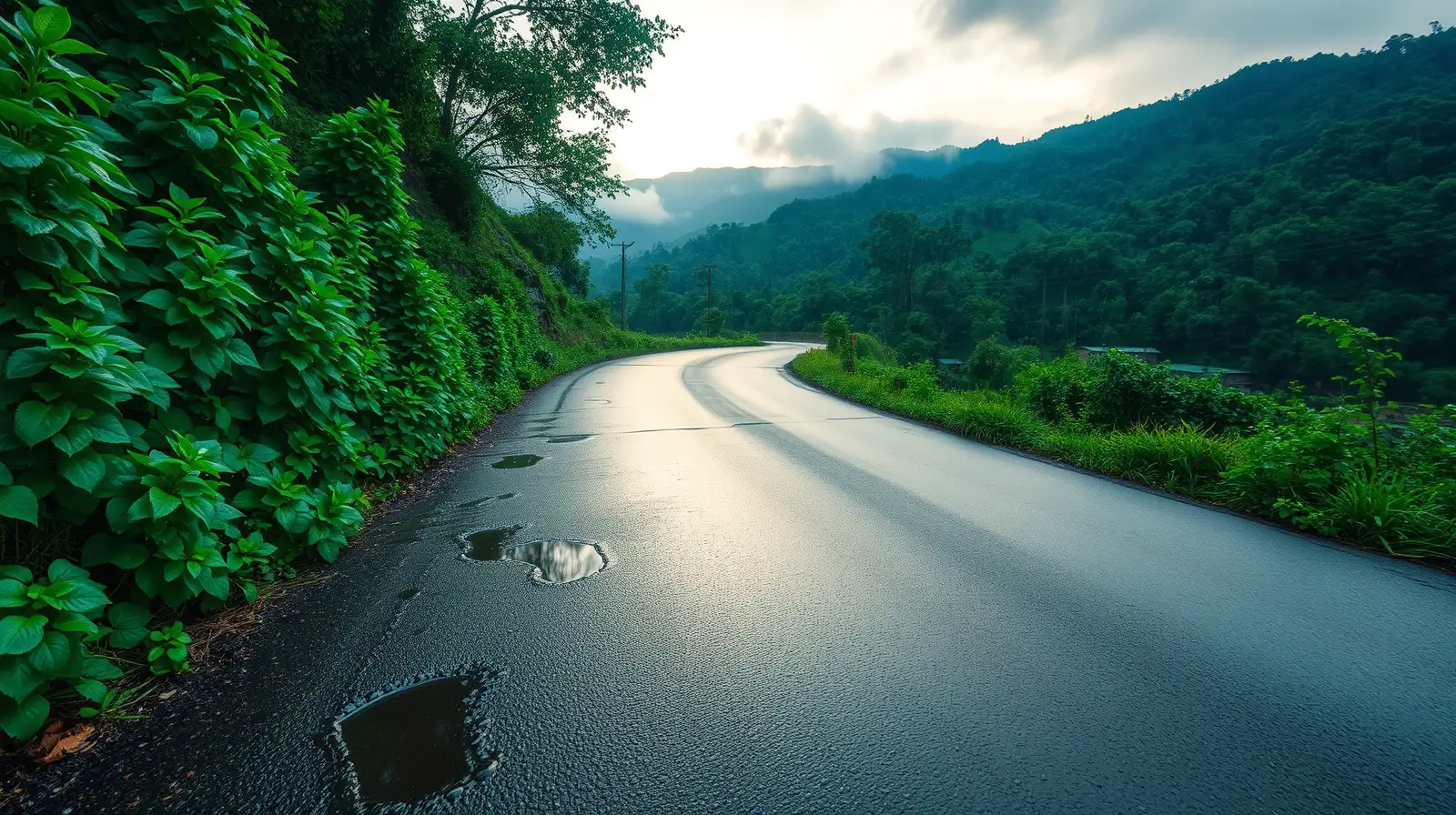
After the monsoon, the landscape often becomes intensely green, with streams flowing through the countryside and rice fields adding colour to the scenery.
Travellers can take breaks at coastal towns such as Ratnagiri and Ganpatipule, where beaches, local food and historic sites offer opportunities to explore beyond the highway.
The route can be busy in places, so drivers should plan stops carefully.
Following the monsoon, the Western Ghats often appear particularly vibrant. The journey becomes more scenic as travellers approach the coffee plantations around Chikmagalur.
The region's coffee history dates back several centuries, with cultivation traditionally associated with Baba Budan, who is believed to have introduced coffee plants to the area in the 17th century.
As the monsoon begins to retreat, the surrounding vegetation remains lush, while mist often hangs over the hills.
The journey provides access to destinations such as Umiam Lake and Shillong. Travellers should remain alert, as heavy rainfall can affect visibility and road conditions.
Meghalaya's landscape also reflects the region's distinctive relationship with forests, agriculture and rainfall.
During the period when the route is open, travellers encounter dramatic mountains, high mountain passes and vast landscapes that change rapidly with elevation.
Late summer can offer access to parts of this route, but September conditions can become unpredictable. Snowfall, road closures and difficult terrain are genuine possibilities.
Travellers should check official advisories and avoid treating the journey as a casual drive.
Following the monsoon, the hills around Wai and Panchgani can appear especially attractive, with valleys, forested slopes and seasonal streams along the way.
Mahabaleshwar is also known for its strawberry cultivation, which has played an important role in the local economy.
The route is suitable for a short road trip, although bends and wet surfaces require careful driving.
As the rains ease, the landscape often features bright green plantations, misty valleys and streams running alongside the roads.
Munnar's tea industry developed significantly during the colonial period, and its plantations remain central to the region's identity.
Travellers should be prepared for occasional rain, fog and traffic near popular viewpoints.
After the monsoon, the hills can appear particularly green, although cloud cover may obscure views of the Himalayan peaks.
The journey passes through landscapes shaped by steep terrain and seasonal rainfall. Landslides can occasionally disrupt travel, so checking road conditions is essential.
The surrounding region also provides opportunities to explore Sikkim's monasteries and cultural heritage.
The route includes stretches near Bandipur and Mudumalai, where travellers may encounter wildlife habitats and dense vegetation.
After the monsoon, the hills can look especially fresh, with greener forests and cooler conditions at higher elevations.
Drivers must follow speed restrictions and wildlife-crossing rules in protected areas. Stopping or feeding animals along the route is unsafe and discouraged.
Before setting out, check weather forecasts, road conditions and local travel advisories. Keep emergency supplies in the vehicle, avoid driving through flooded stretches and allow extra time for unexpected delays.
Responsible driving also helps protect local communities and wildlife.
1. Mumbai to Goa via the Konkan Coast
The Konkan region is famous for its lush hills, coconut groves, coastal villages and winding roads.After the monsoon, the landscape often becomes intensely green, with streams flowing through the countryside and rice fields adding colour to the scenery.
Travellers can take breaks at coastal towns such as Ratnagiri and Ganpatipule, where beaches, local food and historic sites offer opportunities to explore beyond the highway.
The route can be busy in places, so drivers should plan stops carefully.
2. Bengaluru to Chikmagalur, Karnataka
The road from Bengaluru towards Chikmagalur passes through changing landscapes, including agricultural areas, forested hills and coffee-growing regions.Following the monsoon, the Western Ghats often appear particularly vibrant. The journey becomes more scenic as travellers approach the coffee plantations around Chikmagalur.
The region's coffee history dates back several centuries, with cultivation traditionally associated with Baba Budan, who is believed to have introduced coffee plants to the area in the 17th century.
3. Guwahati to Shillong, Meghalaya
The road connecting Guwahati and Shillong offers a scenic introduction to the hills of Meghalaya.As the monsoon begins to retreat, the surrounding vegetation remains lush, while mist often hangs over the hills.
The journey provides access to destinations such as Umiam Lake and Shillong. Travellers should remain alert, as heavy rainfall can affect visibility and road conditions.
Meghalaya's landscape also reflects the region's distinctive relationship with forests, agriculture and rainfall.
4. Manali to Leh, Himachal Pradesh and Ladakh
The Manali-Leh route is one of India's most famous high-altitude road journeys.During the period when the route is open, travellers encounter dramatic mountains, high mountain passes and vast landscapes that change rapidly with elevation.
Late summer can offer access to parts of this route, but September conditions can become unpredictable. Snowfall, road closures and difficult terrain are genuine possibilities.
Travellers should check official advisories and avoid treating the journey as a casual drive.
5. Pune to Mahabaleshwar, Maharashtra
The road from Pune to Mahabaleshwar passes through the green landscapes of the Western Ghats.Following the monsoon, the hills around Wai and Panchgani can appear especially attractive, with valleys, forested slopes and seasonal streams along the way.
Mahabaleshwar is also known for its strawberry cultivation, which has played an important role in the local economy.
The route is suitable for a short road trip, although bends and wet surfaces require careful driving.
6. Kochi to Munnar, Kerala
The journey from Kochi to Munnar takes travellers from the coastal plains into the tea-growing hills of Kerala.As the rains ease, the landscape often features bright green plantations, misty valleys and streams running alongside the roads.
Munnar's tea industry developed significantly during the colonial period, and its plantations remain central to the region's identity.
Travellers should be prepared for occasional rain, fog and traffic near popular viewpoints.
7. Gangtok to Pelling, Sikkim
The route between Gangtok and Pelling offers views of mountain valleys, forests and traditional settlements.After the monsoon, the hills can appear particularly green, although cloud cover may obscure views of the Himalayan peaks.
The journey passes through landscapes shaped by steep terrain and seasonal rainfall. Landslides can occasionally disrupt travel, so checking road conditions is essential.
The surrounding region also provides opportunities to explore Sikkim's monasteries and cultural heritage.
8. Bengaluru to Ooty via Mysuru
The journey from Bengaluru to Ooty passes through Mysuru and the forested landscapes of the Nilgiris.You may also like
- Full Schedule Released for New Delhi-Darbhanga Special Train: A Gift for Those Heading Home for Chhath
- Attention ESIC Beneficiaries: Linking Aadhaar to Your Card Now Mandatory for Benefits – New Rules Announced
- Interest rates have risen in Japan; how will this affect the cost of loans for India's bullet train and metro projects?
- No email ID on your Aadhaar card? Work from home, without the ₹75 fee
- Meet Ishtiaq Ali: 85-year-old artist from Lucknow who carves Hindu gods on living trees without harming them; “When I sleep, I see Devi-Devtas…”
The route includes stretches near Bandipur and Mudumalai, where travellers may encounter wildlife habitats and dense vegetation.
After the monsoon, the hills can look especially fresh, with greener forests and cooler conditions at higher elevations.
Drivers must follow speed restrictions and wildlife-crossing rules in protected areas. Stopping or feeding animals along the route is unsafe and discouraged.
Why Monsoon Road Trips Require Careful Planning
The beauty of post-monsoon roads comes with certain risks. Landslides, potholes, reduced visibility and slippery surfaces can make mountain driving hazardous.Before setting out, check weather forecasts, road conditions and local travel advisories. Keep emergency supplies in the vehicle, avoid driving through flooded stretches and allow extra time for unexpected delays.
Responsible driving also helps protect local communities and wildlife.






Loving Newspoint? Download the app now
