
8 Common Cooking Mistakes That Ruin Your Food and How Science Can Fix Them

Cooking is more than following a recipe - it’s a blend of chemistry, heat, and timing. Many of the dishes that turn out bland, soggy, or burnt aren’t a matter of luck - they’re a result of small, avoidable mistakes. Understanding the science behind these errors can instantly improve the taste, texture, and aroma of your meals.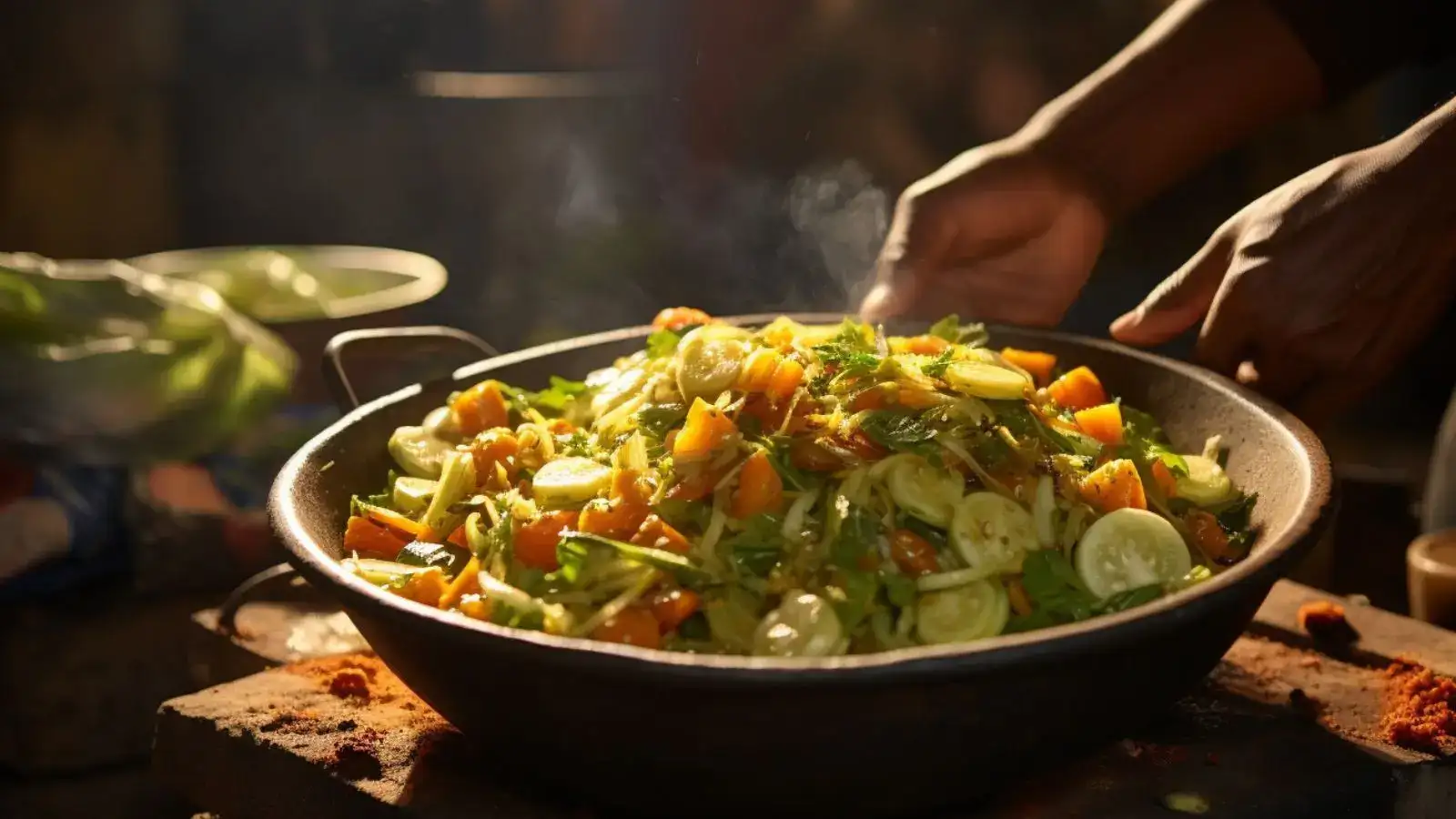
1. Overcrowding the Pan Dulls Flavour
Placing too much food in a pan at once lowers its temperature. Instead of browning, the ingredients steam. This prevents the Maillard reaction - the chemical process responsible for creating that golden, flavourful crust on meat and vegetables. Keep space between items for the best sear.
2. Skipping Proper Preheating
Throwing ingredients into a cold pan or oven can ruin texture. Heat must stabilise before cooking begins. Proteins may cook unevenly, and vegetables release excess water, making them soggy rather than crisp. Preheating ensures food cooks evenly and locks in flavor.
3. Salt at the Wrong Time
Salt isn’t just a seasoning - it affects moisture. Adding it too early on vegetables draws out water, causing limp results. Conversely, salting meat in advance retains moisture and boosts taste. Learning when to season is as important as how much you use.
4. Using High Heat Constantly
High heat isn’t always better. It can char the outside while leaving the inside undercooked, destroy delicate nutrients, and produce bitter flavours from over-caramelisation. Each dish has its ideal heat level; understanding this balance is key.
5. Constantly Stirring and Flipping
It feels natural to keep stirring, but over-handling food prevents it from developing colour and depth of flavour. Allow ingredients time to sit on the heat, forming a rich texture and taste naturally.
6. Ignoring Resting Time
Cutting meat, rice, or other dishes immediately after cooking releases moisture, leaving food dry. Resting allows juices to redistribute, resulting in more tender, flavourful meals.
7. Using Cold Ingredients
Adding chilled ingredients straight from the fridge lowers pan temperature, causing uneven cooking. Bringing meat, eggs, or vegetables to room temperature ensures consistent cooking and better texture.
8. Overcooking Vegetables
Overcooked vegetables lose their crunch, colour, and natural sweetness. Heat-sensitive nutrients like vitamin C are destroyed quickly, making dishes less nutritious and visually appealing. Quick cooking methods help preserve both flavour and nutrients.
Cooking is a science of small details. Mastering heat, timing, and seasoning transforms simple meals into extraordinary dishes. Even without premium ingredients, understanding these key mistakes can make every bite more delicious and satisfying.
1. Overcrowding the Pan Dulls Flavour
Placing too much food in a pan at once lowers its temperature. Instead of browning, the ingredients steam. This prevents the Maillard reaction - the chemical process responsible for creating that golden, flavourful crust on meat and vegetables. Keep space between items for the best sear.
2. Skipping Proper Preheating
Throwing ingredients into a cold pan or oven can ruin texture. Heat must stabilise before cooking begins. Proteins may cook unevenly, and vegetables release excess water, making them soggy rather than crisp. Preheating ensures food cooks evenly and locks in flavor.
3. Salt at the Wrong Time
Salt isn’t just a seasoning - it affects moisture. Adding it too early on vegetables draws out water, causing limp results. Conversely, salting meat in advance retains moisture and boosts taste. Learning when to season is as important as how much you use.
4. Using High Heat Constantly
High heat isn’t always better. It can char the outside while leaving the inside undercooked, destroy delicate nutrients, and produce bitter flavours from over-caramelisation. Each dish has its ideal heat level; understanding this balance is key.
5. Constantly Stirring and Flipping
It feels natural to keep stirring, but over-handling food prevents it from developing colour and depth of flavour. Allow ingredients time to sit on the heat, forming a rich texture and taste naturally.
6. Ignoring Resting Time
Cutting meat, rice, or other dishes immediately after cooking releases moisture, leaving food dry. Resting allows juices to redistribute, resulting in more tender, flavourful meals.
7. Using Cold Ingredients
Adding chilled ingredients straight from the fridge lowers pan temperature, causing uneven cooking. Bringing meat, eggs, or vegetables to room temperature ensures consistent cooking and better texture.
8. Overcooking Vegetables
Overcooked vegetables lose their crunch, colour, and natural sweetness. Heat-sensitive nutrients like vitamin C are destroyed quickly, making dishes less nutritious and visually appealing. Quick cooking methods help preserve both flavour and nutrients.
Cooking is a science of small details. Mastering heat, timing, and seasoning transforms simple meals into extraordinary dishes. Even without premium ingredients, understanding these key mistakes can make every bite more delicious and satisfying.
Next Story