
8 Foods to Help You Meet Your Fibre Goals Without Vegetables

Struggling to hit your daily fibre intake because you don’t enjoy vegetables? You’re not alone. The good news is that there are plenty of high-fibre foods without vegetables that can help you stay on track. From fruits and seeds to legumes and whole grains, you can easily boost digestion and overall health without loading your plate with greens.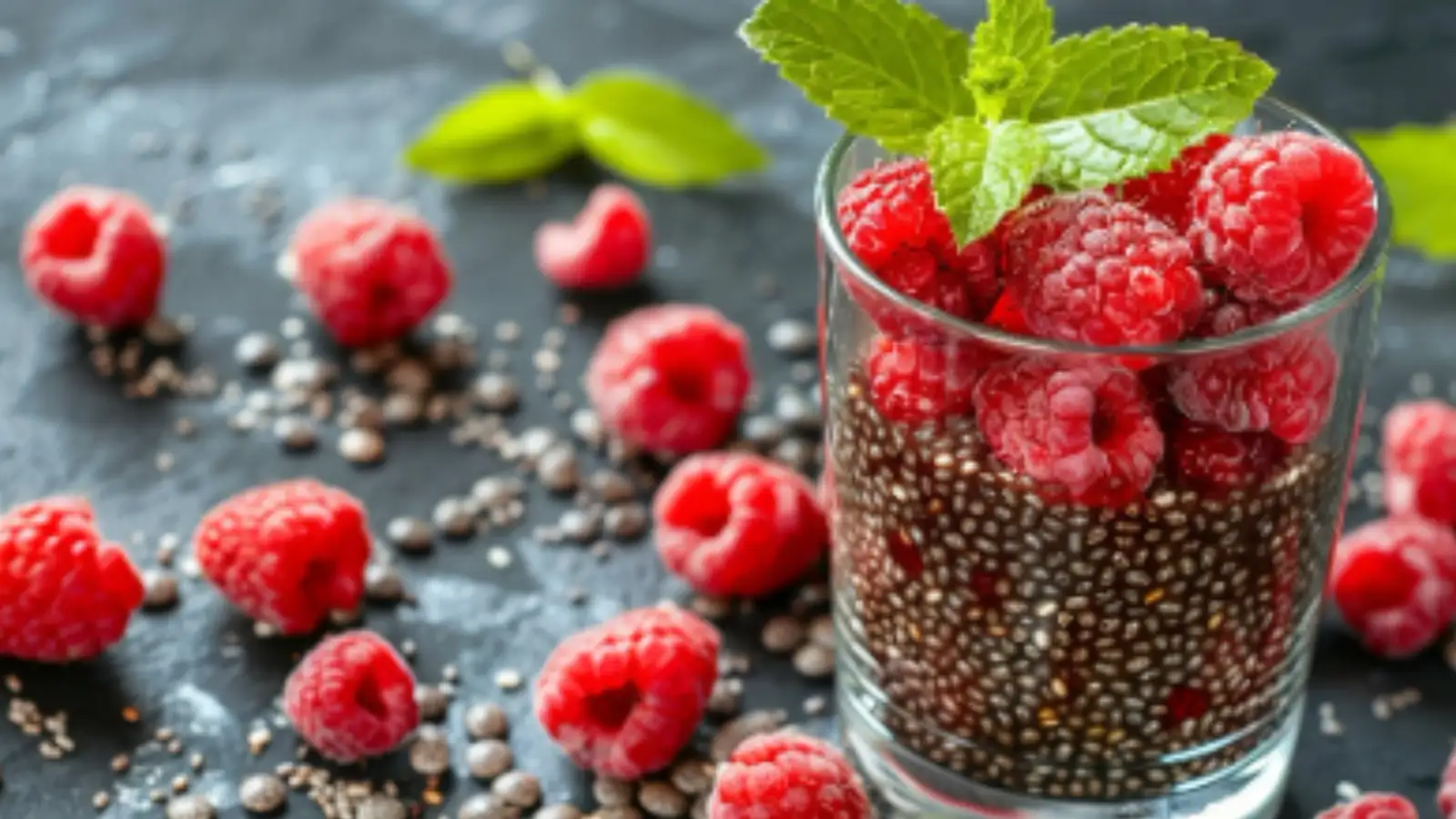
Here are eight fibre-rich foods that make meeting your daily goals simple and delicious.
1. Raspberries: Tiny Berries, Big Fibre Boost
Raspberries may be small, but they deliver impressive nutrition. One cup offers around 8 grams of fibre, making them one of the most fibre-dense fruits available.
They are perfect as a quick snack, blended into smoothies, or sprinkled over yoghurt. Along with fibre, raspberries are packed with antioxidants and essential vitamins that support heart health and smooth digestion.
2. Chia Seeds: Small Seeds With Massive Fibre
Just two tablespoons of chia seeds provide nearly 10 grams of fibre. When soaked in liquid, they form a gel-like texture, making them ideal for puddings, smoothies, or even stirred into water.
They are especially rich in soluble fibre, which helps improve gut health and keeps you feeling fuller for longer.
3. Lentils: A Protein and Fibre Powerhouse
Lentils are one of the easiest ways to increase fibre intake without vegetables. A single cooked cup contains roughly 15 grams of fibre.
They are incredibly filling and can be used in soups, stews, or simple lentil bowls. Their high protein content also makes them a satisfying plant-based option for long-lasting energy.
4. Chickpeas: Versatile and Fibre-Rich
Also known as garbanzo beans, chickpeas offer about 12 grams of fibre per cup.
Blend them into creamy hummus, toss them into salads, or roast them with spices for a crunchy snack. They are an effortless addition to meals when you want to boost fibre without relying on vegetables.
5. Pears: Naturally Sweet and Fibre-Packed
A medium pear contains around 6 grams of fibre, most of which is found in the skin.
Pears are often sweeter and slightly higher in fibre compared to apples. Enjoy them fresh, sliced with nut butter, or diced into breakfast bowls for a naturally sweet fibre upgrade.
6. Black Beans: Hearty and Filling
Black beans deliver approximately 15 grams of fibre per cooked cup, making them a nutritional heavyweight.
They work well in burritos, soups, rice bowls, and even healthier dessert recipes. Thanks to their high protein content, black beans are also a great alternative to meat in many dishes.
7. Oats: A Smart Way to Start the Day
A bowl of oatmeal provides about 4 grams of fibre per serving. Oats are rich in beta-glucan, a type of soluble fibre known to support heart health and help lower cholesterol levels.
Top your oats with fruits, seeds, or nuts for an even greater fibre boost at breakfast.
8. Avocados: Creamy, Filling and Fibre-Dense
Although often treated like a vegetable, avocado is actually a fruit - and a fibre-rich one at that. A single avocado contains approximately 10 to 13 grams of fibre.
Its mix of healthy fats and fibre makes it incredibly satisfying. Spread it on toast, add it to smoothies, or enjoy it with a pinch of salt and lemon.
Meeting your daily fibre target doesn’t require forcing yourself to eat vegetables. With the right combination of fruits, legumes, seeds, and whole grains, you can comfortably reach your goals while enjoying your meals.
Adding these high-fibre foods without vegetables to your routine can support digestion, heart health, and long-lasting fullness - no greens required.
Here are eight fibre-rich foods that make meeting your daily goals simple and delicious.
1. Raspberries: Tiny Berries, Big Fibre Boost
Raspberries may be small, but they deliver impressive nutrition. One cup offers around 8 grams of fibre, making them one of the most fibre-dense fruits available.
They are perfect as a quick snack, blended into smoothies, or sprinkled over yoghurt. Along with fibre, raspberries are packed with antioxidants and essential vitamins that support heart health and smooth digestion.
2. Chia Seeds: Small Seeds With Massive Fibre
Just two tablespoons of chia seeds provide nearly 10 grams of fibre. When soaked in liquid, they form a gel-like texture, making them ideal for puddings, smoothies, or even stirred into water.
They are especially rich in soluble fibre, which helps improve gut health and keeps you feeling fuller for longer.
3. Lentils: A Protein and Fibre Powerhouse
Lentils are one of the easiest ways to increase fibre intake without vegetables. A single cooked cup contains roughly 15 grams of fibre.
They are incredibly filling and can be used in soups, stews, or simple lentil bowls. Their high protein content also makes them a satisfying plant-based option for long-lasting energy.
4. Chickpeas: Versatile and Fibre-Rich
Also known as garbanzo beans, chickpeas offer about 12 grams of fibre per cup.
Blend them into creamy hummus, toss them into salads, or roast them with spices for a crunchy snack. They are an effortless addition to meals when you want to boost fibre without relying on vegetables.
5. Pears: Naturally Sweet and Fibre-Packed
A medium pear contains around 6 grams of fibre, most of which is found in the skin.
Pears are often sweeter and slightly higher in fibre compared to apples. Enjoy them fresh, sliced with nut butter, or diced into breakfast bowls for a naturally sweet fibre upgrade.
6. Black Beans: Hearty and Filling
Black beans deliver approximately 15 grams of fibre per cooked cup, making them a nutritional heavyweight.
They work well in burritos, soups, rice bowls, and even healthier dessert recipes. Thanks to their high protein content, black beans are also a great alternative to meat in many dishes.
You may also like
- 'Sir, You're the Education Minister': Girl's Bold Reply to Speak in Hindi Demand Goes Viral
- Viral Video: 90-Year-Old Grandma Drives Like a Pro, Leaves Internet Inspired
- How are chapters in a book determined, and from whom does one need permission before changing them?
- The Disturbing Message Behind Influencer Advice on Masculinity
- Effective Home Remedies to Remove Moles and Warts Naturally
7. Oats: A Smart Way to Start the Day
A bowl of oatmeal provides about 4 grams of fibre per serving. Oats are rich in beta-glucan, a type of soluble fibre known to support heart health and help lower cholesterol levels.
Top your oats with fruits, seeds, or nuts for an even greater fibre boost at breakfast.
8. Avocados: Creamy, Filling and Fibre-Dense
Although often treated like a vegetable, avocado is actually a fruit - and a fibre-rich one at that. A single avocado contains approximately 10 to 13 grams of fibre.
Its mix of healthy fats and fibre makes it incredibly satisfying. Spread it on toast, add it to smoothies, or enjoy it with a pinch of salt and lemon.
Meeting your daily fibre target doesn’t require forcing yourself to eat vegetables. With the right combination of fruits, legumes, seeds, and whole grains, you can comfortably reach your goals while enjoying your meals.
Adding these high-fibre foods without vegetables to your routine can support digestion, heart health, and long-lasting fullness - no greens required.






More from our partners


Loving Newspoint? Download the app now
