
8 Lesser-Known Indian Cuisines Every Food Lover Should Try

India is a treasure trove of culinary diversity, and beyond the well-known biryanis, dosas, and street foods, there exist hidden Indian cuisines that few have explored. These regional food traditions offer unique flavors, ingredients, and cooking techniques that reflect India’s rich cultural tapestry. From the tangy curries of Coorg to the aromatic thalis of Gujarat, here are eight hidden Indian cuisines you must try.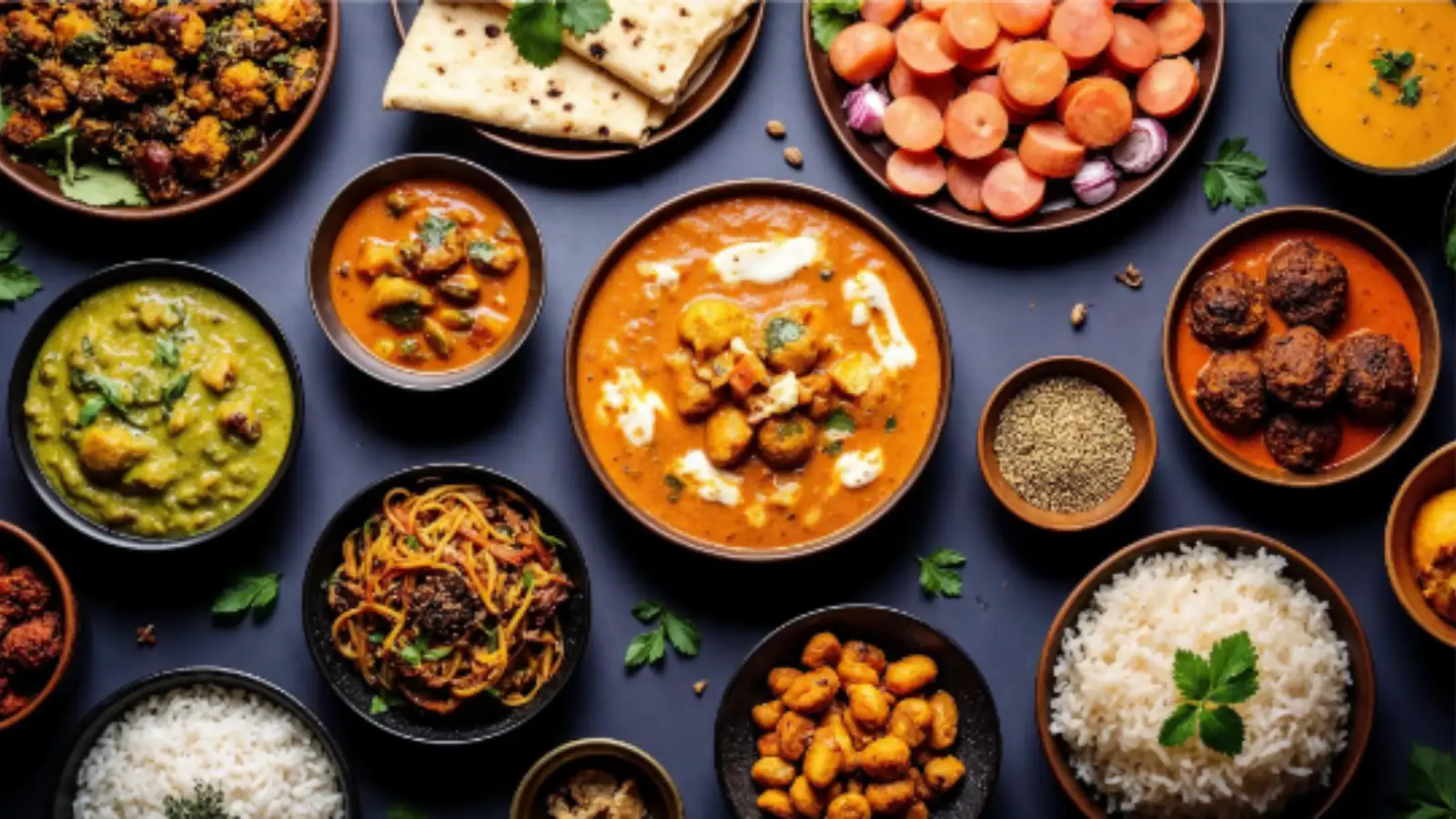
1. Kathiawadi Cuisine: Gujarat’s Spicy Thali Delight
While Gujarati snacks like dhokla and thepla are famous worldwide, Kathiawadi cuisine introduces a spicier twist. Originating from the Kathiawar peninsula, Kathiawadi thalis often start with buttermilk or lassi instead of the usual Aam Ras. Generous use of garlic and onion, along with hearty vegetarian dishes, makes this cuisine bold, flavorful, and unforgettable.
2. Dogri Cuisine : Wholesome Flavours from Jammu
Rooted in the Jammu region, Dogri cuisine is wholesome and nourishing. Staples include red kidney beans (Jammu rajma), aromatic basmati rice, and locally sourced dairy products like curd, butter, ghee, and cheese. With subtle yet robust flavours, this cuisine perfectly combines grains, vegetables, and milk-based ingredients for hearty, comforting meals.
3. Mappila Cuisine : Kerala’s Coastal Culinary Treasure
From Kerala’s Malabar coast, Mappila cuisine blends local flavours with Arab and Middle Eastern influences. Highlights include the iconic Tellicherry Biryani, delicate Pathiri flatbreads, and Puttu layered with meat or seafood. Coconut and rice form the base of many dishes, while spicy sides like Muttu Sirka provide a unique, rich taste of Kerala’s culinary heritage.
4. Kodava Cuisine : Coorg’s Forest-to-Table Tradition
In Karnataka’s Coorg region, Kodava cuisine celebrates fresh, seasonal ingredients from forests and paddy fields. Kachampuli, a tangy souring agent, is a signature ingredient in dishes like Pandi Curry. Rich in flavour and health benefits, Kodava cooking emphasizes foraged herbs, locally sourced meat, and a balance of spices, making every dish unique and deeply satisfying.
5. Khandeshi Cuisine : Spices and Royal Influence
Khandeshi cuisine from Maharashtra reflects the influence of the Faruqi and Maratha empires. Known for bold, spicy dishes, it uses saffron, cardamom, and cinnamon in curries and biryanis. Goat meat often takes center stage in traditional meals, accompanied by rich gravies and kebabs. Each dish tells a story of royal indulgence combined with rustic local flavours.
6. Garo Cuisine : Meghalaya’s Tribal Flavours
The Garos of Meghalaya rely on locally grown grains, meat, and forest produce. Rice, millet, maize, and tapioca form the staples, while chicken, pork, fish, and even crabs feature prominently. Meals often incorporate medicinal herbs and are served with steamed vegetables or sticky rice in banana leaves, reflecting the region’s natural, earthy culinary traditions.
7. Tuluva Cuisine : Mangalorean Non-Vegetarian Specialties
Predominantly non-vegetarian, Tuluva cuisine from coastal Karnataka focuses on seafood and meat. Signature dishes include Kori Rotti, Chicken Sukka, Neer Dosa, and Bangude Pulimunchi. Cooking involves coconut oil, freshly ground masalas, and the unique “sukka” technique - cooking ingredients with roasted coconut until semi-dry for concentrated, intense flavours.
8. Kumaoni Cuisine : Rustic Pahadi Flavors of Uttarakhand
Hidden in the mountains of Uttarakhand, Kumaoni cuisine showcases simple yet flavourful meals. Fresh, locally grown vegetables, grains, and herbs form the backbone of dishes. While mainstream hotels may serve North Indian or Continental food, local eateries and home stays in Kumaon offer authentic pahadi delicacies with rustic, earthy tastes that celebrate the region’s natural bounty.
Explore Hidden Indian Cuisines
India’s culinary landscape is far more than just its popular dishes. From the spicy thalis of Kathiawar to the coastal delicacies of Mangalore, these hidden Indian cuisines offer a feast for the senses, preserving regional traditions and introducing food lovers to flavors they’ve likely never encountered before.
1. Kathiawadi Cuisine: Gujarat’s Spicy Thali Delight
While Gujarati snacks like dhokla and thepla are famous worldwide, Kathiawadi cuisine introduces a spicier twist. Originating from the Kathiawar peninsula, Kathiawadi thalis often start with buttermilk or lassi instead of the usual Aam Ras. Generous use of garlic and onion, along with hearty vegetarian dishes, makes this cuisine bold, flavorful, and unforgettable.
2. Dogri Cuisine : Wholesome Flavours from Jammu
Rooted in the Jammu region, Dogri cuisine is wholesome and nourishing. Staples include red kidney beans (Jammu rajma), aromatic basmati rice, and locally sourced dairy products like curd, butter, ghee, and cheese. With subtle yet robust flavours, this cuisine perfectly combines grains, vegetables, and milk-based ingredients for hearty, comforting meals.
3. Mappila Cuisine : Kerala’s Coastal Culinary Treasure
From Kerala’s Malabar coast, Mappila cuisine blends local flavours with Arab and Middle Eastern influences. Highlights include the iconic Tellicherry Biryani, delicate Pathiri flatbreads, and Puttu layered with meat or seafood. Coconut and rice form the base of many dishes, while spicy sides like Muttu Sirka provide a unique, rich taste of Kerala’s culinary heritage.
4. Kodava Cuisine : Coorg’s Forest-to-Table Tradition
In Karnataka’s Coorg region, Kodava cuisine celebrates fresh, seasonal ingredients from forests and paddy fields. Kachampuli, a tangy souring agent, is a signature ingredient in dishes like Pandi Curry. Rich in flavour and health benefits, Kodava cooking emphasizes foraged herbs, locally sourced meat, and a balance of spices, making every dish unique and deeply satisfying.
5. Khandeshi Cuisine : Spices and Royal Influence
Khandeshi cuisine from Maharashtra reflects the influence of the Faruqi and Maratha empires. Known for bold, spicy dishes, it uses saffron, cardamom, and cinnamon in curries and biryanis. Goat meat often takes center stage in traditional meals, accompanied by rich gravies and kebabs. Each dish tells a story of royal indulgence combined with rustic local flavours.
6. Garo Cuisine : Meghalaya’s Tribal Flavours
The Garos of Meghalaya rely on locally grown grains, meat, and forest produce. Rice, millet, maize, and tapioca form the staples, while chicken, pork, fish, and even crabs feature prominently. Meals often incorporate medicinal herbs and are served with steamed vegetables or sticky rice in banana leaves, reflecting the region’s natural, earthy culinary traditions.
7. Tuluva Cuisine : Mangalorean Non-Vegetarian Specialties
Predominantly non-vegetarian, Tuluva cuisine from coastal Karnataka focuses on seafood and meat. Signature dishes include Kori Rotti, Chicken Sukka, Neer Dosa, and Bangude Pulimunchi. Cooking involves coconut oil, freshly ground masalas, and the unique “sukka” technique - cooking ingredients with roasted coconut until semi-dry for concentrated, intense flavours.
8. Kumaoni Cuisine : Rustic Pahadi Flavors of Uttarakhand
Hidden in the mountains of Uttarakhand, Kumaoni cuisine showcases simple yet flavourful meals. Fresh, locally grown vegetables, grains, and herbs form the backbone of dishes. While mainstream hotels may serve North Indian or Continental food, local eateries and home stays in Kumaon offer authentic pahadi delicacies with rustic, earthy tastes that celebrate the region’s natural bounty.
Explore Hidden Indian Cuisines
India’s culinary landscape is far more than just its popular dishes. From the spicy thalis of Kathiawar to the coastal delicacies of Mangalore, these hidden Indian cuisines offer a feast for the senses, preserving regional traditions and introducing food lovers to flavors they’ve likely never encountered before. Next Story