
8 Simple Ways to Make an Outdoor Sitting Area More Comfortable

An outdoor sitting area can easily become one of the most enjoyable parts of a home, but only if it feels comfortable enough to use. A beautiful chair is not much help when the afternoon sun is directly overhead, while even the best garden can feel uninviting if there is nowhere to put a drink or rest your feet. The good news is that creating a comfortable outdoor sitting area does not necessarily require expensive furniture or a major makeover. A few thoughtful changes involving shade, texture, lighting and layout can make an ordinary patio, balcony or garden corner feel considerably more welcoming.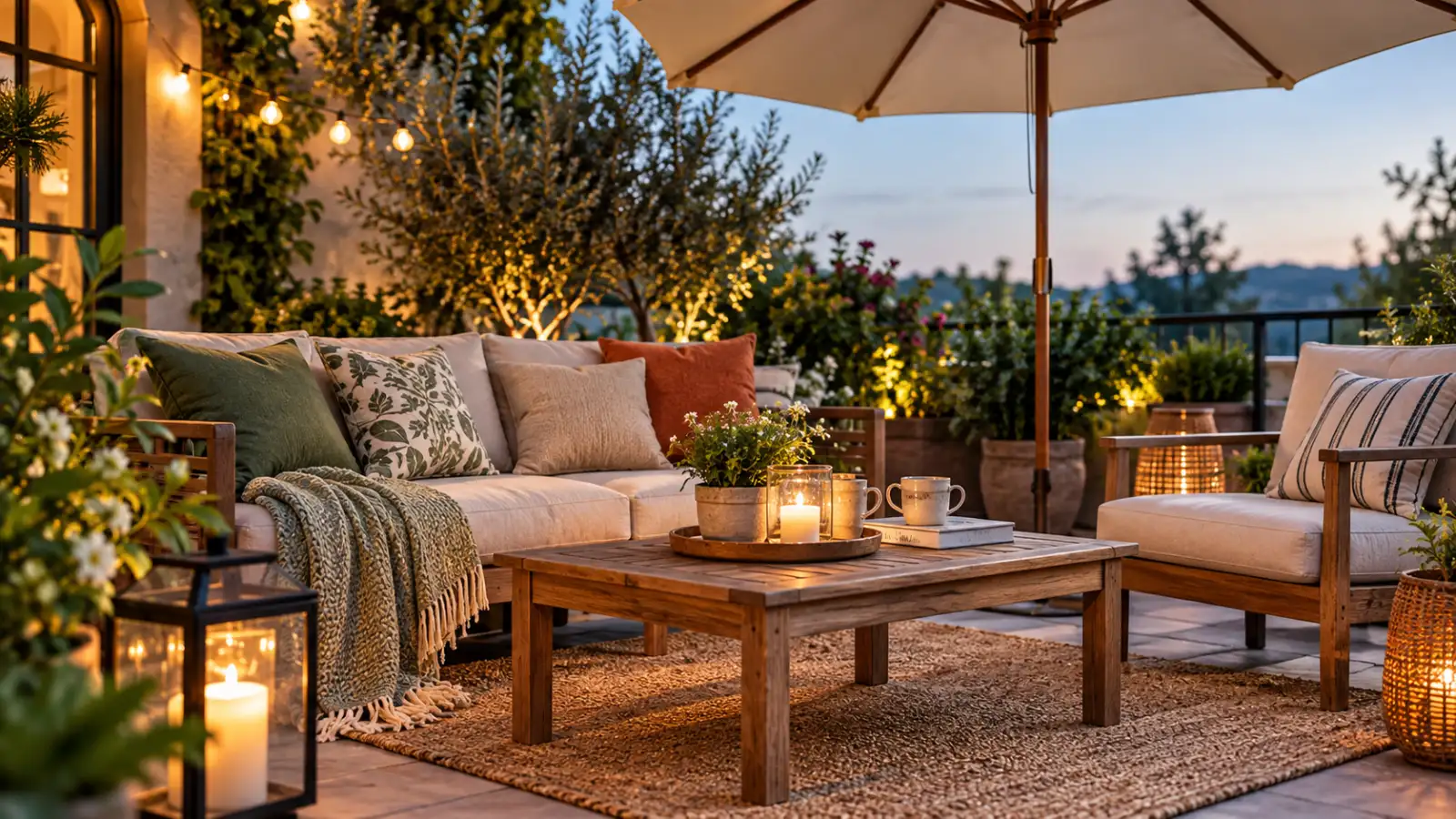
Look for fabrics designed for outdoor use, particularly if the seating is exposed to the elements. Removable covers are useful because they can be washed when dust, pollen or food marks build up.
Shade also helps protect cushions and furniture from excessive sunlight, potentially extending their useful life.
Even a sturdy stool or repurposed wooden crate can work if space is limited.
The psychological effect matters too. Familiar indoor-style textures can make an exposed space feel more settled and comfortable.
Soft lighting also helps define the sitting area after dark, giving the space a stronger sense of purpose.
The idea is not to overcrowd the area. A few carefully placed plants can be more effective than dozens of pots competing for attention.
It is a small detail, but comfortable feet can make people more willing to stay outside.
A comfortable outdoor sitting area is ultimately less about having the most expensive furniture and more about making the space work naturally.
The most inviting outdoor spaces rarely depend on one dramatic feature. They combine shade, softness, useful surfaces, greenery and thoughtful lighting. By improving these small details, even a modest outdoor corner can become somewhere you genuinely want to spend time.
Add Cushions for Immediate Comfort
Outdoor furniture is often designed to survive rain and sunlight rather than provide the same softness as indoor seating. Adding weather-resistant cushions can make a noticeable difference.Look for fabrics designed for outdoor use, particularly if the seating is exposed to the elements. Removable covers are useful because they can be washed when dust, pollen or food marks build up.
Create Some Shade
Heat is one of the biggest reasons people abandon outdoor seating during the warmer months. A parasol, retractable shade or simple fabric canopy can make an outdoor sitting area usable for much longer during the day.Shade also helps protect cushions and furniture from excessive sunlight, potentially extending their useful life.
Give Drinks and Books a Place
A small side table can make outdoor seating much more practical. It provides somewhere for a cup of tea, glass of water, book or phone without forcing people to keep getting up.Even a sturdy stool or repurposed wooden crate can work if space is limited.
Introduce Softer Textures
Rugs, throws and cushions can make an outdoor sitting area feel more like an extension of the home. Choose materials suitable for outdoor conditions and bring delicate fabrics indoors during poor weather.The psychological effect matters too. Familiar indoor-style textures can make an exposed space feel more settled and comfortable.
You may also like
- Create a Resume Using AI and Succeed in Job Interviews
- ATM Rules Changed: Public sector bank reduces free transaction limit; check new charges before withdrawing cash..
- One mistake in train ticket booking can lead to trouble; IRCTC issues important advice to passengers
- We are unserious but we get the job done: Pranjali Papnai
- Jupiter Transit 2026: 5 Zodiac Signs Set For Big Money, Career Growth And Better Luck Ahead
Use Lighting After Sunset
Outdoor lighting should not be treated purely as decoration. A warm table lamp designed for outdoor use, lanterns or carefully positioned lights can make evening seating more inviting.Soft lighting also helps define the sitting area after dark, giving the space a stronger sense of purpose.
Add Plants Around the Seating
Plants can provide privacy, shade and a stronger connection with nature. Tall planters can act as gentle screens, while smaller pots can soften the edges of furniture.The idea is not to overcrowd the area. A few carefully placed plants can be more effective than dozens of pots competing for attention.
Think About Foot Comfort
Hard paving can feel surprisingly uncomfortable when sitting outside for an hour or more. An outdoor rug or small footstool can improve the experience without taking up much room.It is a small detail, but comfortable feet can make people more willing to stay outside.
Arrange Furniture for Conversation
Finally, consider how people actually use the space. Seating facing a garden, view or fire pit can encourage relaxation, while chairs positioned towards each other are better for conversation.A comfortable outdoor sitting area is ultimately less about having the most expensive furniture and more about making the space work naturally.
The most inviting outdoor spaces rarely depend on one dramatic feature. They combine shade, softness, useful surfaces, greenery and thoughtful lighting. By improving these small details, even a modest outdoor corner can become somewhere you genuinely want to spend time.






Loving Newspoint? Download the app now
