
8 Surprising Indian Landscapes That Could Be Mistaken for Another Country

India's landscapes are far more varied than the usual images of crowded cities, beaches, monuments and green countryside suggest. Travel into its less familiar corners and the scenery can become almost unrecognisable. There are valleys covered in wildflowers, mountains shaped by ancient glaciers, forests so dense that sunlight barely reaches the ground and deserts where the colours change dramatically with the hour. Some landscapes even resemble parts of Iceland, Central Asia, Africa or the Alps. Yet each one has a distinctly Indian story shaped by geography, climate, local communities and centuries of human settlement.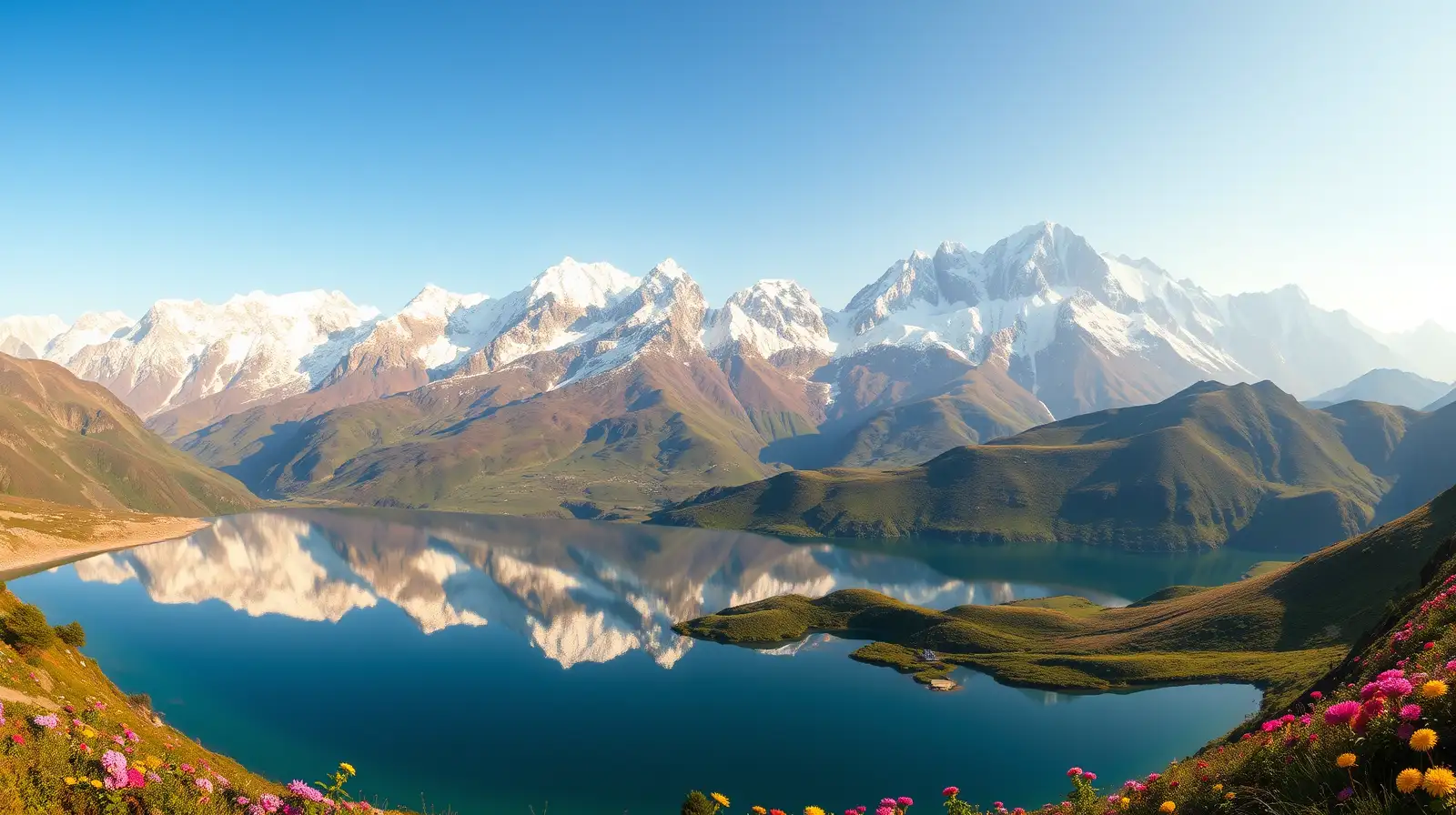
The landscape can look surprisingly European, particularly when mist settles between the mountains. But the valley is also ecologically important. It forms part of the Nanda Devi and Valley of Flowers National Parks, a UNESCO World Heritage Site known for its alpine biodiversity.
What makes it particularly unusual is its short seasonal window. The landscape that attracts visitors in July and August is largely hidden beneath snow during the colder months.
The lake is surrounded by barren, snow-covered peaks and remains frozen for much of the year. Local Buddhist and Sikh traditions both attach religious significance to the lake, adding a cultural dimension to an already extraordinary landscape.
The thin air and extreme weather also make the journey here considerably different from an ordinary mountain holiday.
During the flowering season, the valley becomes particularly striking, with the rare Dzukou lily adding a distinctive touch to the landscape.
Unlike many heavily promoted Himalayan destinations, Dzukou remains relatively less commercialised, making it an interesting choice for travellers looking for a more remote experience.
The high-altitude trekking route passes through forests, mountain villages and exposed ridges before opening up to spectacular Himalayan views. On clear days, trekkers can see some of the world's highest peaks, including Mount Everest and Kanchenjunga.
The combination of rhododendron forests and snow-covered mountains gives parts of the route an almost Alpine character.
Yet this harsh landscape supports communities that have adapted to extremely cold and dry conditions for generations. Ancient monasteries and traditional villages are scattered across the valley, demonstrating how people have built lives in an environment that initially appears almost uninhabitable.
During spring, rhododendrons add bursts of colour to the forests. The combination of tall trees, mist and mountain terrain can resemble parts of the European countryside, although the plant life and Himalayan setting remain distinctly Indian.
Its relative quietness is part of the attraction. Visitors looking beyond crowded hill stations can experience a slower version of mountain travel here.
Its geological origin makes it unlike ordinary Indian lakes. The crater's unusual chemistry has also attracted scientific interest, while temples and settlements around the lake provide evidence of centuries of human activity.
From above, its circular shape becomes even more apparent, making it one of India's most fascinating geological landmarks.
Its wetlands, farmland, waterways and villages create a scene that can feel far removed from India's major urban centres. The island is also an important centre of Assamese Vaishnavite culture and traditional arts.
Its future, however, is closely tied to environmental change and river erosion. This makes Majuli more than a travel destination. It is a reminder that landscapes are not permanent and that communities living beside major rivers must continually adapt.
Many remote destinations are attracting more visitors because of social media and improved road connectivity. That brings valuable income to local communities, but it can also put pressure on fragile ecosystems.
The challenge is to make these places accessible without allowing tourism to destroy what makes them special.
Valley of Flowers , Uttarakhand
High in the Garhwal Himalayas, the Valley of Flowers transforms dramatically during the summer monsoon. Once the snow retreats, thousands of alpine flowers appear across the valley, creating a carpet of colour beneath towering peaks.The landscape can look surprisingly European, particularly when mist settles between the mountains. But the valley is also ecologically important. It forms part of the Nanda Devi and Valley of Flowers National Parks, a UNESCO World Heritage Site known for its alpine biodiversity.
What makes it particularly unusual is its short seasonal window. The landscape that attracts visitors in July and August is largely hidden beneath snow during the colder months.
Gurudongmar Lake , Sikkim
At an elevation of more than 5,000 metres, Gurudongmar Lake in North Sikkim looks like it belongs in the high Arctic or the mountains of Central Asia.The lake is surrounded by barren, snow-covered peaks and remains frozen for much of the year. Local Buddhist and Sikh traditions both attach religious significance to the lake, adding a cultural dimension to an already extraordinary landscape.
The thin air and extreme weather also make the journey here considerably different from an ordinary mountain holiday.
Dzukou Valley, Nagaland
Dzukou Valley, on the border of Nagaland and Manipur, is one of northeast India's quieter landscapes. Rolling green ridges, seasonal streams and thick vegetation create scenery that can remind visitors of the Scottish Highlands.During the flowering season, the valley becomes particularly striking, with the rare Dzukou lily adding a distinctive touch to the landscape.
Unlike many heavily promoted Himalayan destinations, Dzukou remains relatively less commercialised, making it an interesting choice for travellers looking for a more remote experience.
Sandakphu, West Bengal
Sandakphu sits close to the India-Nepal border and offers a landscape that feels dramatically different from the plains of West Bengal.The high-altitude trekking route passes through forests, mountain villages and exposed ridges before opening up to spectacular Himalayan views. On clear days, trekkers can see some of the world's highest peaks, including Mount Everest and Kanchenjunga.
The combination of rhododendron forests and snow-covered mountains gives parts of the route an almost Alpine character.
Valley of Spiti, Himachal Pradesh
Spiti is often described as a cold desert, and the description becomes obvious once you arrive. Brown mountains, almost treeless slopes, winding roads and tiny settlements create an environment that looks closer to Tibet than the greener parts of Himachal Pradesh.Yet this harsh landscape supports communities that have adapted to extremely cold and dry conditions for generations. Ancient monasteries and traditional villages are scattered across the valley, demonstrating how people have built lives in an environment that initially appears almost uninhabitable.
Dhanaulti's Rhododendron Forests, Uttarakhand
Away from Uttarakhand's better-known hill stations, Dhanaulti offers dense Himalayan forests, quiet mountain trails and long stretches of green landscape.During spring, rhododendrons add bursts of colour to the forests. The combination of tall trees, mist and mountain terrain can resemble parts of the European countryside, although the plant life and Himalayan setting remain distinctly Indian.
Its relative quietness is part of the attraction. Visitors looking beyond crowded hill stations can experience a slower version of mountain travel here.
Lonar Lake, Maharashtra
Lonar Lake is perhaps one of the strangest landscapes in India. Formed by a meteorite impact thousands of years ago, the near-circular crater contains a saline and alkaline lake surrounded by vegetation.Its geological origin makes it unlike ordinary Indian lakes. The crater's unusual chemistry has also attracted scientific interest, while temples and settlements around the lake provide evidence of centuries of human activity.
From above, its circular shape becomes even more apparent, making it one of India's most fascinating geological landmarks.
Majuli, Assam
Majuli, located in the Brahmaputra River, is not simply a beautiful island. It is a constantly changing landscape shaped by one of Asia's great rivers.Its wetlands, farmland, waterways and villages create a scene that can feel far removed from India's major urban centres. The island is also an important centre of Assamese Vaishnavite culture and traditional arts.
Its future, however, is closely tied to environmental change and river erosion. This makes Majuli more than a travel destination. It is a reminder that landscapes are not permanent and that communities living beside major rivers must continually adapt.
Why These Landscapes Matter Today
These unusual Indian landscapes reveal how geography influences everything from farming and architecture to tourism and local livelihoods. They also demonstrate why environmental protection has become increasingly important.Many remote destinations are attracting more visitors because of social media and improved road connectivity. That brings valuable income to local communities, but it can also put pressure on fragile ecosystems.
The challenge is to make these places accessible without allowing tourism to destroy what makes them special.
Next Story