
8 Ways to Organise a Small Kitchen Without Buying New Cabinets

A small kitchen can quickly feel overcrowded, particularly when every cupboard and drawer already appears to be full. Yet the problem is not always a shortage of storage. Often, it is the way existing space is being used. Items disappear behind one another, rarely used appliances occupy prime positions and vertical space goes unnoticed. Before considering new cabinets, it is worth looking carefully at what is already available. Small changes in grouping, stacking and positioning can make a kitchen considerably easier to use. The best kitchen organisation is not about fitting more things into every corner. It is about making the things you actually use easier to reach.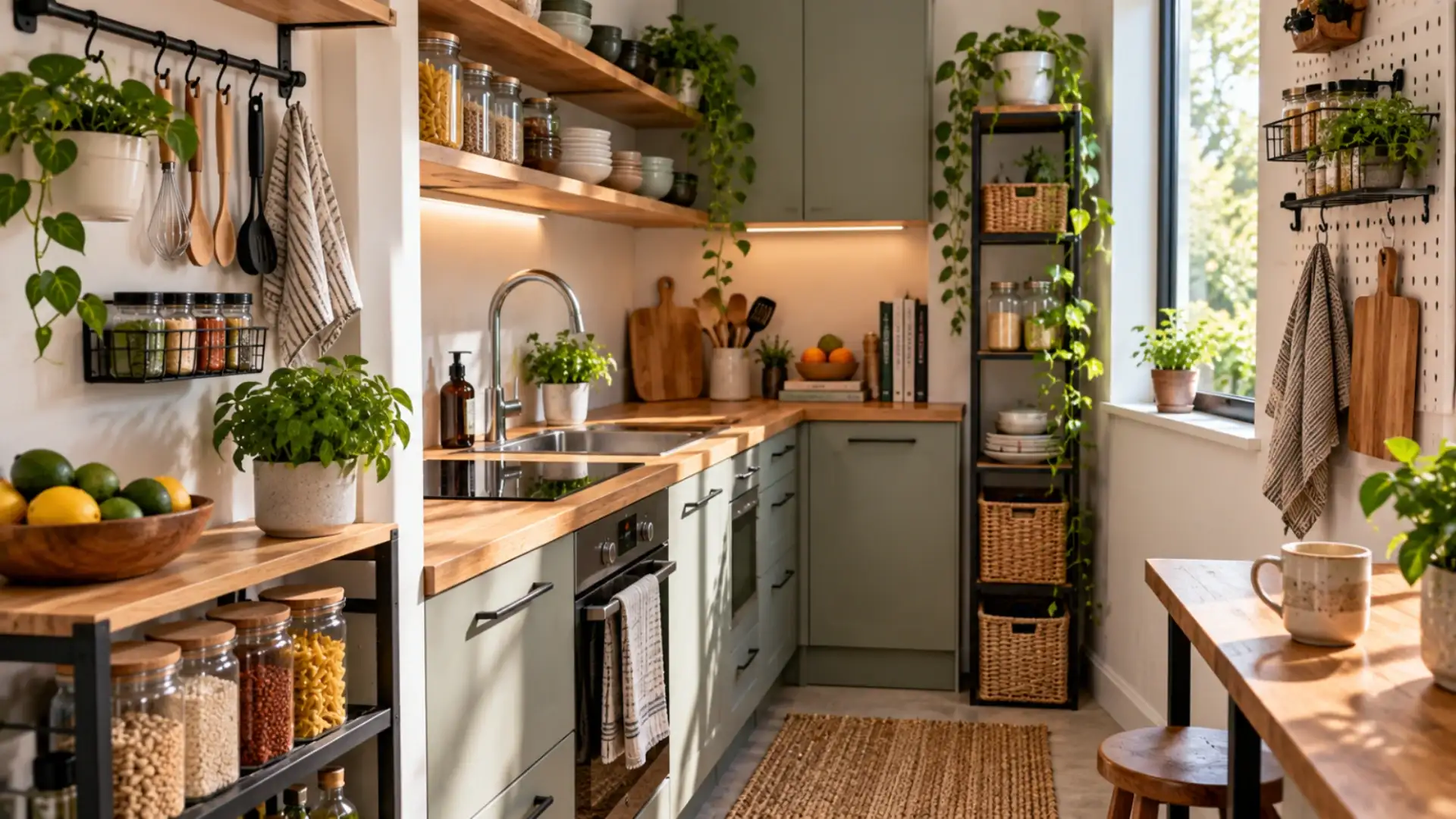
Make sure anything attached is secure and does not interfere with the door closing.
When everything has a logical home, you spend less time searching and are less likely to create messy piles.
Vertical storage is particularly valuable when floor and worktop space are limited.
If the toaster is used once a week but the kettle is used constantly, they do not need equal priority.
If suitable, a secure rack can also make vertical storage possible.
The arrangement should follow your habits rather than an idealised kitchen layout.
Transparent containers are particularly useful because you can see what is inside.
Small kitchens become easier to manage when storage follows real life rather than appearance. Before buying another cabinet, look upwards, behind doors and inside existing cupboards. Often, the extra space you need is already there.
Use the Inside of Cabinet Doors
The inside of a cupboard door is often wasted space. Lightweight organisers can hold measuring spoons, cleaning cloths or small kitchen tools.Make sure anything attached is secure and does not interfere with the door closing.
Store Similar Items Together
Grouping baking equipment, cooking utensils and everyday crockery makes cupboards easier to navigate.When everything has a logical home, you spend less time searching and are less likely to create messy piles.
Use Vertical Space
Shelf risers can create a second level inside tall cupboards. Even a simple sturdy stand can allow plates or bowls to be stacked more efficiently.Vertical storage is particularly valuable when floor and worktop space are limited.
Declutter the Worktop
Small kitchens can feel dramatically larger when the worktop is clear. Keep only the appliances used regularly within easy reach.If the toaster is used once a week but the kettle is used constantly, they do not need equal priority.
You may also like
- Kendall Jenner turned heads in the simplest golden dress at Venice Film Festival
- Clicking or Popping Hips During Pregnancy: Causes & Tips
- Create a Resume Using AI and Succeed in Job Interviews
- ATM Rules Changed: Public sector bank reduces free transaction limit; check new charges before withdrawing cash..
- One mistake in train ticket booking can lead to trouble; IRCTC issues important advice to passengers
Keep Pans Accessible
Pans are awkward because they consume considerable cupboard space. Stack them by size and keep lids together rather than allowing them to spread across different cupboards.If suitable, a secure rack can also make vertical storage possible.
Create a Dedicated Everyday Zone
Keep frequently used mugs, plates, glasses and utensils together in one convenient area. This reduces unnecessary movement around the kitchen.The arrangement should follow your habits rather than an idealised kitchen layout.
Reuse Containers
Clean food containers and jars can become useful organisers for dry ingredients, baking supplies or small tools.Transparent containers are particularly useful because you can see what is inside.
Give Rarely Used Items a Lower Priority
Special serving dishes and occasional appliances do not need the easiest storage positions. Move them towards the back or higher shelves and reserve accessible areas for everyday essentials.Small kitchens become easier to manage when storage follows real life rather than appearance. Before buying another cabinet, look upwards, behind doors and inside existing cupboards. Often, the extra space you need is already there.






Loving Newspoint? Download the app now
