
9 Indian Dishes That Went From Poor Man’s Food to Premium Feast

NIne Indian Dishes That Went From Poor Man’s Food to Premium Feast - this transformation is not just about changing tastes, but about how culture, migration and modern marketing have reshaped India’s culinary landscape. Across regions, humble, home-style meals once associated with farmers, labourers and modest households are now being served in upscale restaurants as gourmet experiences.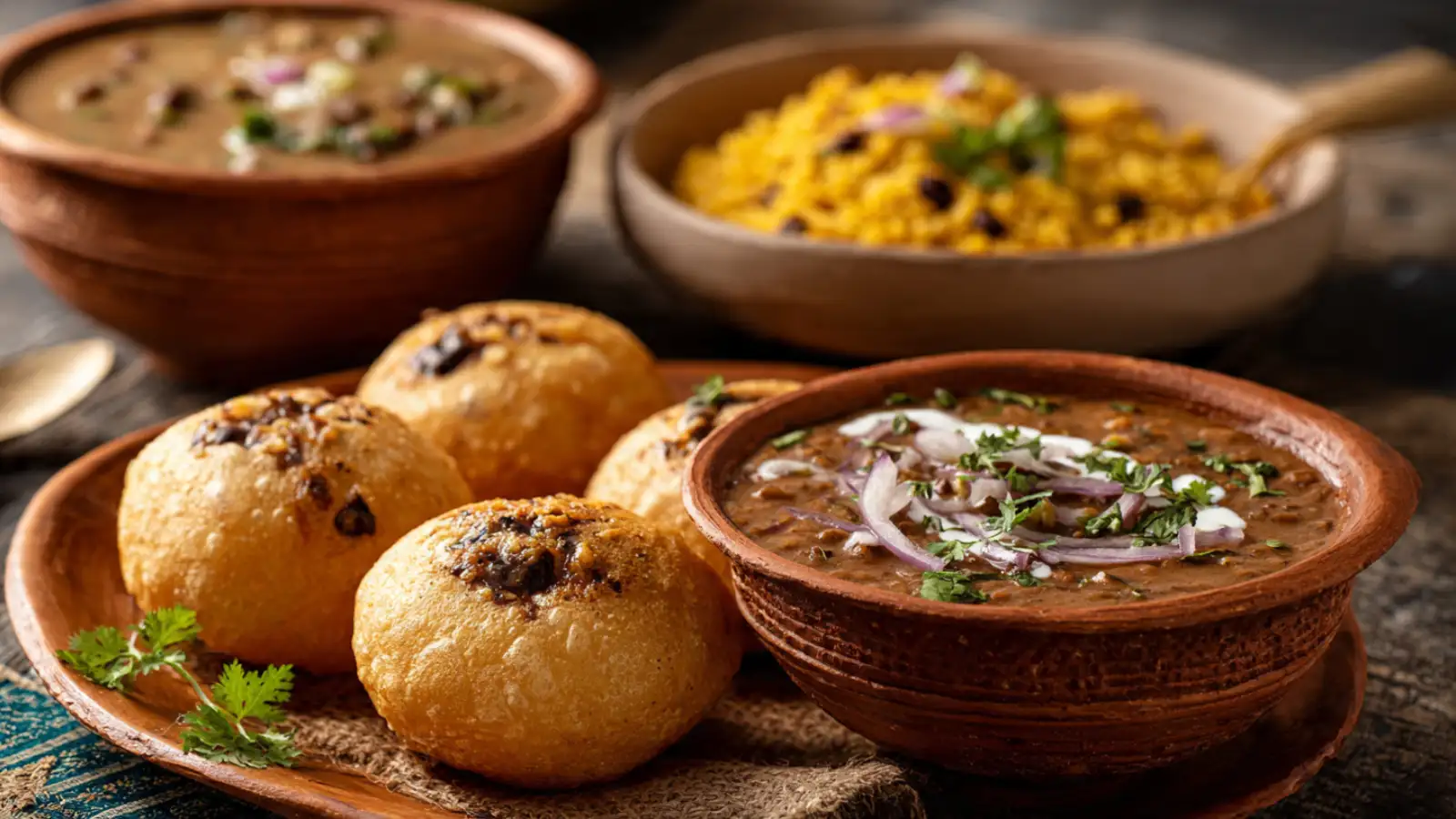
Here’s a closer look at how these traditional Indian dishes evolved from simple sustenance to celebrated premium fare.
1. Litti Chokha : From Village Hearth to Gourmet Platter
Originating in rural Bihar and eastern Uttar Pradesh, Litti Chokha was a filling meal for farmers and daily wage workers. Roasted wheat balls stuffed with sattu were cooked over coal fires and paired with mashed brinjal or potatoes.
Today, the same dish is elevated in metro restaurants with generous pours of desi ghee and elegant plating. What was once natural smokiness from a mud stove is now marketed as an “authentic rustic flavour”, turning a survival meal into a premium delicacy.
2. Dal Makhani: A Luxury Reinvention of a Simple Dal
Now a staple in North Indian fine-dining menus, Dal Makhani began as a protein-rich meal made from whole urad dal and rajma, slow-cooked overnight in modest kitchens.
Its transformation happened in Delhi’s restaurant culture, where butter and cream were added generously. Branded today as “slow-cooked for 12 hours”, Dal Makhani has shifted from nourishing staple to indulgent comfort food served at premium prices.
3. Khichdi: From Sick-Day Food to Wellness Bowl
For years, Khichdi was unfairly labelled as bland food meant for the unwell. Made with rice, lentils, turmeric and salt, it was simplicity at its best.
With the rise of health trends, khichdi has been reintroduced as a “detox bowl” and “one-pot balanced meal”. Urban eateries now enhance it with exotic vegetables, truffle oil and artisanal toppings, giving this once-basic comfort dish a luxurious makeover.
4. Ragi Mudde: The Millet That Became a Superfood
In Karnataka, Ragi Mudde was a daily staple for labourers - affordable, filling and packed with nutrition.
As millets gained recognition as climate-resilient grains, ragi was rebranded as a “supergrain”. Cafés and health-focused restaurants now promote ragi dishes as calcium-rich and gluten-free alternatives, placing this once-humble staple at the heart of India’s modern health food movement.
5. Sarson Ka Saag and Makki Di Roti: Rustic Winter Meal Turned Premium Classic
A seasonal favourite in Punjabi homes, Sarson Ka Saag and Makki Di Roti was traditionally prepared fresh during winter using mustard greens and corn flour.
Today, high-end restaurants serve it as a signature winter platter, topped with white butter and styled with rustic décor. Its farmhouse simplicity has become its biggest selling point, with nostalgia adding to its premium appeal.
6. Pakhala Bhata: From Practical Summer Staple to Probiotic Powerhouse
In Odisha, Pakhala Bhata - fermented rice soaked in water - was a practical solution to the summer heat. It required no refrigeration and relied on age-old food wisdom.
With growing awareness about gut health, this dish is now celebrated for its probiotic benefits. What once symbolised necessity is now discussed in wellness circles as a naturally fermented superfood.
7. Misal Pav: Street Breakfast to Curated Spice Experience
Once an affordable breakfast option for workers and students in Maharashtra, Misal Pav featured sprouted lentils in spicy gravy topped with farsan.
Today, it carries regional branding such as Kolhapuri and Puneri versions, with restaurants offering customised spice levels and gourmet interpretations. The everyday street food has transformed into a carefully curated culinary experience.
8. Kanji Vada: Forgotten Fermented Favourite Makes a Comeback
Traditionally prepared during festivals in North India, Kanji Vada consists of lentil dumplings soaked in fermented mustard water.
Once valued for its ability to last without refrigeration, it is now appreciated for its probiotic qualities. Food festivals and specialty dining events have revived this seasonal delicacy as part of India’s growing fermented food trend.
9. Bajra Roti: Survival Grain to Sustainable Choice
In the dry regions of Rajasthan and Gujarat, Bajra Roti was a necessity. The hardy millet required little water and paired well with simple vegetables and chutneys.
As conversations around sustainability and climate-friendly crops grow stronger, bajra has earned a place on upscale millet menus. It is now promoted as a conscious, nutrient-rich alternative to refined grains.
How Traditional Indian Dishes Became Premium Feasts
The journey of these Indian dishes from poor man’s food to premium feast highlights changing food narratives. Migration brought regional cuisines to metro cities, wellness trends rebranded traditional grains as superfoods, and restaurants repackaged simplicity as authenticity.
What was once cooked out of need is now celebrated for heritage, health and nostalgia. In many ways, the transformation reflects not just evolving tastes, but India’s shifting social and economic story - told one plate at a time.
Here’s a closer look at how these traditional Indian dishes evolved from simple sustenance to celebrated premium fare.
1. Litti Chokha : From Village Hearth to Gourmet Platter
Originating in rural Bihar and eastern Uttar Pradesh, Litti Chokha was a filling meal for farmers and daily wage workers. Roasted wheat balls stuffed with sattu were cooked over coal fires and paired with mashed brinjal or potatoes.
Today, the same dish is elevated in metro restaurants with generous pours of desi ghee and elegant plating. What was once natural smokiness from a mud stove is now marketed as an “authentic rustic flavour”, turning a survival meal into a premium delicacy.
2. Dal Makhani: A Luxury Reinvention of a Simple Dal
Now a staple in North Indian fine-dining menus, Dal Makhani began as a protein-rich meal made from whole urad dal and rajma, slow-cooked overnight in modest kitchens.
Its transformation happened in Delhi’s restaurant culture, where butter and cream were added generously. Branded today as “slow-cooked for 12 hours”, Dal Makhani has shifted from nourishing staple to indulgent comfort food served at premium prices.
3. Khichdi: From Sick-Day Food to Wellness Bowl
For years, Khichdi was unfairly labelled as bland food meant for the unwell. Made with rice, lentils, turmeric and salt, it was simplicity at its best.
With the rise of health trends, khichdi has been reintroduced as a “detox bowl” and “one-pot balanced meal”. Urban eateries now enhance it with exotic vegetables, truffle oil and artisanal toppings, giving this once-basic comfort dish a luxurious makeover.
4. Ragi Mudde: The Millet That Became a Superfood
In Karnataka, Ragi Mudde was a daily staple for labourers - affordable, filling and packed with nutrition.
As millets gained recognition as climate-resilient grains, ragi was rebranded as a “supergrain”. Cafés and health-focused restaurants now promote ragi dishes as calcium-rich and gluten-free alternatives, placing this once-humble staple at the heart of India’s modern health food movement.
5. Sarson Ka Saag and Makki Di Roti: Rustic Winter Meal Turned Premium Classic
A seasonal favourite in Punjabi homes, Sarson Ka Saag and Makki Di Roti was traditionally prepared fresh during winter using mustard greens and corn flour.
Today, high-end restaurants serve it as a signature winter platter, topped with white butter and styled with rustic décor. Its farmhouse simplicity has become its biggest selling point, with nostalgia adding to its premium appeal.
6. Pakhala Bhata: From Practical Summer Staple to Probiotic Powerhouse
In Odisha, Pakhala Bhata - fermented rice soaked in water - was a practical solution to the summer heat. It required no refrigeration and relied on age-old food wisdom.
With growing awareness about gut health, this dish is now celebrated for its probiotic benefits. What once symbolised necessity is now discussed in wellness circles as a naturally fermented superfood.
You may also like
 Daylight murder in Greater Noida: Man shot dead outside home, family denies rivalry angle
 How Growcoms Is Rewiring India's Spice Market Value Chain For Exports
 AI pact between Italy, India and Kenya to boost inclusive innovation: Report
- TATA.ev partners with Shell to launch 21 mega EV charging hubs across Bengaluru, Chennai, Vadodara, Pune & key Indian highways
 Concrete evidence of deep conspiracy found, 8 arrested: Delhi Police on IYC 'shirtless' protest at AI Summit
7. Misal Pav: Street Breakfast to Curated Spice Experience
Once an affordable breakfast option for workers and students in Maharashtra, Misal Pav featured sprouted lentils in spicy gravy topped with farsan.
Today, it carries regional branding such as Kolhapuri and Puneri versions, with restaurants offering customised spice levels and gourmet interpretations. The everyday street food has transformed into a carefully curated culinary experience.
8. Kanji Vada: Forgotten Fermented Favourite Makes a Comeback
Traditionally prepared during festivals in North India, Kanji Vada consists of lentil dumplings soaked in fermented mustard water.
Once valued for its ability to last without refrigeration, it is now appreciated for its probiotic qualities. Food festivals and specialty dining events have revived this seasonal delicacy as part of India’s growing fermented food trend.
9. Bajra Roti: Survival Grain to Sustainable Choice
In the dry regions of Rajasthan and Gujarat, Bajra Roti was a necessity. The hardy millet required little water and paired well with simple vegetables and chutneys.
As conversations around sustainability and climate-friendly crops grow stronger, bajra has earned a place on upscale millet menus. It is now promoted as a conscious, nutrient-rich alternative to refined grains.
How Traditional Indian Dishes Became Premium Feasts
The journey of these Indian dishes from poor man’s food to premium feast highlights changing food narratives. Migration brought regional cuisines to metro cities, wellness trends rebranded traditional grains as superfoods, and restaurants repackaged simplicity as authenticity.
What was once cooked out of need is now celebrated for heritage, health and nostalgia. In many ways, the transformation reflects not just evolving tastes, but India’s shifting social and economic story - told one plate at a time.






More from our partners


Loving Newspoint? Download the app now
