
A Beginner’s Guide To Cooking Simple, Delicious Meals Without Feeling Overwhelmed In The Kitchen

Cooking is one of the most useful life skills anyone can learn. Beyond saving money, preparing meals at home gives people greater control over ingredients, nutrition, flavours, and portion sizes. For beginners, however, stepping into the kitchen can feel intimidating. Complicated recipes, unfamiliar techniques, and fear of making mistakes often discourage people from trying.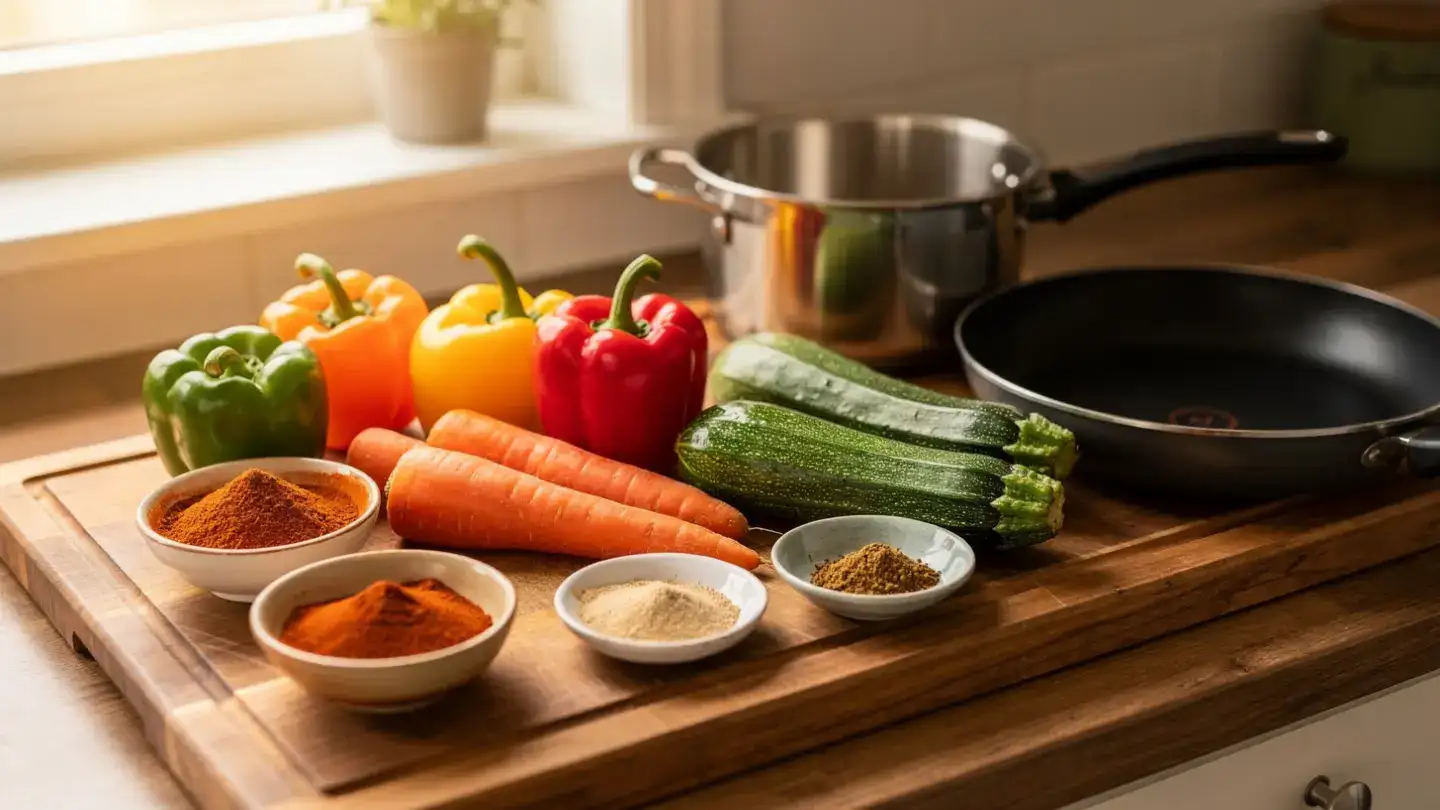
The good news is that cooking does not need to be perfect from the beginning. Every experienced cook once started with simple dishes, basic kitchen tools, and small experiments. Learning gradually and focusing on easy methods can make the process far more enjoyable and less stressful.
With patience, practice, and a few practical habits, anyone can build confidence in the kitchen. This beginner’s guide to cooking explores essential skills, simple cooking techniques , and easy ways to start preparing homemade meals comfortably.
Starting with simple meals such as omelettes, pasta, rice dishes, soups, sandwiches, or stir-fried vegetables allows beginners to understand the basics without pressure. These dishes help people become familiar with chopping, boiling, frying, and seasoning.
Easy home cooking is often about mastering a few reliable dishes before moving on to more detailed recipes. Confidence grows naturally through repetition and small successes.
Knowing the difference between low, medium, and high heat is especially important. Cooking on excessively high heat can burn food quickly, while low heat helps ingredients cook more evenly.
Basic cooking skills also include reading recipes carefully, measuring ingredients correctly, and preparing all ingredients before turning on the stove.
Some useful beginner-friendly kitchen essentials include:
Boiling is useful for pasta, eggs, vegetables, and rice. Sautéing involves cooking ingredients quickly in a small amount of oil over medium heat. Roasting works well for vegetables and chicken, while steaming helps retain nutrients in food.
These techniques form the foundation of many recipes and help beginners understand how ingredients behave during cooking.
Cooking improves through practice rather than perfection. Even failed dishes often teach important lessons about timing, seasoning, and heat control.
Instead of becoming frustrated, beginners should treat cooking as a learning process. Over time, familiar recipes become easier and more natural to prepare.
Beginners should start seasoning lightly and adjust gradually while tasting food during cooking. Understanding flavour balance takes time, but experimenting carefully helps develop confidence.
Cooking tips for beginners often focus on seasoning because even simple ingredients can taste delicious when properly balanced.
Keeping a few ingredients ready at home such as eggs, rice, pasta, onions, tomatoes, frozen vegetables, and basic spices allows beginners to prepare quick meals easily.
Planning also helps reduce food waste and encourages healthier eating habits through homemade meals for beginners .
Beginners should also learn basic safety habits such as using knives carefully, turning pan handles inward, and avoiding distractions while cooking on the stove.
Simple safety practices can make the kitchen a more comfortable and secure environment for learning.
However, it is important not to compare progress with experienced cooks. Every person learns at their own pace, and confidence develops gradually with practice.
Trying one new recipe every week can help beginners improve steadily without feeling overwhelmed.
Home cooking also allows greater flexibility with flavours, ingredients, and portion sizes. Over time, beginners often discover personal cooking styles and favourite recipes that suit their tastes and routines.
A beginner’s guide to cooking is not about becoming perfect overnight. It is about building confidence through small steps, simple meals, and consistent practice. Cooking can start with basic dishes and gradually grow into an enjoyable everyday skill that supports healthier habits and creativity.
By learning simple cooking techniques, practising regularly, and staying patient during mistakes, beginners can slowly become comfortable in the kitchen. With time and experience, preparing homemade meals becomes less stressful and far more rewarding.
Image Courtesy: Meta AI
The good news is that cooking does not need to be perfect from the beginning. Every experienced cook once started with simple dishes, basic kitchen tools, and small experiments. Learning gradually and focusing on easy methods can make the process far more enjoyable and less stressful.
With patience, practice, and a few practical habits, anyone can build confidence in the kitchen. This beginner’s guide to cooking explores essential skills, simple cooking techniques , and easy ways to start preparing homemade meals comfortably.
Start With Simple Recipes
One of the biggest mistakes beginners make is trying overly complicated dishes too soon. Recipes with too many ingredients or advanced techniques can quickly become confusing.Starting with simple meals such as omelettes, pasta, rice dishes, soups, sandwiches, or stir-fried vegetables allows beginners to understand the basics without pressure. These dishes help people become familiar with chopping, boiling, frying, and seasoning.
Easy home cooking is often about mastering a few reliable dishes before moving on to more detailed recipes. Confidence grows naturally through repetition and small successes.
Learn Basic Cooking Skills First
Before trying advanced recipes, beginners should focus on learning a few core kitchen skills. Understanding how to chop vegetables safely, boil pasta correctly, cook rice, and use heat properly can make everyday cooking much easier.Knowing the difference between low, medium, and high heat is especially important. Cooking on excessively high heat can burn food quickly, while low heat helps ingredients cook more evenly.
Basic cooking skills also include reading recipes carefully, measuring ingredients correctly, and preparing all ingredients before turning on the stove.
Keep Essential Kitchen Tools Ready
A beginner does not need an expensive kitchen setup to start cooking. A few practical tools are enough for preparing many everyday meals.Some useful beginner-friendly kitchen essentials include:
- A sharp knife
- A chopping board
- A non-stick frying pan
- A saucepan
- Measuring spoons
- A spatula and ladle
- Basic storage containers
Understand Simple Cooking Techniques
Learning a few simple cooking techniques can open the door to preparing many different dishes. Beginners should focus on methods that are versatile and easy to practise regularly.Boiling is useful for pasta, eggs, vegetables, and rice. Sautéing involves cooking ingredients quickly in a small amount of oil over medium heat. Roasting works well for vegetables and chicken, while steaming helps retain nutrients in food.
These techniques form the foundation of many recipes and help beginners understand how ingredients behave during cooking.
Do Not Fear Mistakes In The Kitchen
Every cook burns toast, overcooks pasta, or adds too much salt at some point. Mistakes are a normal part of learning and should not discourage beginners from continuing.Cooking improves through practice rather than perfection. Even failed dishes often teach important lessons about timing, seasoning, and heat control.
Instead of becoming frustrated, beginners should treat cooking as a learning process. Over time, familiar recipes become easier and more natural to prepare.
Learn The Importance Of Seasoning
Seasoning plays a major role in improving the flavour of food. Salt, pepper, herbs, spices, garlic, ginger, and lemon juice can completely transform simple meals.Beginners should start seasoning lightly and adjust gradually while tasting food during cooking. Understanding flavour balance takes time, but experimenting carefully helps develop confidence.
Cooking tips for beginners often focus on seasoning because even simple ingredients can taste delicious when properly balanced.
Plan Meals In Advance
Meal planning helps beginners stay organised and avoid unnecessary stress. Deciding what to cook before entering the kitchen reduces confusion and saves time.Keeping a few ingredients ready at home such as eggs, rice, pasta, onions, tomatoes, frozen vegetables, and basic spices allows beginners to prepare quick meals easily.
Planning also helps reduce food waste and encourages healthier eating habits through homemade meals for beginners .
Focus On Hygiene And Safety
Kitchen hygiene is extremely important while cooking. Washing hands regularly, cleaning surfaces, and storing food properly help maintain safety and freshness.Beginners should also learn basic safety habits such as using knives carefully, turning pan handles inward, and avoiding distractions while cooking on the stove.
Simple safety practices can make the kitchen a more comfortable and secure environment for learning.
Watch And Learn Gradually
Cooking becomes easier when beginners observe techniques visually. Watching family members cook, following step-by-step videos, or reading beginner-friendly recipes can improve understanding quickly.However, it is important not to compare progress with experienced cooks. Every person learns at their own pace, and confidence develops gradually with practice.
Trying one new recipe every week can help beginners improve steadily without feeling overwhelmed.
Homemade Meals Build Confidence
One of the most rewarding parts of cooking is enjoying a homemade meal created from scratch. Even simple dishes can provide satisfaction and encourage people to continue learning.Home cooking also allows greater flexibility with flavours, ingredients, and portion sizes. Over time, beginners often discover personal cooking styles and favourite recipes that suit their tastes and routines.
A beginner’s guide to cooking is not about becoming perfect overnight. It is about building confidence through small steps, simple meals, and consistent practice. Cooking can start with basic dishes and gradually grow into an enjoyable everyday skill that supports healthier habits and creativity.
By learning simple cooking techniques, practising regularly, and staying patient during mistakes, beginners can slowly become comfortable in the kitchen. With time and experience, preparing homemade meals becomes less stressful and far more rewarding.
Image Courtesy: Meta AI
Next Story