
A Culinary Journey Across India: Traditional Vegetarian Foods Worth Discovering

India's regional culinary traditions offer a strong lifestyle and food-culture story, particularly when explored through local ingredients, traditional cooking methods, seasonal eating and family recipes. This article focuses on vegetarian specialities from different parts of the country, while recognising the cultural diversity behind each regional food tradition.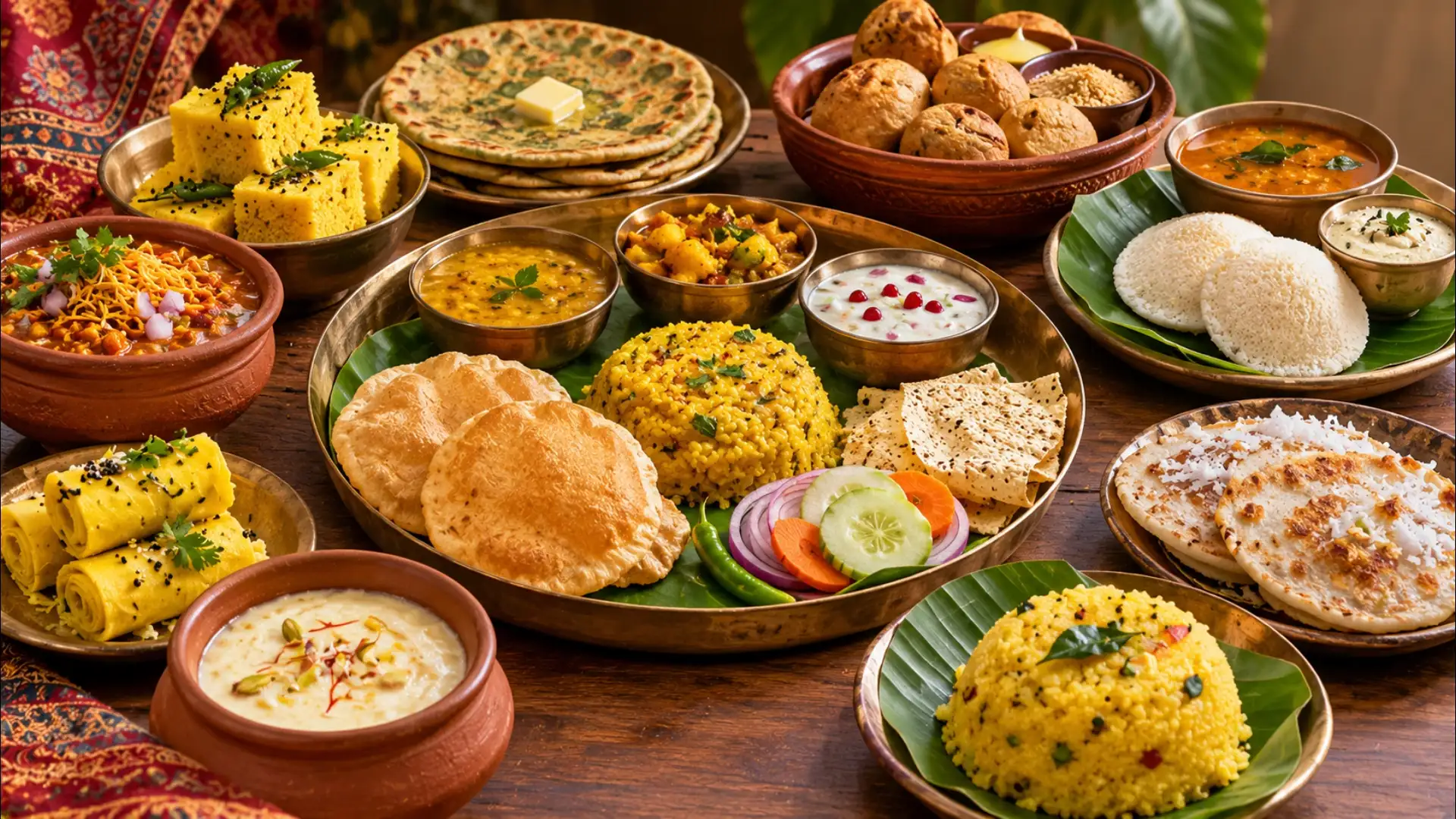
India's food culture is much more than a collection of popular dishes. Every region has its own culinary identity, shaped by local ingredients, climate, agriculture, festivals and generations of cooking traditions. From millet-based meals in dry landscapes to rice preparations in coastal areas, regional food reflects the everyday lives of communities.
Traditional recipes are often passed down through families, preserving distinctive flavours and preparation methods. Exploring these culinary traditions offers an interesting way to understand India's cultural diversity, one meal at a time.
Whether it is a Gujarati snack, a Himachali festive meal or a South Indian rice preparation, every regional speciality offers a glimpse into India's diverse culinary heritage.
India's food culture is much more than a collection of popular dishes. Every region has its own culinary identity, shaped by local ingredients, climate, agriculture, festivals and generations of cooking traditions. From millet-based meals in dry landscapes to rice preparations in coastal areas, regional food reflects the everyday lives of communities.
Traditional recipes are often passed down through families, preserving distinctive flavours and preparation methods. Exploring these culinary traditions offers an interesting way to understand India's cultural diversity, one meal at a time.
1. North India: Rich Gravies and Traditional Breads
Northern Indian food traditions feature wheat-based breads, lentils, dairy products and seasonal vegetables. Parathas, chole, kadhi and dal-based preparations are popular examples. Punjab is known for dishes such as sarson ka saag and makki di roti, while Himachali food culture includes dham, a traditional festive meal served during special occasions.2. West India: A Blend of Sweet, Spicy and Tangy Flavours
Western India offers considerable culinary variety. Gujarat is known for vegetarian specialities such as dhokla, handvo and thepla. Rajasthan has traditional preparations including dal baati churma and gatte ki sabzi, while Maharashtra is famous for misal pav, puran poli and regional varieties of bhakri.You may also like
- Solar Panels: Government Introduces 'Smart Grid' – A Major New Development in the 'Surya Ghar' Scheme
- 8,000 Vehicles Fined in Delhi for Lacking PUC; 321 Cars and Bikes Impounded
- FASTag to be mandatory at all toll booths; new rules effective from April 1st
- Delhi NCR to witness India's biggest theatre showcase with Delhi Theatre Festival Season 7
- Just do these 5 things on Saturday morning, Shanidev will shower his blessings, know what Vastu Shastra says?
3. South India: Rice, Coconut and Fermented Foods
Rice, lentils, coconut and curry leaves play important roles in many South Indian kitchens. Idli, dosa, sambar, rasam and appam are widely recognised dishes. Different states also have distinctive preparations, including Karnataka's bisi bele bath and Tamil Nadu's traditional pongal.4. East India: Rice-Based Meals and Traditional Sweets
Eastern India has a rich tradition of rice preparations, vegetable dishes and regional sweets. Bengal is known for sandesh and other milk-based desserts, while Odisha has traditional preparations such as dalma, made with lentils and vegetables. Pitha varieties are also enjoyed in several eastern communities, particularly during festivals.5. Northeast India: Local Greens and Distinctive Cooking Methods
Northeastern food traditions reflect the region's varied landscapes and indigenous cultures. Rice, leafy vegetables, bamboo shoots and locally available ingredients feature in many community kitchens. Simple vegetable preparations, chutneys and fermented ingredients highlight the region's distinctive culinary identity.6. Central India: Millets, Lentils and Local Produce
Central Indian food traditions make use of wheat, rice, millets, pulses and seasonal vegetables. Madhya Pradesh is known for bhutte ka kees, a preparation made with grated corn, while different communities also enjoy poha, dal-based dishes and traditional breads.Why Regional Food Traditions Matter
Regional cuisines preserve local knowledge about ingredients, seasonal produce and traditional cooking techniques. They also connect food with festivals, family gatherings and community celebrations. Exploring these dishes encourages people to appreciate lesser-known recipes and support local food traditions.Whether it is a Gujarati snack, a Himachali festive meal or a South Indian rice preparation, every regional speciality offers a glimpse into India's diverse culinary heritage.






Loving Newspoint? Download the app now
