
A Taste of History: Discover How Indian Cuisine Developed Over Thousands of Years

Indian food is known for its colourful spices, regional flavours and remarkable variety, but its story goes back thousands of years. The country's culinary traditions have developed through ancient farming communities, trade routes, religious practices, royal kitchens and cultural exchanges. Ingredients that are now common in Indian households have travelled across continents, while cooking techniques have evolved from simple clay-pot meals to elaborate festive preparations.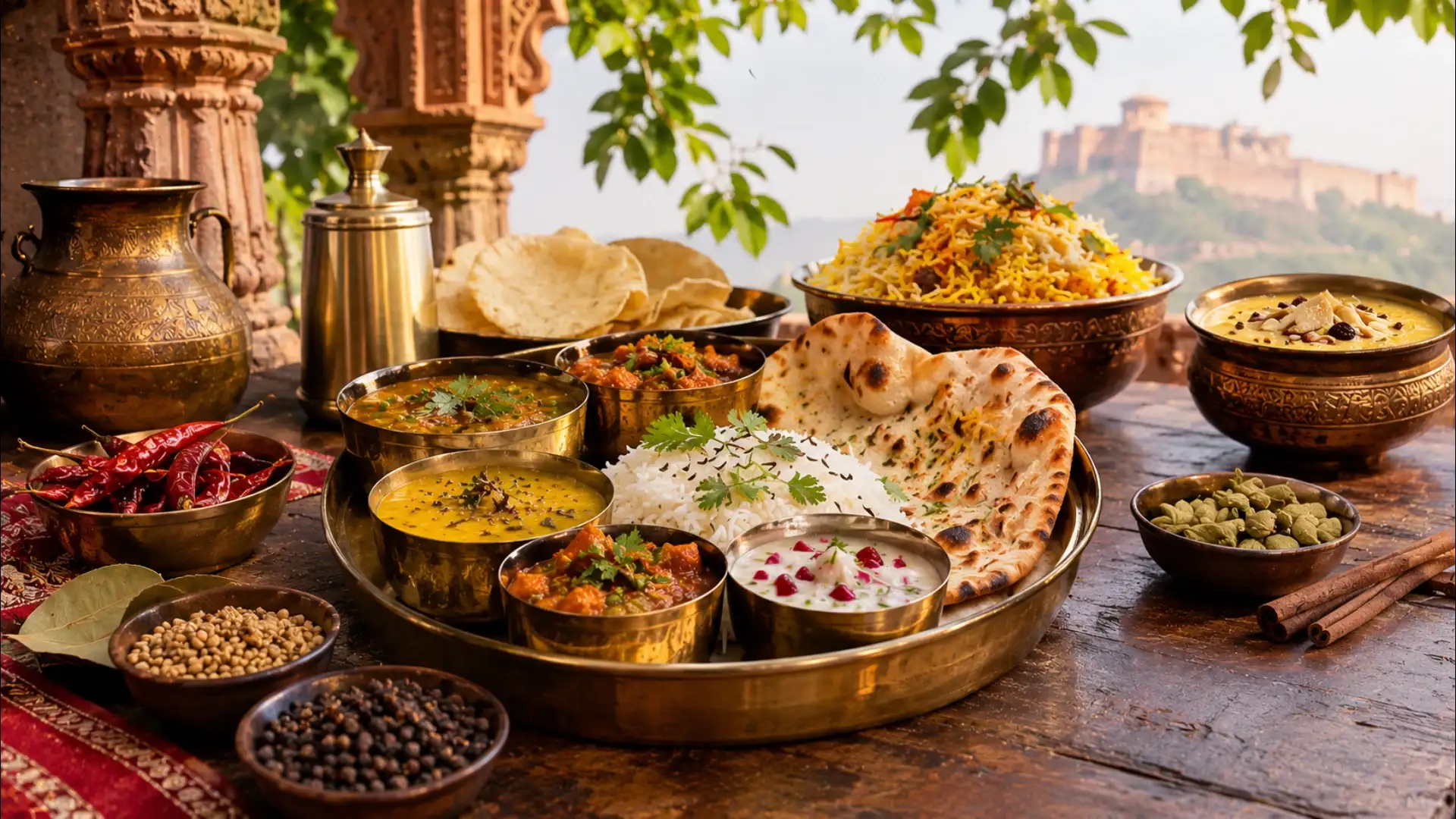
From traditional millet dishes and rice-based meals to biryani, dosas and popular street food, Indian cuisine reflects the country's changing history, geography and way of life.
Rice became an important food in several regions, while grains and lentils formed the foundation of everyday meals. Early cooking practices relied on simple ingredients, seasonal produce and locally available resources.
Traditional techniques such as roasting, grinding, fermenting and slow cooking helped create the diverse tastes associated with Indian cuisine. Regional climates and agricultural conditions also influenced the ingredients people used.
Foods such as khichdi, dal, seasonal vegetables, curd and rice became important parts of everyday meals in many regions. Temple offerings and community kitchens also helped preserve traditional recipes and food practices.
Biryani, pulao, kebabs and several forms of korma reflect different layers of this culinary exchange. Mughlai cooking also influenced the development of food traditions in cities such as Delhi, Lucknow and Hyderabad.
These ingredients gradually became part of regional cooking. Today, dishes such as aloo curry, tomato-based gravies and spicy chilli preparations are difficult to imagine without them.
Climate, agriculture, local traditions and historical influences have shaped these regional identities.
The history of Indian food is ultimately a story of cultural exchange, adaptation and diversity. Every region brings its own flavours, techniques and traditions to a culinary heritage that continues to grow across generations.
From traditional millet dishes and rice-based meals to biryani, dosas and popular street food, Indian cuisine reflects the country's changing history, geography and way of life.
1. Ancient India: The Beginning of Food Traditions
The history of Indian food can be traced to the Indus Valley Civilisation, where archaeological evidence suggests that people cultivated wheat, barley, pulses and sesame. Farming communities also consumed fruits, vegetables and dairy products.Rice became an important food in several regions, while grains and lentils formed the foundation of everyday meals. Early cooking practices relied on simple ingredients, seasonal produce and locally available resources.
2. Spices and Traditional Cooking Practices
Spices gradually became an essential part of Indian cooking. Turmeric, black pepper, cardamom, ginger, cumin and coriander were valued for their distinctive flavours and culinary uses.Traditional techniques such as roasting, grinding, fermenting and slow cooking helped create the diverse tastes associated with Indian cuisine. Regional climates and agricultural conditions also influenced the ingredients people used.
3. Religious Traditions Shaped Indian Food
Religious and philosophical traditions influenced food choices across different communities. Vegetarian cooking became particularly prominent in several Hindu, Jain and Buddhist traditions, although dietary practices have always varied.Foods such as khichdi, dal, seasonal vegetables, curd and rice became important parts of everyday meals in many regions. Temple offerings and community kitchens also helped preserve traditional recipes and food practices.
4. The Mughal Influence on Indian Cuisine
The Mughal period brought significant changes to royal and regional cooking traditions. Persian and Central Asian influences contributed to dishes featuring aromatic rice, dried fruits, nuts, rich gravies and elaborate cooking methods.Biryani, pulao, kebabs and several forms of korma reflect different layers of this culinary exchange. Mughlai cooking also influenced the development of food traditions in cities such as Delhi, Lucknow and Hyderabad.
5. European Trade Introduced New Ingredients
European trading networks and colonial contact introduced several ingredients that are now widely used in Indian kitchens. Portuguese traders brought foods such as chillies, potatoes, tomatoes and cashews from the Americas through global trade routes.These ingredients gradually became part of regional cooking. Today, dishes such as aloo curry, tomato-based gravies and spicy chilli preparations are difficult to imagine without them.
6. Regional Diversity Defines Indian Food
India's food culture cannot be understood through a single cuisine. South Indian dishes such as idli, dosa and sambar differ considerably from Punjabi parathas, Bengali fish preparations, Rajasthani dal baati churma and Gujarati dhokla.Climate, agriculture, local traditions and historical influences have shaped these regional identities.
From Traditional Kitchens to Modern Food Culture
Indian cuisine continues to evolve through restaurants, home cooking, street food and changing lifestyles. Yet, traditional recipes and regional ingredients remain central to its identity.The history of Indian food is ultimately a story of cultural exchange, adaptation and diversity. Every region brings its own flavours, techniques and traditions to a culinary heritage that continues to grow across generations.
Next Story