
AC Explosion Risk in Summer: What Causes It and How to Stay Safe

As temperatures rise across India, air conditioners shift from comfort devices to daily essentials. But alongside this surge in usage, there is a growing concern that often goes unnoticed - AC blasts.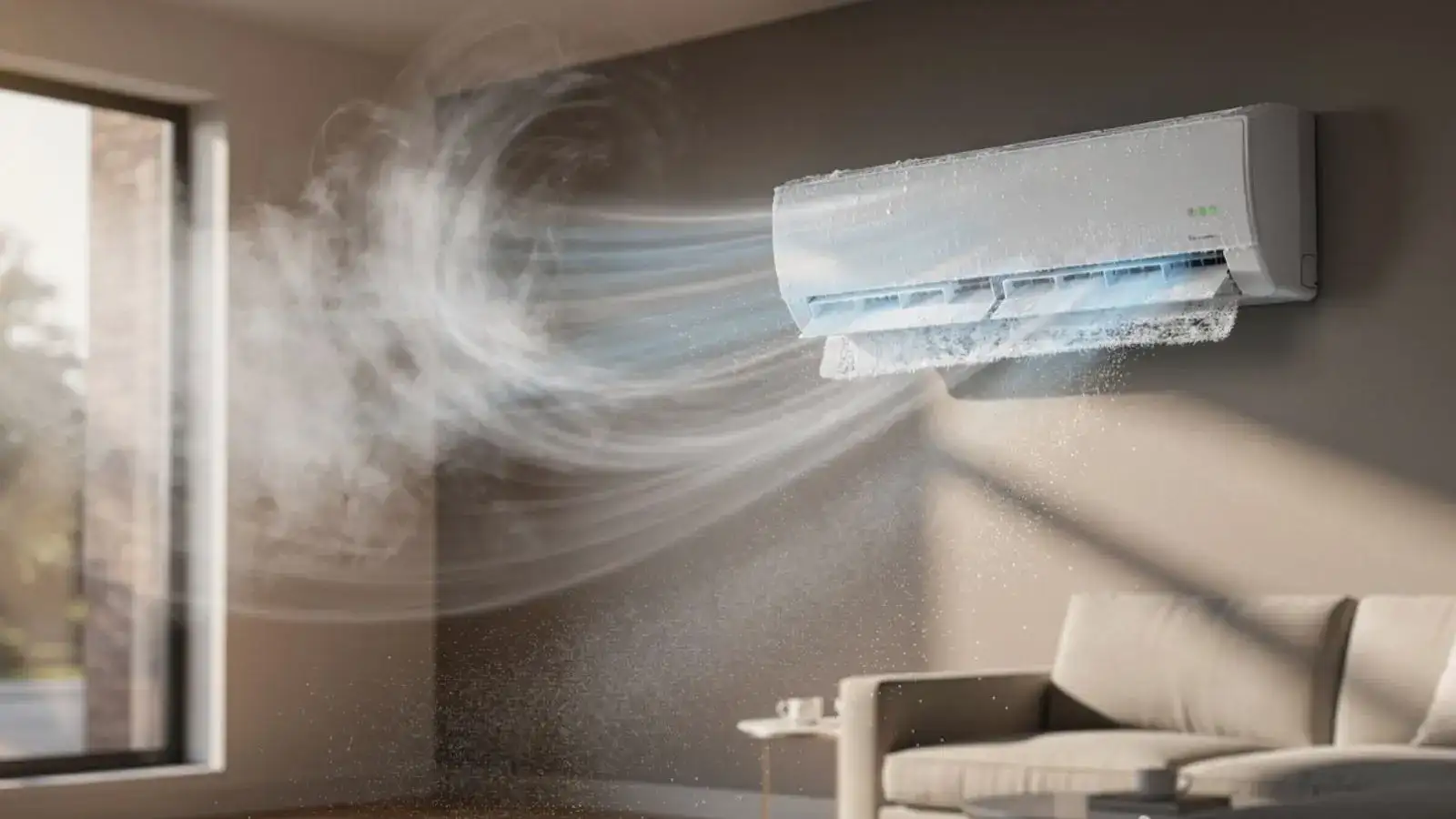
While these incidents are relatively rare, they can be extremely dangerous when they occur. Reports from across the country show that many such explosions are not random. They are usually the result of preventable technical and usage-related issues.
One of the most common causes is overheating.
During peak summer, ACs often run for long hours without a break. This puts continuous pressure on the compressor, which is the core component of the system. Experts describe it as a “pressure cooker effect” where excessive heat and internal pressure can eventually lead to failure or even an explosion.
Another major factor is poor maintenance.
Dust accumulation in filters or internal units blocks airflow, causing the system to work harder than it should. This increases internal pressure and temperature, raising the risk of malfunction. In extreme cases, it can trigger a blast.
Gas leaks are also a serious concern.
Air conditioners rely on refrigerant gases to function. If there is a leak, especially of flammable refrigerants, even a small spark from loose wiring can lead to fire or explosion.
Electrical issues add another layer of risk.
Faulty wiring, voltage fluctuations, and short circuits are common triggers behind AC-related fires in India. With increasing electricity demand during heatwaves, systems are often pushed beyond safe limits.
Improper installation or repair work is another overlooked cause.
Using substandard parts, incorrect gas refilling, or switching on the unit during servicing can create dangerous conditions. Several incidents have occurred during maintenance itself, highlighting how critical professional handling is.
The pattern across these cases is clear.
Most AC blasts are not due to a single failure. They are the result of multiple small issues building up over time.
The good news is that many of these risks are preventable.
Regular servicing before the summer season can identify problems early. Cleaning filters, checking gas pressure, and ensuring proper ventilation around the outdoor unit can significantly reduce stress on the system. Experts also recommend not running ACs continuously for extremely long durations without breaks.
Using stabilisers to manage voltage fluctuations and ensuring proper electrical connections can further lower risk. These are basic precautions, but often ignored until something goes wrong.
There is also a behavioural aspect.
Many users push their ACs to extreme settings, expecting instant cooling in peak heat. This increases load on the compressor and reduces the overall lifespan of the unit. Maintaining moderate temperatures is not just energy-efficient but also safer.
In simple terms, an AC blast is rarely an accident in isolation. It is usually the result of neglect, overload, or poor handling.
As India continues to face intense summers and rising AC usage, awareness becomes critical. Because the same machine that brings relief from heat can become a risk if not used responsibly.
While these incidents are relatively rare, they can be extremely dangerous when they occur. Reports from across the country show that many such explosions are not random. They are usually the result of preventable technical and usage-related issues.
One of the most common causes is overheating.
During peak summer, ACs often run for long hours without a break. This puts continuous pressure on the compressor, which is the core component of the system. Experts describe it as a “pressure cooker effect” where excessive heat and internal pressure can eventually lead to failure or even an explosion.
Another major factor is poor maintenance.
Dust accumulation in filters or internal units blocks airflow, causing the system to work harder than it should. This increases internal pressure and temperature, raising the risk of malfunction. In extreme cases, it can trigger a blast.
Gas leaks are also a serious concern.
Air conditioners rely on refrigerant gases to function. If there is a leak, especially of flammable refrigerants, even a small spark from loose wiring can lead to fire or explosion.
Electrical issues add another layer of risk.
Faulty wiring, voltage fluctuations, and short circuits are common triggers behind AC-related fires in India. With increasing electricity demand during heatwaves, systems are often pushed beyond safe limits.
Improper installation or repair work is another overlooked cause.
Using substandard parts, incorrect gas refilling, or switching on the unit during servicing can create dangerous conditions. Several incidents have occurred during maintenance itself, highlighting how critical professional handling is.
The pattern across these cases is clear.
Most AC blasts are not due to a single failure. They are the result of multiple small issues building up over time.
You may also like
- Baba Vanga's Weekly Horoscope Predictions: May 4th to May 10th, 2026
- Shani Amavasya 2026: Date, Auspicious Alignments, and Rituals
- Guidelines from Garuda Purana on Handling Belongings After a Loss
- गर्मी में गैस बचाने के लिए बिना पकाए स्वादिष्ट रेसिपीज़
- Summer Detox Tips: Boost Hydration and Health Naturally with Aloe Vera Drink
The good news is that many of these risks are preventable.
Regular servicing before the summer season can identify problems early. Cleaning filters, checking gas pressure, and ensuring proper ventilation around the outdoor unit can significantly reduce stress on the system. Experts also recommend not running ACs continuously for extremely long durations without breaks.
Using stabilisers to manage voltage fluctuations and ensuring proper electrical connections can further lower risk. These are basic precautions, but often ignored until something goes wrong.
There is also a behavioural aspect.
Many users push their ACs to extreme settings, expecting instant cooling in peak heat. This increases load on the compressor and reduces the overall lifespan of the unit. Maintaining moderate temperatures is not just energy-efficient but also safer.
In simple terms, an AC blast is rarely an accident in isolation. It is usually the result of neglect, overload, or poor handling.
As India continues to face intense summers and rising AC usage, awareness becomes critical. Because the same machine that brings relief from heat can become a risk if not used responsibly.






More from our partners


Loving Newspoint? Download the app now
