
Alcohol and Tobacco: Why the Mouth Bears the Highest Combined Risk


Oral cancer accounts for roughly a third of all cancers diagnosed in India, and the two substances most consistently linked to it are alcohol and tobacco, not in sequence, but simultaneously. The mouth is where both exposures converge, and that convergence matters more than either exposure alone.
What Alcohol Does to Oral Tissue on Its Own
Ethanol does not cause oral cancer directly. Its primary metabolite, acetaldehyde, does. When alcohol is broken down in the mouth, partly by oral bacteria, partly by the liver, acetaldehyde accumulates in saliva at concentrations higher than those found in the blood. Acetaldehyde binds to DNA in mucosal cells and disrupts their repair mechanisms. Over time, this increases the probability of a replication error that does not correct itself.

Beyond acetaldehyde, alcohol dehydrates mucosal tissue, reduces saliva flow, and alters the oral microbiome in ways that favour harmful bacterial populations. Saliva is not just moisture, it buffers acid, delivers antimicrobial proteins, and begins the mechanical clearance of carcinogens. Anything that reduces salivary output extends the contact time between a harmful substance and the tissue it touches.
What Tobacco Does Differently Smoked tobacco delivers over 70 known carcinogens directly to the oral mucosa, the tongue, the floor of the mouth, and the throat. The heat itself damages the epithelium, and repeated thermal injury reduces the tissue's capacity to regenerate normally. Smokeless tobacco, gutka, khaini, pan masala with tobacco, holds carcinogens in sustained contact with the gum margin and cheek lining, which is why submucous fibrosis and leukoplakia appear preferentially at those sites.
Tobacco also causes vasoconstriction, reducing blood supply to the gum tissue. This masks the inflammation that would otherwise signal early periodontal disease, which is why smokers often present with more advanced gum destruction than their symptoms suggest. A dentist examining a smoker's mouth is working with less visible information than the tissue damage warrants.
The Synergistic Effect When Both Are Present When alcohol and tobacco are used together, the risk of oral cancer is not additive, it is synergistic. Alcohol increases the permeability of the oral mucosa, allowing tobacco carcinogens to penetrate tissue layers they would not otherwise reach in the same concentrations. At the same time, acetaldehyde from alcohol and tobacco carcinogens act on overlapping DNA repair pathways, compounding the probability of unrepaired mutations.
Epidemiological data from multiple countries, including India where both habits frequently co-occur, consistently show that people who drink heavily and use tobacco carry an oral cancer risk many times higher than those who use either substance alone. The floor of the mouth and the lateral border of the tongue are the sites most commonly affected, partly because saliva pools there, concentrating both acetaldehyde and dissolved carcinogens.
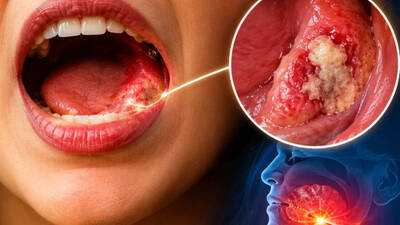
What Changes in the Mouth Before a Diagnosis Oral potentially malignant disorders are the tissue changes that precede cancer and are detectable on clinical examination. Leukoplakia presents as a white patch that cannot be wiped off. Erythroplakia is a red velvety patch and carries a higher rate of malignant transformation. Oral submucous fibrosis, strongly associated with areca nut and tobacco products common in India, causes progressive stiffening of the cheek lining and reduced mouth opening.
None of these conditions are reliably self-diagnosed. A white patch that has been present for more than two weeks, any unexplained ulcer that does not heal, or a change in the texture of the inner cheek warrants a clinical assessment, not a wait-and-see approach. Incorrectly self-treating these lesions, including applying topical agents bought without a prescription, can mask early changes and delay a diagnosis that matters significantly for outcome.
What Reduction Actually Achieves The oral mucosa turns over relatively quickly compared to other tissues, and some of the carcinogen-related changes are reversible in early stages if the exposure stops. Periodontal tissue responds to tobacco cessation within months, gum inflammation becomes visible again, and treatment becomes more effective. The acetaldehyde load from alcohol drops immediately when drinking stops or is substantially reduced.
This does not mean the risk resets to zero. Years of combined exposure leave a residual elevation in risk that persists, which is why anyone with a long history of both habits should maintain regular dental check-ups that include a soft-tissue examination, not just a look at the teeth. A dentist who only checks for cavities in this context is not examining the right things. Ask specifically for an oral mucosal check.
The mouth does not get the same attention as the lung or the liver in conversations about alcohol and tobacco. It absorbs the first and highest concentration of both, and it shows the damage earlier than most other sites. That makes it the most useful place to catch something while it is still catchable.
Discover expert advice and the latest updates in Skin Care, Hair Care, Wellness, Dermatology, and more at Stay Young guide to lasting beauty and holistic health!
What Alcohol Does to Oral Tissue on Its Own
Ethanol does not cause oral cancer directly. Its primary metabolite, acetaldehyde, does. When alcohol is broken down in the mouth, partly by oral bacteria, partly by the liver, acetaldehyde accumulates in saliva at concentrations higher than those found in the blood. Acetaldehyde binds to DNA in mucosal cells and disrupts their repair mechanisms. Over time, this increases the probability of a replication error that does not correct itself.
Beyond acetaldehyde, alcohol dehydrates mucosal tissue, reduces saliva flow, and alters the oral microbiome in ways that favour harmful bacterial populations. Saliva is not just moisture, it buffers acid, delivers antimicrobial proteins, and begins the mechanical clearance of carcinogens. Anything that reduces salivary output extends the contact time between a harmful substance and the tissue it touches.
What Tobacco Does Differently Smoked tobacco delivers over 70 known carcinogens directly to the oral mucosa, the tongue, the floor of the mouth, and the throat. The heat itself damages the epithelium, and repeated thermal injury reduces the tissue's capacity to regenerate normally. Smokeless tobacco, gutka, khaini, pan masala with tobacco, holds carcinogens in sustained contact with the gum margin and cheek lining, which is why submucous fibrosis and leukoplakia appear preferentially at those sites.
Tobacco also causes vasoconstriction, reducing blood supply to the gum tissue. This masks the inflammation that would otherwise signal early periodontal disease, which is why smokers often present with more advanced gum destruction than their symptoms suggest. A dentist examining a smoker's mouth is working with less visible information than the tissue damage warrants.
The Synergistic Effect When Both Are Present When alcohol and tobacco are used together, the risk of oral cancer is not additive, it is synergistic. Alcohol increases the permeability of the oral mucosa, allowing tobacco carcinogens to penetrate tissue layers they would not otherwise reach in the same concentrations. At the same time, acetaldehyde from alcohol and tobacco carcinogens act on overlapping DNA repair pathways, compounding the probability of unrepaired mutations.
Epidemiological data from multiple countries, including India where both habits frequently co-occur, consistently show that people who drink heavily and use tobacco carry an oral cancer risk many times higher than those who use either substance alone. The floor of the mouth and the lateral border of the tongue are the sites most commonly affected, partly because saliva pools there, concentrating both acetaldehyde and dissolved carcinogens.
What Changes in the Mouth Before a Diagnosis Oral potentially malignant disorders are the tissue changes that precede cancer and are detectable on clinical examination. Leukoplakia presents as a white patch that cannot be wiped off. Erythroplakia is a red velvety patch and carries a higher rate of malignant transformation. Oral submucous fibrosis, strongly associated with areca nut and tobacco products common in India, causes progressive stiffening of the cheek lining and reduced mouth opening.
None of these conditions are reliably self-diagnosed. A white patch that has been present for more than two weeks, any unexplained ulcer that does not heal, or a change in the texture of the inner cheek warrants a clinical assessment, not a wait-and-see approach. Incorrectly self-treating these lesions, including applying topical agents bought without a prescription, can mask early changes and delay a diagnosis that matters significantly for outcome.
What Reduction Actually Achieves The oral mucosa turns over relatively quickly compared to other tissues, and some of the carcinogen-related changes are reversible in early stages if the exposure stops. Periodontal tissue responds to tobacco cessation within months, gum inflammation becomes visible again, and treatment becomes more effective. The acetaldehyde load from alcohol drops immediately when drinking stops or is substantially reduced.
This does not mean the risk resets to zero. Years of combined exposure leave a residual elevation in risk that persists, which is why anyone with a long history of both habits should maintain regular dental check-ups that include a soft-tissue examination, not just a look at the teeth. A dentist who only checks for cavities in this context is not examining the right things. Ask specifically for an oral mucosal check.
The mouth does not get the same attention as the lung or the liver in conversations about alcohol and tobacco. It absorbs the first and highest concentration of both, and it shows the damage earlier than most other sites. That makes it the most useful place to catch something while it is still catchable.
Discover expert advice and the latest updates in Skin Care, Hair Care, Wellness, Dermatology, and more at Stay Young guide to lasting beauty and holistic health!
Next Story