
Ali Fazal's Guddu Pandit body wasn't built in the gym alone: His 8-month mix of lifting, kickboxing and grappling


Ali Fazal is back as Guddu Pandit in Mirzapur The Movie , and the physical preparation for the role went well beyond standard gym sessions. To look lean and muscular on screen while staying agile enough for demanding action sequences, the actor spent eight to nine months working with coach Rohit Nair. The plan mixed strength training, functional work, mobility drills and combat disciplines such as kickboxing, grappling and jiu-jitsu.
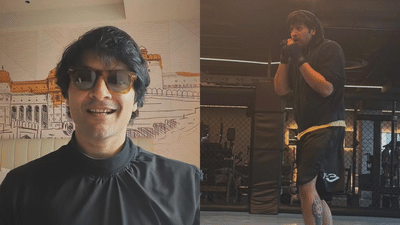
In an interview with The Telegraph, Nair explained that the focus was never just on adding size. The goal was a body that looked athletic on camera yet could move freely and handle the physical demands of the character. The result was a leaner version of Fazal’s naturally broad frame, built through consistent, varied training rather than a pure bodybuilding approach.
Creating a strong clear structureFazal trained using a push-pull-legs split, often with a double-muscle approach. Push days focused on the chest, shoulders and triceps. Pull Back and biceps on work days. Leg workouts worked the big muscles of the lower body. Bodyweight pull-ups featured regularly as a straightforward way to build upper-body strength.
The emphasis stayed on compound lifts such as squats, presses, rows and deadlift variations. These movements train several muscle groups at once and demand core stability. Nair noted that the priority was improving performance on these lifts rather than chasing a temporary pump or piling on extra exercises. Arm-wrestling specific work also formed part of the plan, strengthening the wrists, fingers, grip and hand control needed for grappling sequences.
Functional training for real movementLooking strong is one thing; moving well during action is another. Functional training became a central piece of the preparation because Guddu Pandit spends a lot of screen time in physical confrontations. These exercises require multiple muscles to work together while the body stays stable and controlled. They challenge balance, coordination and movement efficiency.
The aim was never simply to make Fazal appear larger. The training had to support the kind of dynamic, demanding sequences the role required. Functional work helped bridge the gap between gym strength and on-set performance.
Mobility, kickboxing and grapplingStrength alone can become limiting if joints do not move freely. Mobility and flexibility sessions were therefore built into the programme. Better joint range and muscle length make everyday actions like lunging, changing direction or rising from the floor smoother. They also help when executing combat techniques.
Kickboxing, which Fazal was already practising with Nair, added another layer. The repeated striking, footwork and quick changes of position require cardiovascular fitness, muscular endurance, co-ordination and agility. For a character involved in frequent fights, the timing and movement patterns developed in the ring translate naturally to the screen.
Grappling, wrestling and jiu-jitsu completed the combat side. These disciplines demand constant adjustment of body position, pulling, pushing and maintaining control against resistance. According to Nair, they also improved flexibility and prepared Fazal for the realistic physical demands of the Mirzapur action. A study published in Sports Medicine Open has noted that jiu-jitsu training can lower body-fat percentage while building lean muscle through intense, full-body resistance.
Training for function, not just appearancePerhaps the most useful takeaway from Fazal’s preparation is the clear priority: the body needed to perform, not just look a certain way. Over eight to nine months the focus remained on reducing body fat while keeping the broad frame that suits the character. The final result was leaner and more athletic without sacrificing the physical presence Guddu Pandit requires.
Anyone inspired by the transformation should remember that the exact mix of heavy lifting, functional work and combat sports is not a one-size-fits-all prescription. Individual fitness level, experience and injury history matter. Professional guidance is important when programmes include intense strength work or contact disciplines.
Ali Fazal’s approach shows that an effective plan can combine compound strength training, a structured push-pull-legs routine, functional movement, mobility work, kickboxing and grappling. The larger lesson is straightforward: train for what the body actually needs to do. For an action-heavy role like Guddu Pandit, strength, leanness, mobility and combat conditioning proved more valuable than muscle size alone.
In an interview with The Telegraph, Nair explained that the focus was never just on adding size. The goal was a body that looked athletic on camera yet could move freely and handle the physical demands of the character. The result was a leaner version of Fazal’s naturally broad frame, built through consistent, varied training rather than a pure bodybuilding approach.
Creating a strong clear structureFazal trained using a push-pull-legs split, often with a double-muscle approach. Push days focused on the chest, shoulders and triceps. Pull Back and biceps on work days. Leg workouts worked the big muscles of the lower body. Bodyweight pull-ups featured regularly as a straightforward way to build upper-body strength.
The emphasis stayed on compound lifts such as squats, presses, rows and deadlift variations. These movements train several muscle groups at once and demand core stability. Nair noted that the priority was improving performance on these lifts rather than chasing a temporary pump or piling on extra exercises. Arm-wrestling specific work also formed part of the plan, strengthening the wrists, fingers, grip and hand control needed for grappling sequences.
Functional training for real movementLooking strong is one thing; moving well during action is another. Functional training became a central piece of the preparation because Guddu Pandit spends a lot of screen time in physical confrontations. These exercises require multiple muscles to work together while the body stays stable and controlled. They challenge balance, coordination and movement efficiency.
The aim was never simply to make Fazal appear larger. The training had to support the kind of dynamic, demanding sequences the role required. Functional work helped bridge the gap between gym strength and on-set performance.
Mobility, kickboxing and grapplingStrength alone can become limiting if joints do not move freely. Mobility and flexibility sessions were therefore built into the programme. Better joint range and muscle length make everyday actions like lunging, changing direction or rising from the floor smoother. They also help when executing combat techniques.
Kickboxing, which Fazal was already practising with Nair, added another layer. The repeated striking, footwork and quick changes of position require cardiovascular fitness, muscular endurance, co-ordination and agility. For a character involved in frequent fights, the timing and movement patterns developed in the ring translate naturally to the screen.
Grappling, wrestling and jiu-jitsu completed the combat side. These disciplines demand constant adjustment of body position, pulling, pushing and maintaining control against resistance. According to Nair, they also improved flexibility and prepared Fazal for the realistic physical demands of the Mirzapur action. A study published in Sports Medicine Open has noted that jiu-jitsu training can lower body-fat percentage while building lean muscle through intense, full-body resistance.
Training for function, not just appearancePerhaps the most useful takeaway from Fazal’s preparation is the clear priority: the body needed to perform, not just look a certain way. Over eight to nine months the focus remained on reducing body fat while keeping the broad frame that suits the character. The final result was leaner and more athletic without sacrificing the physical presence Guddu Pandit requires.
Anyone inspired by the transformation should remember that the exact mix of heavy lifting, functional work and combat sports is not a one-size-fits-all prescription. Individual fitness level, experience and injury history matter. Professional guidance is important when programmes include intense strength work or contact disciplines.
Ali Fazal’s approach shows that an effective plan can combine compound strength training, a structured push-pull-legs routine, functional movement, mobility work, kickboxing and grappling. The larger lesson is straightforward: train for what the body actually needs to do. For an action-heavy role like Guddu Pandit, strength, leanness, mobility and combat conditioning proved more valuable than muscle size alone.
Next Story