
Always Busy With Work? Here Is Why A Cat Could Be The Perfect Pet Companion

For people with demanding jobs, packed schedules or frequent commitments, a pet may seem difficult to manage. Cats are often considered a practical choice because many are comfortable spending part of the day resting independently, provided their needs are met. Their routines can fit around working hours more easily than those of some pets.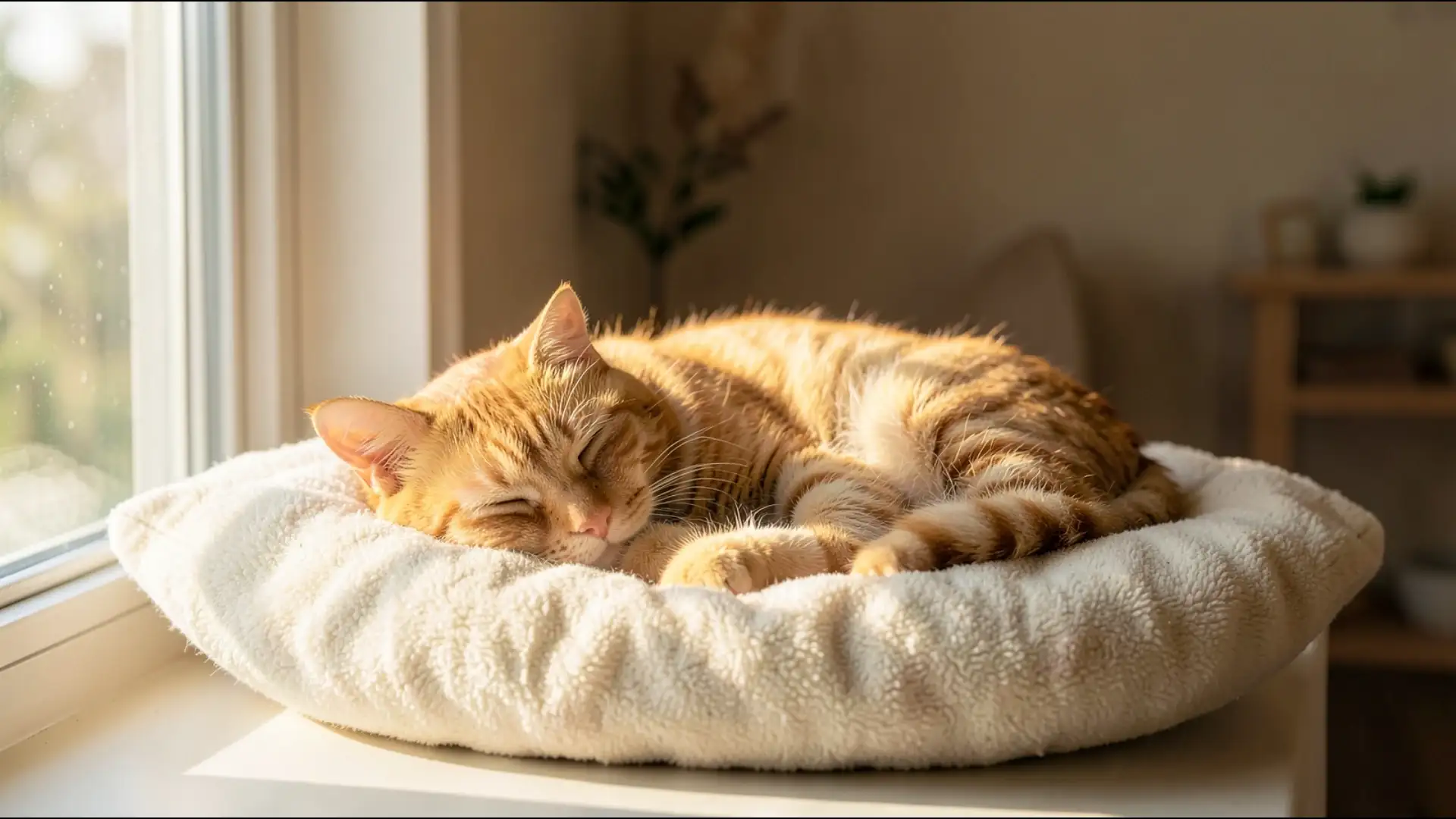
That does not mean cats are maintenance-free or should be left without attention. They need daily care, stimulation and companionship, but their mix of independence and affection can suit busy households. Understanding what they require helps owners build a routine that works for both sides.
Unlike pets that require frequent outdoor walks, cats generally do not need scheduled walks to meet their everyday exercise requirements. Indoor play, climbing opportunities and interactive toys can help keep them active.
However, kittens, elderly cats and animals with particular health or behavioural needs may require additional attention.
Automatic feeders may help maintain consistent meal timings when used appropriately. Fresh water should always be available, and litter trays need regular cleaning.
For people with unpredictable schedules, planning these basic responsibilities in advance can make pet care easier to manage.
Short-haired cats generally need less brushing than long-haired varieties, although occasional grooming remains beneficial. Regularly checking their coat, ears, claws and teeth is also important.
Owners should remember that self-grooming does not replace veterinary care or proper hygiene.
After a demanding day, spending quiet time with a companion animal can be comforting. According to experts in animal behaviour, positive interactions between people and pets can support emotional wellbeing, although individual experiences vary.
Even independent cats benefit from regular attention and social interaction.
Short play sessions before leaving for work and after returning home can provide valuable mental and physical stimulation. Rotating toys occasionally can also make familiar objects more interesting.
Their independence makes them adaptable companions, but not self-sufficient ones. With thoughtful planning, consistent attention and a comfortable home environment, cats can fit beautifully into the lives of people with busy schedules.
That does not mean cats are maintenance-free or should be left without attention. They need daily care, stimulation and companionship, but their mix of independence and affection can suit busy households. Understanding what they require helps owners build a routine that works for both sides.
1. They Are Comfortable With Independent Time
One reason cats appeal to working professionals is their ability to spend time independently. Many adult cats are comfortable resting, observing their surroundings or exploring familiar areas while their owners are away.Unlike pets that require frequent outdoor walks, cats generally do not need scheduled walks to meet their everyday exercise requirements. Indoor play, climbing opportunities and interactive toys can help keep them active.
However, kittens, elderly cats and animals with particular health or behavioural needs may require additional attention.
2. Their Daily Routine Can Be Flexible
Cats usually establish familiar patterns around eating, resting, grooming and play. Owners can organise feeding and interaction around work commitments, provided meals and essential care are not neglected.Automatic feeders may help maintain consistent meal timings when used appropriately. Fresh water should always be available, and litter trays need regular cleaning.
For people with unpredictable schedules, planning these basic responsibilities in advance can make pet care easier to manage.
3. They Do Not Require Frequent Grooming Sessions
Cats are naturally clean animals and spend considerable time grooming themselves. This can reduce the amount of daily maintenance required from owners.Short-haired cats generally need less brushing than long-haired varieties, although occasional grooming remains beneficial. Regularly checking their coat, ears, claws and teeth is also important.
Owners should remember that self-grooming does not replace veterinary care or proper hygiene.
4. They Offer Affection And Companionship
Cats have different ways of showing affection. Some enjoy sitting beside their owners, while others communicate through purring, gentle head nudges or following familiar people around the home.After a demanding day, spending quiet time with a companion animal can be comforting. According to experts in animal behaviour, positive interactions between people and pets can support emotional wellbeing, although individual experiences vary.
Even independent cats benefit from regular attention and social interaction.
5. Indoor Entertainment Can Keep Them Engaged
A busy owner can create an interesting indoor environment with scratching posts, puzzle feeders, climbing furniture and safe toys.Short play sessions before leaving for work and after returning home can provide valuable mental and physical stimulation. Rotating toys occasionally can also make familiar objects more interesting.
6. Responsible Care Still Comes First
Before adopting a cat, consider holidays, emergency arrangements, veterinary expenses and daily feeding responsibilities. Cats should not be left alone for extended periods without suitable care.Their independence makes them adaptable companions, but not self-sufficient ones. With thoughtful planning, consistent attention and a comfortable home environment, cats can fit beautifully into the lives of people with busy schedules.
Next Story