
8 Amazing Facts About India's Forest Ecosystems That Reveal Their Hidden Wonders

India is home to an extraordinary variety of forest ecosystems, ranging from evergreen rainforests and tropical deciduous forests to mangroves and high-altitude Himalayan woodlands. These forests are much more than collections of trees. They support diverse wildlife, protect water sources, regulate local climates and provide livelihoods for millions of people. Different regions have developed distinct forest landscapes because of variations in rainfall, temperature, altitude and soil conditions. From the dense greenery of the Western Ghats to the tidal forests of the Sundarbans, India's forests contain several fascinating natural features that make them important for biodiversity and environmental balance.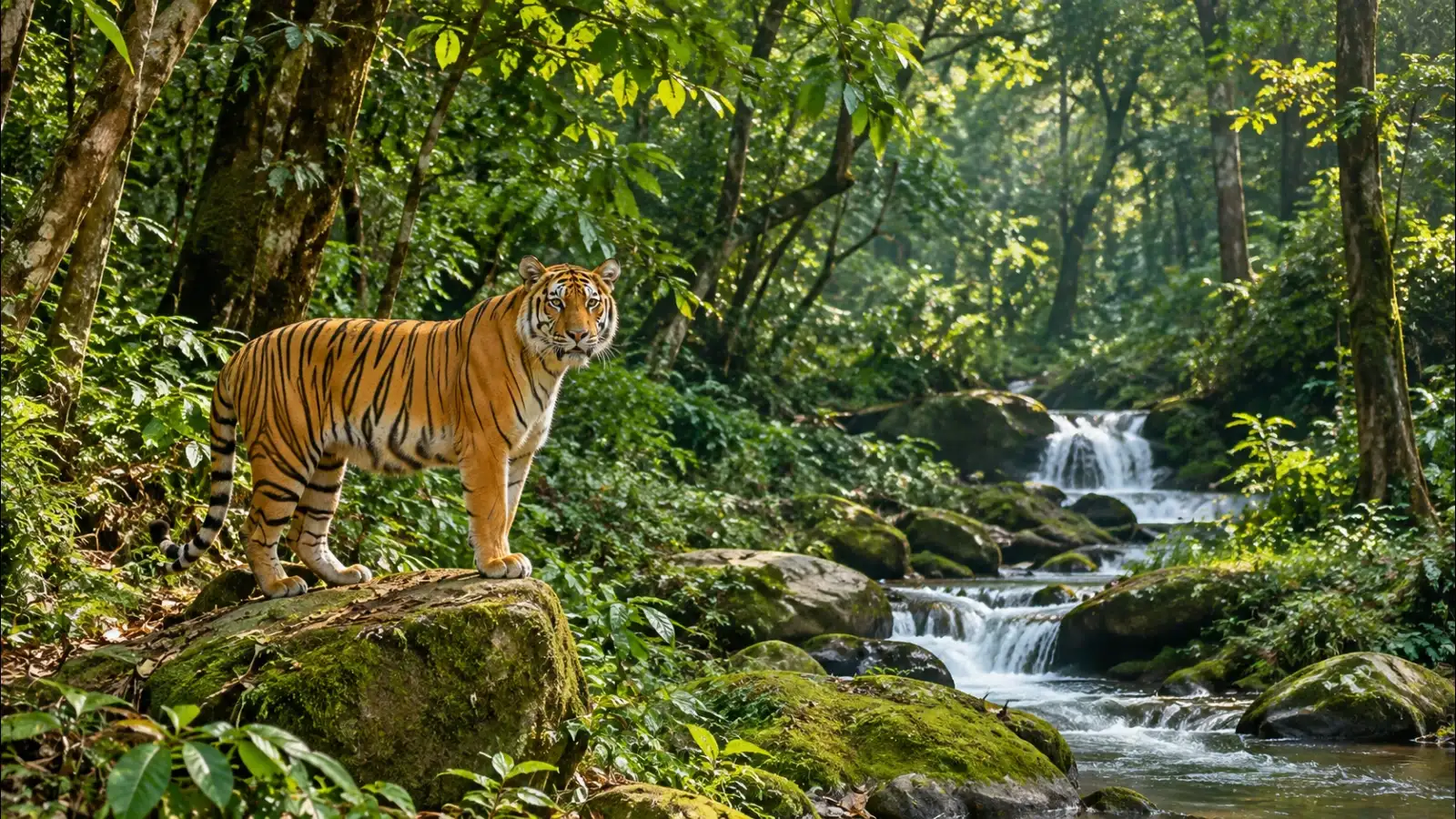
These include tropical evergreen forests, tropical deciduous forests, thorn forests, montane forests and mangrove forests. Each ecosystem has its own vegetation, wildlife and environmental conditions.
For example, evergreen forests are common in areas with heavy rainfall, while deciduous forests shed their leaves during the dry season to conserve water.
It is particularly important for endemic wildlife, meaning species that are naturally found only in a specific geographical region. Animals such as the lion-tailed macaque, Nilgiri tahr and Malabar giant squirrel are associated with this landscape.
The Western Ghats are also recognised as a UNESCO World Heritage Site because of their exceptional natural significance.
Mangrove trees have special adaptations that help them survive in waterlogged and saline environments. Their roots can help stabilise coastal soil and reduce the impact of waves and erosion.
The Sundarbans are also an important habitat for the Bengal tiger, fishing cats, crocodiles, deer and many bird species.
At still greater elevations, dense forests gradually give way to alpine meadows and vegetation adapted to colder conditions.
This variation creates different habitats for wildlife, including red pandas, Himalayan black bears, musk deer and several mountain bird species.
Smaller species are equally important. Insects, fungi and microorganisms help break down organic matter, recycle nutrients and maintain soil health.
The survival of these interconnected species helps keep forest ecosystems functioning.
Their leaves release water vapour into the atmosphere, contributing to local moisture cycles. Forest vegetation also helps rainwater enter the soil, reduces surface runoff and can limit soil erosion.
Healthy forest catchments are particularly important for maintaining the flow of rivers and streams.
Non-timber forest products such as honey, bamboo, medicinal plants, fruits and leaves also support local livelihoods.
Community participation in conservation can help protect forests while recognising the rights, knowledge and needs of people who have lived alongside these ecosystems for generations.
Forest fires are another concern, particularly during dry seasons. Some fires occur naturally or through traditional land-use practices, but uncontrolled fires can damage vegetation, wildlife habitats and soil quality.
Forest restoration, responsible tourism, sustainable resource use and effective protection measures are important for maintaining these ecosystems.
India's forest ecosystems are remarkable because they combine extraordinary biodiversity with important environmental and cultural roles. From the mangroves of the Sundarbans to the high-altitude forests of the Himalayas, every region supports a distinctive natural environment. Protecting these landscapes is essential not only for wildlife but also for water security, climate resilience and the livelihoods of forest-dependent communities. Understanding their importance is an important step towards encouraging responsible conservation.
1. India Has Several Different Types of Forests
One of the most interesting facts about India's forests is their remarkable diversity. The country's varied geography and climate support multiple forest types.These include tropical evergreen forests, tropical deciduous forests, thorn forests, montane forests and mangrove forests. Each ecosystem has its own vegetation, wildlife and environmental conditions.
For example, evergreen forests are common in areas with heavy rainfall, while deciduous forests shed their leaves during the dry season to conserve water.
2. The Western Ghats Are a Biodiversity Hotspot
The Western Ghats are among India's most important natural regions for biodiversity. Stretching along the western side of the country, this mountain range supports tropical forests and numerous plant and animal species.It is particularly important for endemic wildlife, meaning species that are naturally found only in a specific geographical region. Animals such as the lion-tailed macaque, Nilgiri tahr and Malabar giant squirrel are associated with this landscape.
The Western Ghats are also recognised as a UNESCO World Heritage Site because of their exceptional natural significance.
3. The Sundarbans Have the World's Largest Mangrove Forest
The Sundarbans, spread across India and Bangladesh, form the world's largest mangrove forest region. The Indian part lies mainly in West Bengal and is famous for its complex network of tidal waterways, muddy islands and salt-tolerant vegetation.Mangrove trees have special adaptations that help them survive in waterlogged and saline environments. Their roots can help stabilise coastal soil and reduce the impact of waves and erosion.
The Sundarbans are also an important habitat for the Bengal tiger, fishing cats, crocodiles, deer and many bird species.
4. Himalayan Forests Change With Altitude
The forests of the Himalayas are especially fascinating because their vegetation changes with elevation. Lower slopes support broadleaf forests, while higher areas may contain oak, pine, deodar, fir and other coniferous trees.At still greater elevations, dense forests gradually give way to alpine meadows and vegetation adapted to colder conditions.
This variation creates different habitats for wildlife, including red pandas, Himalayan black bears, musk deer and several mountain bird species.
5. Indian Forests Support Thousands of Wildlife Species
India's forests provide habitats for an impressive range of mammals, birds, reptiles, amphibians and insects. Large animals such as elephants, tigers, leopards and gaur depend on forest landscapes for food, shelter and movement.Smaller species are equally important. Insects, fungi and microorganisms help break down organic matter, recycle nutrients and maintain soil health.
The survival of these interconnected species helps keep forest ecosystems functioning.
6. Forests Help Regulate Water and Climate
Forests play an important role in maintaining environmental balance. Trees absorb carbon dioxide during photosynthesis and store carbon in their trunks, roots and surrounding soil.Their leaves release water vapour into the atmosphere, contributing to local moisture cycles. Forest vegetation also helps rainwater enter the soil, reduces surface runoff and can limit soil erosion.
Healthy forest catchments are particularly important for maintaining the flow of rivers and streams.
7. Many Indian Communities Depend on Forest Resources
Forests have a close connection with the everyday lives and cultural traditions of many communities across India. Several indigenous and forest-dependent communities rely on forests for food, traditional medicines, fuel, building materials and other resources.Non-timber forest products such as honey, bamboo, medicinal plants, fruits and leaves also support local livelihoods.
Community participation in conservation can help protect forests while recognising the rights, knowledge and needs of people who have lived alongside these ecosystems for generations.
8. Forest Fires and Deforestation Are Major Challenges
Despite their ecological importance, India's forests face several challenges. Deforestation, habitat fragmentation, illegal activities, invasive species and climate change can put pressure on natural ecosystems.Forest fires are another concern, particularly during dry seasons. Some fires occur naturally or through traditional land-use practices, but uncontrolled fires can damage vegetation, wildlife habitats and soil quality.
Forest restoration, responsible tourism, sustainable resource use and effective protection measures are important for maintaining these ecosystems.
India's forest ecosystems are remarkable because they combine extraordinary biodiversity with important environmental and cultural roles. From the mangroves of the Sundarbans to the high-altitude forests of the Himalayas, every region supports a distinctive natural environment. Protecting these landscapes is essential not only for wildlife but also for water security, climate resilience and the livelihoods of forest-dependent communities. Understanding their importance is an important step towards encouraging responsible conservation.






Loving Newspoint? Download the app now
