
Jhelum River: The Battle Of Hydaspes And Ancient Names

The Jhelum River has played a vital role in history and culture for thousands of years. Known as Vitasta in the Rigveda, the oldest sacred text of India, its name signifies the widespread nature of the river. Ancient Greek historians, documenting Alexander the Great’s campaigns, referred to it as Hydaspes, while locals in Kashmir still call it Vyeth.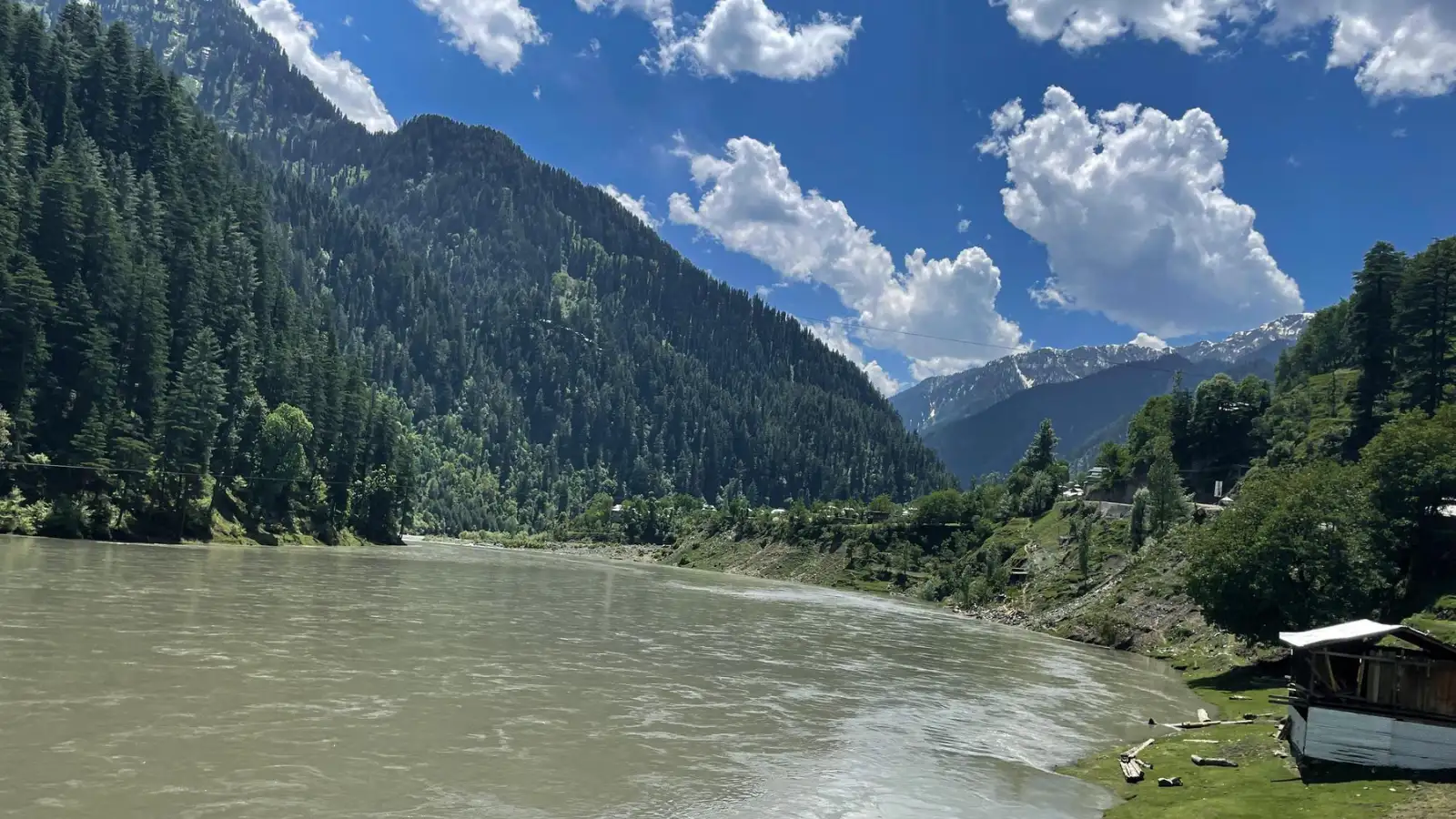
Origin of the Jhelum River
The river originates from the Chashma Verinag spring, nestled at the foothills of the Banihal Pass in the southeast of the Kashmir Valley. From there, it winds westward, following a zig-zag path through the valley. With an average elevation of 1,829 metres, the surrounding mountains remain snow-capped for most of the year, feeding the river with meltwater.
Geography and River System
The Jhelum is a west-flowing river and a major tributary of the Indus River. Its unique features include high riverbanks, zig-zag paths between Srinagar and Khanabal, and low swampy regions prone to flooding during heavy rains. The river has historically influenced infrastructure, such as roads and bridges, designed to protect Srinagar from rising waters.
Historical Significance
The Battle of the Hydaspes
One of the most famous events in world history, the Battle of the Hydaspes (326 BC), was fought along the river’s banks between Alexander the Great and King Porus. Alexander’s admiration for Porus’ bravery led him to return the defeated king his kingdom—a legendary tale of courage and diplomacy.
Lifeline of Kashmir
The Jhelum flows through the heart of Srinagar, shaping its culture, architecture, and economy. Iconic houseboats and bridges, known locally as kadals, are integral to the river’s heritage.
Mention in Ancient Texts
Apart from the Rigveda, the Nilamata Purana also references the river, highlighting its sacred status in local traditions and reinforcing its cultural and religious significance.
The Jhelum River is more than just a waterway. Known as Vitasta in Indian texts and Hydaspes in Greek records, it has witnessed battles, nurtured civilizations, and shaped the identity of the Kashmir Valley. Its ancient names are a testament to its enduring historical and cultural legacy.
Origin of the Jhelum River
The river originates from the Chashma Verinag spring, nestled at the foothills of the Banihal Pass in the southeast of the Kashmir Valley. From there, it winds westward, following a zig-zag path through the valley. With an average elevation of 1,829 metres, the surrounding mountains remain snow-capped for most of the year, feeding the river with meltwater. Geography and River System
The Jhelum is a west-flowing river and a major tributary of the Indus River. Its unique features include high riverbanks, zig-zag paths between Srinagar and Khanabal, and low swampy regions prone to flooding during heavy rains. The river has historically influenced infrastructure, such as roads and bridges, designed to protect Srinagar from rising waters.You may also like
- Keep Digital Copies of Your DL and RC on Your Phone; No Need for Paper Copies—Here's How
- Why you should never shower while the washing machine is running
- Do You Invest in PPF? Don't Forget This Date in April, or You Could Face a Major Loss
- Four Essential Superfoods for Men's Health and Energy
- Quote of the day by Mata Amritanandamayi: “Happiness is not found in external circumstances but in the depths of your own being”
Historical Significance
The Battle of the Hydaspes
One of the most famous events in world history, the Battle of the Hydaspes (326 BC), was fought along the river’s banks between Alexander the Great and King Porus. Alexander’s admiration for Porus’ bravery led him to return the defeated king his kingdom—a legendary tale of courage and diplomacy. Lifeline of Kashmir
The Jhelum flows through the heart of Srinagar, shaping its culture, architecture, and economy. Iconic houseboats and bridges, known locally as kadals, are integral to the river’s heritage.Mention in Ancient Texts
Apart from the Rigveda, the Nilamata Purana also references the river, highlighting its sacred status in local traditions and reinforcing its cultural and religious significance. The Jhelum River is more than just a waterway. Known as Vitasta in Indian texts and Hydaspes in Greek records, it has witnessed battles, nurtured civilizations, and shaped the identity of the Kashmir Valley. Its ancient names are a testament to its enduring historical and cultural legacy.






More from our partners


Loving Newspoint? Download the app now
