
Ancient Rituals So Strange They Still Baffle The Modern World

The ancient world was shaped not only by empires and monuments but by the strange and symbolic rituals that people believed kept their worlds in balance. Across continents, civilisations practised ceremonies that now seem unthinkable — from ritual cannibalism to blood sacrifices and funeral rites involving fire and vultures. These customs were deeply rooted in spiritual beliefs, societal order, and the mysteries of life and death. Though many of them faded with time, they continue to fascinate historians, anthropologists and curious minds alike for what they reveal about humanity's search for meaning in the unknown.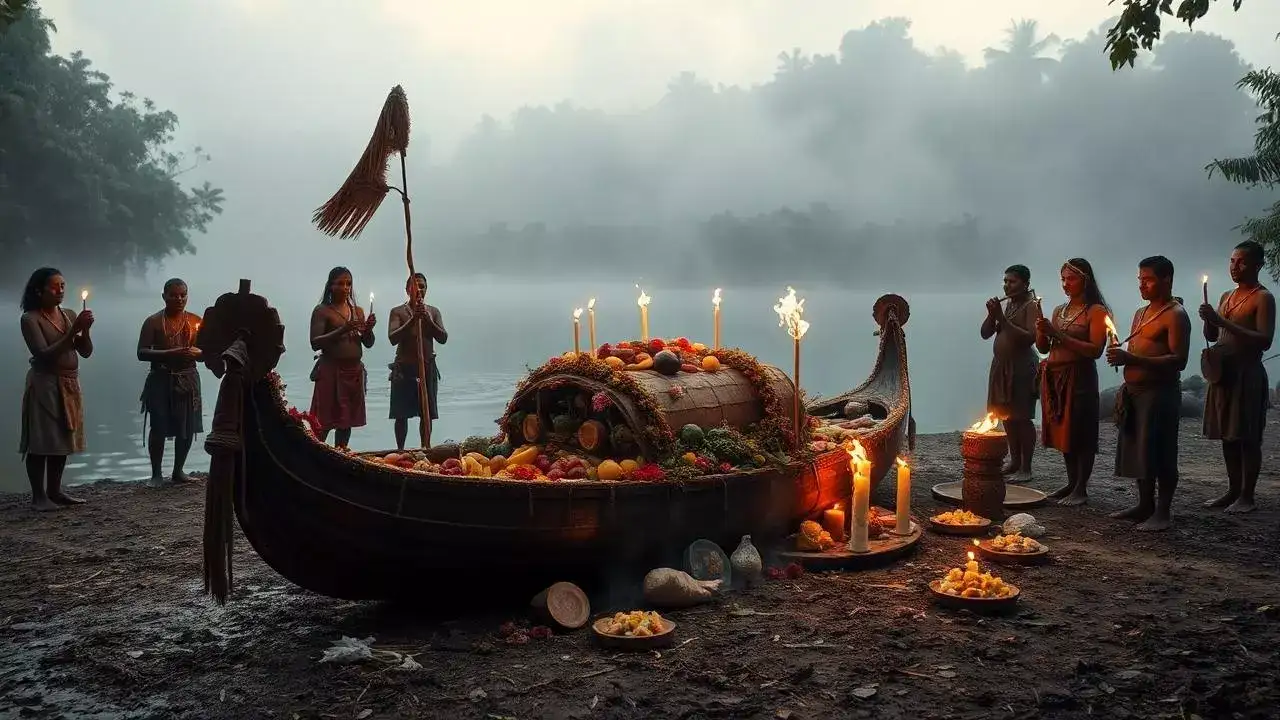
Cannibalism as a Sacred Farewell
Some South American and Melanesian tribes practised endocannibalism — the consumption of deceased family members — as an act of love, not violence. The ritual was believed to maintain a connection with the dead by allowing their spirit to live on within the living. Unlike the often misrepresented image of cannibalism, this tradition stemmed from respect, remembrance, and spiritual continuity. It helped mourners process grief by keeping a part of their loved one physically and symbolically close.The Egyptian Opening of the Mouth Ceremony
In ancient Egypt, the journey to the afterlife was just as important as life itself. To prepare the dead for this passage, priests performed the "Opening of the Mouth" ceremony during mummification. Using ceremonial tools, they would symbolically open the deceased’s mouth to restore the senses — enabling them to eat, speak and breathe in the next world. This ritual reflected a belief that death was not the end, but a transformation that required precise preparation and divine blessing.Mayan Bloodletting for Cosmic Balance
The Maya believed that human blood was a sacred force that nourished the gods. Rulers and high priests would pierce their tongues, earlobes, or even genitals during religious ceremonies, offering the blood as a sign of devotion. The ritual, though painful, was voluntary and central to maintaining cosmic balance and agricultural fertility. Bloodletting was not a punishment — it was an honour, reserved for the elite who saw it as a spiritual responsibility.The Spartan Crypteia: A Chilling Rite of Passage
Ancient Sparta was known for its brutal military culture, and the Crypteia was one of its most unsettling traditions. Young Spartan boys selected for leadership were sent into the countryside to survive alone and, more disturbingly, to murder enslaved Helots without being caught. This act was meant to instil fear among the enslaved population and test the boys’ cunning and courage. Though debated by historians, the Crypteia reveals the extreme lengths to which Sparta went to train its warriors and maintain control.Zoroastrian Sky Burial and the Circle of Nature
In ancient Persia, followers of Zoroastrianism believed that both fire and earth were sacred and must not be polluted by dead bodies. Instead of burial or cremation, the deceased were placed atop Towers of Silence — high, open structures where vultures would consume them. This sky burial was seen as a natural and clean way to return the body to the ecosystem. Far from being disrespectful, it reflected a deep reverence for purity, nature and spiritual harmony.Celtic Headhunting as a Trophy of Power
The Celts believed that the human head contained a person’s soul and life force. Warriors often beheaded their enemies in battle and displayed the skulls as trophies, sometimes embedding them in walls or hanging them on their belts. These heads were not just signs of victory but carried spiritual significance — they were thought to protect homes or transfer strength to the owner. This grisly practice was widespread across ancient Europe and recorded by both archaeology and Roman historians.The Sati Practice in Ancient India
Among some warrior and royal communities in ancient India, a widow was expected to perform sati — the act of immolating herself on her husband’s funeral pyre. While early instances may have been voluntary acts of honour and loyalty, the practice later became a social pressure, especially in elite circles. Though outlawed in modern times, sati remains one of the most debated rituals in Indian history, reflecting themes of devotion, gender roles and societal control.Strange, Sacred, and Symbolic
These ancient rituals , while strange by today’s standards, were deeply meaningful to the cultures that practised them. They served as a bridge between the physical and the spiritual, the known and the unknown. Whether born from fear, devotion, or a need to understand death, these ceremonies helped communities make sense of their place in the universe. By studying them, we gain insight not only into ancient beliefs but also into the universal human desire for connection, continuity and meaning.Next Story