
Ancient Rock Paintings in India: 10 Remarkable Places Where Prehistoric Art Can Still Be Seen

India has a fascinating artistic history that began long before temples, monuments and written records. Across forests, rocky hills and remote valleys, ancient paintings survive on cave walls and rock shelters, offering glimpses into the lives of early communities. These artworks depict animals, hunting scenes, dancing figures, daily activities and symbolic patterns. Some are believed to be thousands of years old, while others belong to later historical periods. Exploring these sites is like stepping into an open-air museum, where the walls themselves preserve stories of human creativity, survival and cultural traditions.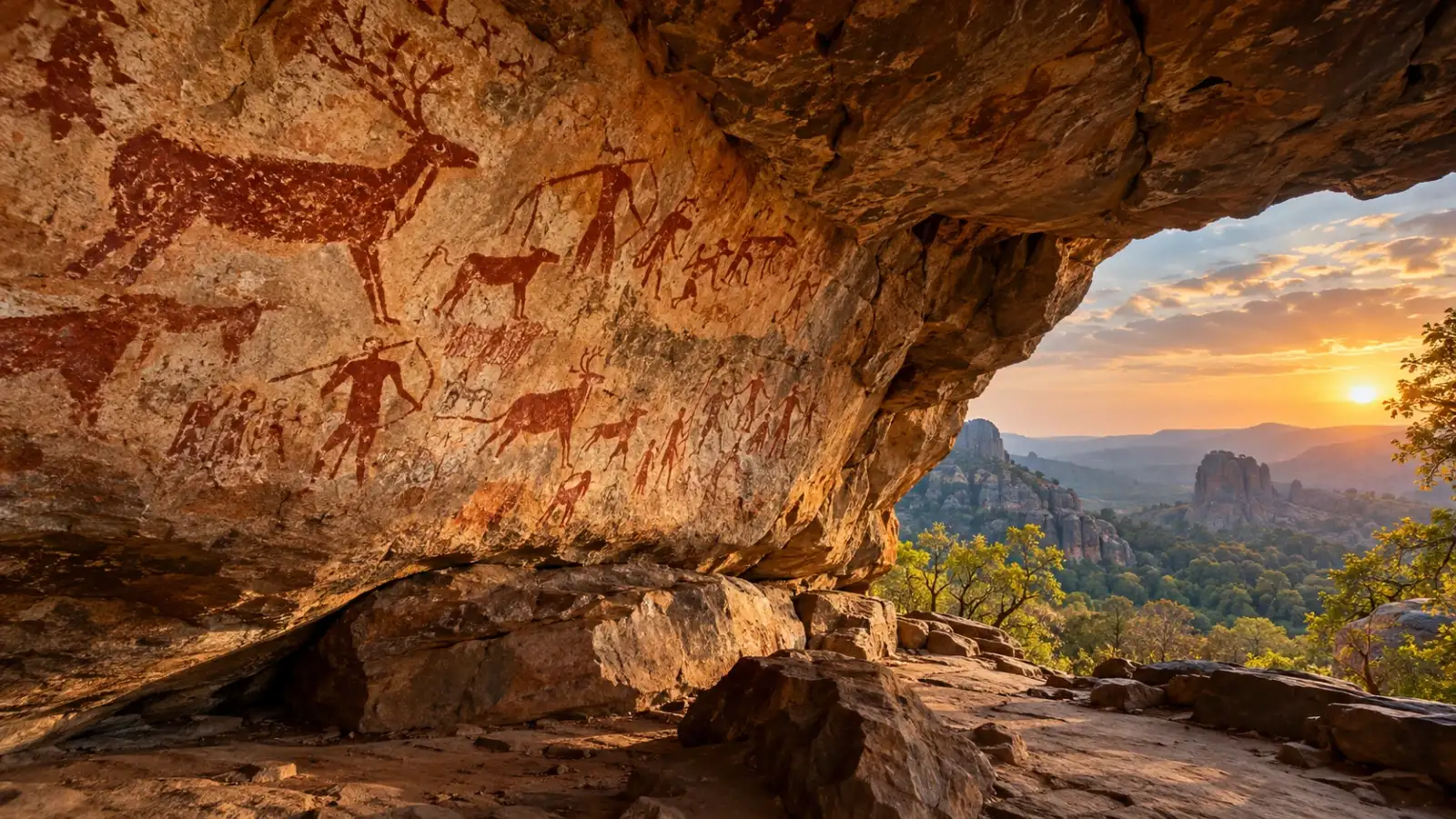
The artwork includes scenes of hunting, dancing, animals, community gatherings and everyday life. Red and white pigments are particularly noticeable. Some paintings are believed to date back to prehistoric times, making Bhimbetka an important place for understanding early human life in the Indian subcontinent.
The painted figures and decorative patterns are considered important examples of early Indian mural art. Their historical significance makes the caves particularly interesting for visitors who want to explore the relationship between art, religion and ancient communities.
Although these paintings belong to historical rather than prehistoric periods, they demonstrate how ancient Indian artists used natural pigments, detailed expressions and sophisticated techniques to create lasting works of art.
The rock surfaces feature human figures, animals and geometric designs in colours such as red, black and white. Some figures appear in groups, suggesting activities involving several people. The paintings offer valuable clues about the artistic expression and social life of early communities in the Himalayan foothills.
The carvings include human figures, animals, symbols and geometric patterns. Researchers have identified markings from different periods, making the site an important destination for understanding prehistoric and early historic cultures in southern India.
Some of the markings are associated with musical rock surfaces, where striking particular stones produces ringing sounds. The site contains petroglyphs, including human and animal figures, and provides an unusual connection between ancient artistic expression and the natural landscape.
The artwork includes animals, human figures and scenes that appear to represent hunting and other activities. The paintings are spread across rocky surfaces along a natural landscape, making the location particularly valuable for researchers studying prehistoric art in western India.
The paintings are often associated with hunting, movement and social interactions. Adamgarh is an important site for those interested in exploring the prehistoric heritage of central India beyond the better-known Bhimbetka complex.
The wider region has several archaeological locations, making it an interesting area for those studying the prehistoric history of central India. Visitors should check local access arrangements before planning a trip.
Unlike painted cave shelters, much of Ladakh's ancient rock art is carved directly into stone. These engravings reflect the movement of people, cultural exchanges and artistic traditions that developed along historic routes through the Himalayan region.
They also demonstrate that artistic creativity has been part of human life for thousands of years. From the colourful shelters of Bhimbetka to the engraved stones of Ladakh, each location offers a different perspective on India's cultural past.
India's ancient rock art sites are more than archaeological attractions. They are reminders of the people who lived, travelled and created art long before modern civilisation took shape. Whether you explore the famous Bhimbetka shelters or the lesser-known sites of Uttarakhand and Karnataka, these locations offer a rare opportunity to connect with the country's distant past. Visitors should follow conservation guidelines, avoid touching or marking the artwork and check access conditions before travelling.
1. Bhimbetka Rock Shelters , Madhya Pradesh
Located in the Raisen district of Madhya Pradesh, the Bhimbetka Rock Shelters are among India's most significant prehistoric art sites. Recognised as a UNESCO World Heritage Site, the complex contains hundreds of rock shelters, many decorated with paintings from different periods.The artwork includes scenes of hunting, dancing, animals, community gatherings and everyday life. Red and white pigments are particularly noticeable. Some paintings are believed to date back to prehistoric times, making Bhimbetka an important place for understanding early human life in the Indian subcontinent.
2. Jogimara Caves, Chhattisgarh
The Jogimara Caves are located near Ramgarh Hill in Chhattisgarh. These caves are known for their ancient paintings and inscriptions, which provide insights into early artistic traditions.The painted figures and decorative patterns are considered important examples of early Indian mural art. Their historical significance makes the caves particularly interesting for visitors who want to explore the relationship between art, religion and ancient communities.
3. Ajanta Caves, Maharashtra
The Ajanta Caves are famous for their magnificent Buddhist murals, sculptures and rock-cut architecture. Carved into a horseshoe-shaped cliff, the caves contain paintings that mainly illustrate stories from the Jataka tales, the life of Buddha and scenes from royal and everyday life.Although these paintings belong to historical rather than prehistoric periods, they demonstrate how ancient Indian artists used natural pigments, detailed expressions and sophisticated techniques to create lasting works of art.
4. Lakhudiyar Rock Paintings, Uttarakhand
Situated near the Suyal River in the Almora district, Lakhudiyar Rock Paintings are an important prehistoric art site in the Kumaon region.The rock surfaces feature human figures, animals and geometric designs in colours such as red, black and white. Some figures appear in groups, suggesting activities involving several people. The paintings offer valuable clues about the artistic expression and social life of early communities in the Himalayan foothills.
5. Edakkal Caves , Kerala
Located in the Wayanad district, Edakkal Caves are known for their ancient engravings and rock markings. Despite their name, these are natural rock formations rather than conventional caves.The carvings include human figures, animals, symbols and geometric patterns. Researchers have identified markings from different periods, making the site an important destination for understanding prehistoric and early historic cultures in southern India.
6. Kupgal Rock Art Site, Karnataka
The Kupgal Rock Art Site is known for its prehistoric rock engravings, particularly on large granite surfaces.Some of the markings are associated with musical rock surfaces, where striking particular stones produces ringing sounds. The site contains petroglyphs, including human and animal figures, and provides an unusual connection between ancient artistic expression and the natural landscape.
7. Chaturbhujnath Nala, Rajasthan
Located in the Chambal region of Rajasthan, Chaturbhujnath Nala is known for its extensive collection of prehistoric rock paintings.The artwork includes animals, human figures and scenes that appear to represent hunting and other activities. The paintings are spread across rocky surfaces along a natural landscape, making the location particularly valuable for researchers studying prehistoric art in western India.
8. Adamgarh Hills, Madhya Pradesh
Near Narmadapuram, the Adamgarh Hills contain rock shelters with prehistoric paintings. These artworks feature animals, human figures and scenes that offer glimpses into the activities of early communities.The paintings are often associated with hunting, movement and social interactions. Adamgarh is an important site for those interested in exploring the prehistoric heritage of central India beyond the better-known Bhimbetka complex.
9. Charama Rock Paintings, Chhattisgarh
The Charama region of Chhattisgarh has attracted attention for its ancient rock paintings and engravings. The artwork includes human figures, animals and other motifs that reflect the cultural expressions of early communities.The wider region has several archaeological locations, making it an interesting area for those studying the prehistoric history of central India. Visitors should check local access arrangements before planning a trip.
10. Leh and Ladakh's Rock Art Sites
Ladakh is home to numerous ancient rock carvings and petroglyphs, particularly along the Indus River valley. Sites around areas such as Alchi and Saspol feature engraved images of animals, human figures, hunting scenes and symbolic designs.Unlike painted cave shelters, much of Ladakh's ancient rock art is carved directly into stone. These engravings reflect the movement of people, cultural exchanges and artistic traditions that developed along historic routes through the Himalayan region.
Why Are India's Ancient Rock Art Sites Important?
Ancient rock paintings and engravings are valuable historical records because they preserve details that may not appear in written documents. They help researchers understand how early communities interacted with animals, used their surroundings, organised social activities and expressed their beliefs.They also demonstrate that artistic creativity has been part of human life for thousands of years. From the colourful shelters of Bhimbetka to the engraved stones of Ladakh, each location offers a different perspective on India's cultural past.
India's ancient rock art sites are more than archaeological attractions. They are reminders of the people who lived, travelled and created art long before modern civilisation took shape. Whether you explore the famous Bhimbetka shelters or the lesser-known sites of Uttarakhand and Karnataka, these locations offer a rare opportunity to connect with the country's distant past. Visitors should follow conservation guidelines, avoid touching or marking the artwork and check access conditions before travelling.
Next Story