
Why Bagan Is One of the Most Fascinating Historical Destinations in Southeast Asia

Bagan is one of Southeast Asia's most remarkable archaeological destinations, famous for its vast landscape of ancient temples, stupas and pagodas. Located in central Myanmar, this historic region was once the capital of the Pagan Kingdom and developed into an important centre of Buddhist culture between the 9th and 13th centuries. Thousands of religious monuments were built across its plains, creating a landscape unlike almost anywhere else in the world. Today, Bagan attracts travellers interested in history, architecture and spirituality. Its ancient brick structures, intricate murals and peaceful surroundings offer a fascinating glimpse into Myanmar's cultural heritage.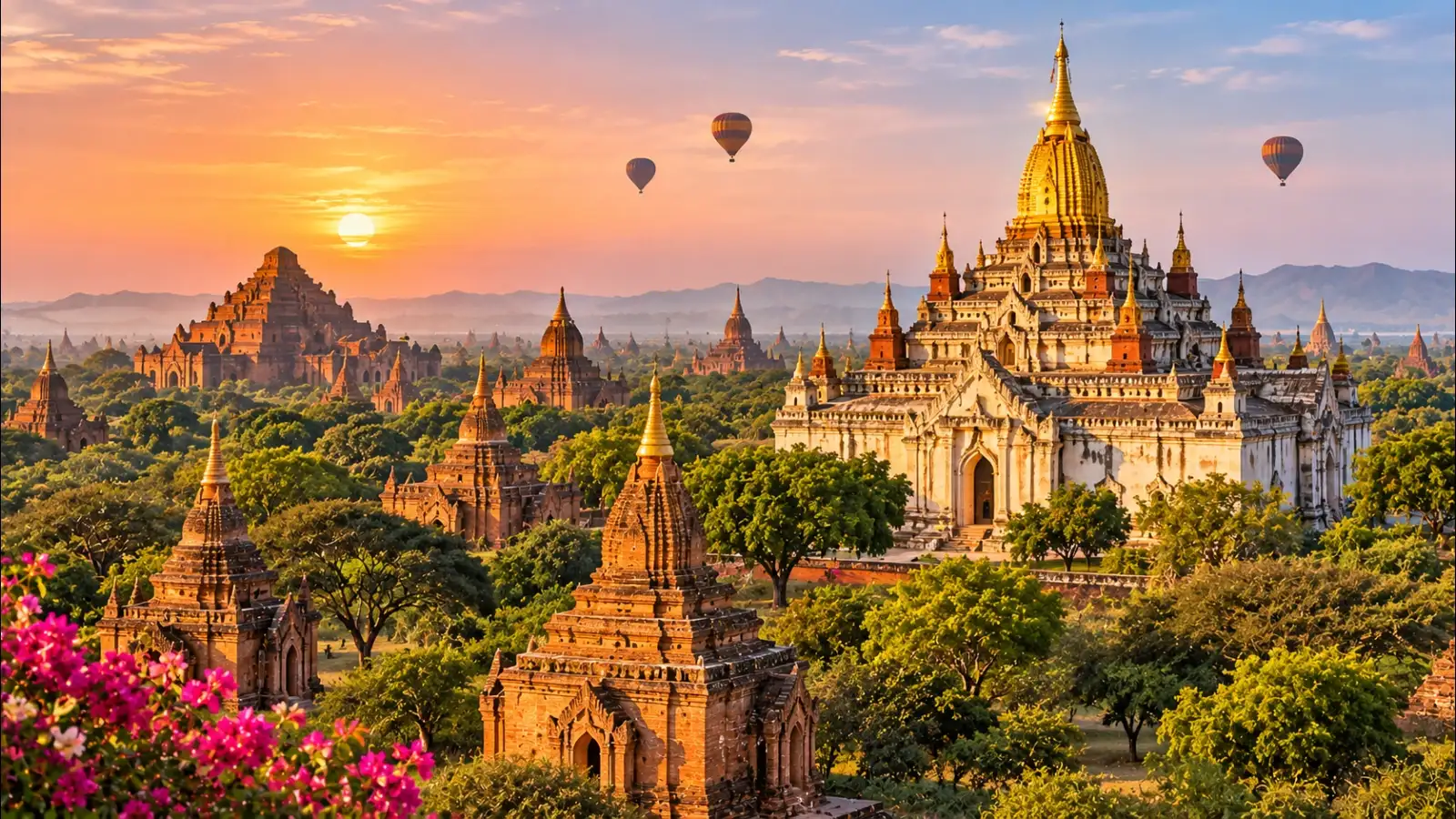
1. Explore the Magnificent Ananda Temple
Ananda Temple is one of Bagan's most celebrated religious monuments. Built during the late 11th or early 12th century, it is admired for its symmetrical design, gilded decorations and impressive architectural details.
The temple houses four large standing Buddha images facing the cardinal directions. Its corridors feature numerous smaller Buddha figures and decorative elements that reflect the artistic traditions of the Pagan period. The combination of architecture and religious symbolism makes Ananda Temple an essential stop for visitors.
2. Visit the Historic Dhammayangyi Temple
Dhammayangyi Temple is one of the largest temples in Bagan. Its massive brick structure dominates the surrounding landscape and is known for its distinctive pyramid-like appearance.
Although parts of the temple remain unfinished, its impressive scale and carefully arranged brickwork make it an important example of Pagan architecture. Visitors can admire its exterior and explore accessible interior sections while learning about the history associated with its construction.
3. Admire the Golden Shwezigon Pagoda
Shwezigon Pagoda is among the most important Buddhist monuments in Bagan. Its large golden stupa is believed to have influenced the design of several later pagodas across Myanmar.
The complex features beautifully decorated entrances, smaller shrines and religious structures. It remains an active place of worship, attracting local devotees as well as visitors. Its golden surface looks particularly striking in the changing daylight.
4. Discover the Elegant Sulamani Temple
Sulamani Temple was built in the late 12th century during the reign of King Narapatisithu. It is admired for its balanced architectural design, decorative brickwork and surviving interior murals.
The temple's walls and corridors contain paintings that provide insight into Buddhist stories and the artistic traditions of ancient Bagan. Its detailed craftsmanship makes it particularly interesting for travellers who enjoy historic architecture.
5. Explore the Unique Htilominlo Temple
Htilominlo Temple is a large three-storey structure known for its symmetrical layout and elaborate exterior decorations. Built in the 13th century, it is an important example of the later architectural style of Bagan.
The temple features detailed stucco work, decorative entrances and Buddha images inside. Its impressive brick construction reflects the technical skills of the artisans who worked during the Pagan Kingdom.
6. Visit the Beautiful Thatbyinnyu Temple
Thatbyinnyu Temple is one of Bagan's tallest temples and stands out prominently across the archaeological landscape. Built during the 12th century, it features multiple levels and a distinctive whitewashed appearance.
Its name is associated with the concept of omniscience in Buddhist tradition. Although access to some structures may be restricted for conservation and safety reasons, the temple remains an important landmark to admire from the surrounding area.
7. Discover the Historic Gawdawpalin Temple
Gawdawpalin Temple is another striking monument in the Bagan Archaeological Zone . Its tall structure and layered design make it one of the most recognisable temples in the region.
Built during the 12th and 13th centuries, it features several levels, decorative entrances and Buddha images. The temple has also undergone restoration following earthquake damage, reflecting the ongoing efforts to preserve Bagan's historic monuments.
8. Admire the Murals at Gubyaukgyi Temple
Gubyaukgyi Temple near Myinkaba village is especially known for its well-preserved interior murals. The paintings depict scenes from the Jataka tales, which describe the previous lives of the Buddha.
The temple also features decorative stucco work and detailed architectural elements. Its murals provide valuable insight into the religious beliefs and artistic achievements of the Pagan period.
9. Explore the Ancient Manuha Temple
Manuha Temple is one of Bagan's distinctive religious landmarks, known for its large seated and reclining Buddha images. It is traditionally associated with King Manuha, who was a Mon ruler captured during the expansion of the Pagan Kingdom.
The temple's interior has a relatively compact design, creating an interesting contrast with the enormous Buddha figures housed within it. Its history adds another layer to the cultural story of ancient Bagan.
10. Experience the Sunrise Landscape of Bagan
One of the most memorable experiences in Bagan is watching the early morning light spread across its temple-filled plains. As the sun rises, the silhouettes of ancient stupas and pagodas create a remarkable landscape.
Hot-air balloon flights have traditionally been a popular way to admire the region from above, although their availability depends on local operating conditions and travel advisories. Visitors can also enjoy panoramic views from permitted viewpoints and designated areas.
Best Time to Visit Bagan
The period from November to February is generally considered suitable for exploring Bagan, as temperatures are relatively comfortable and rainfall is limited. March and April can be extremely hot, making outdoor sightseeing more challenging.
Visitors should carry drinking water, wear comfortable footwear and dress respectfully when entering religious sites. Shoes and socks must generally be removed before entering temple interiors. It is also important to follow local rules about photography and access, as some monuments may be closed for conservation or safety reasons.
Bagan offers an extraordinary opportunity to explore Myanmar's ancient Buddhist heritage through its remarkable collection of temples, pagodas and stupas. From the architectural beauty of Ananda Temple to the impressive scale of Dhammayangyi and the golden Shwezigon Pagoda, every monument reveals something about the region's history. For travellers interested in archaeology, religious architecture and cultural heritage, Bagan remains one of Southeast Asia's most fascinating destinations.
1. Explore the Magnificent Ananda Temple
Ananda Temple is one of Bagan's most celebrated religious monuments. Built during the late 11th or early 12th century, it is admired for its symmetrical design, gilded decorations and impressive architectural details.
The temple houses four large standing Buddha images facing the cardinal directions. Its corridors feature numerous smaller Buddha figures and decorative elements that reflect the artistic traditions of the Pagan period. The combination of architecture and religious symbolism makes Ananda Temple an essential stop for visitors.
2. Visit the Historic Dhammayangyi Temple
Dhammayangyi Temple is one of the largest temples in Bagan. Its massive brick structure dominates the surrounding landscape and is known for its distinctive pyramid-like appearance.
Although parts of the temple remain unfinished, its impressive scale and carefully arranged brickwork make it an important example of Pagan architecture. Visitors can admire its exterior and explore accessible interior sections while learning about the history associated with its construction.
3. Admire the Golden Shwezigon Pagoda
Shwezigon Pagoda is among the most important Buddhist monuments in Bagan. Its large golden stupa is believed to have influenced the design of several later pagodas across Myanmar.
The complex features beautifully decorated entrances, smaller shrines and religious structures. It remains an active place of worship, attracting local devotees as well as visitors. Its golden surface looks particularly striking in the changing daylight.
4. Discover the Elegant Sulamani Temple
Sulamani Temple was built in the late 12th century during the reign of King Narapatisithu. It is admired for its balanced architectural design, decorative brickwork and surviving interior murals.
The temple's walls and corridors contain paintings that provide insight into Buddhist stories and the artistic traditions of ancient Bagan. Its detailed craftsmanship makes it particularly interesting for travellers who enjoy historic architecture.
5. Explore the Unique Htilominlo Temple
Htilominlo Temple is a large three-storey structure known for its symmetrical layout and elaborate exterior decorations. Built in the 13th century, it is an important example of the later architectural style of Bagan.
The temple features detailed stucco work, decorative entrances and Buddha images inside. Its impressive brick construction reflects the technical skills of the artisans who worked during the Pagan Kingdom.
6. Visit the Beautiful Thatbyinnyu Temple
Thatbyinnyu Temple is one of Bagan's tallest temples and stands out prominently across the archaeological landscape. Built during the 12th century, it features multiple levels and a distinctive whitewashed appearance.
Its name is associated with the concept of omniscience in Buddhist tradition. Although access to some structures may be restricted for conservation and safety reasons, the temple remains an important landmark to admire from the surrounding area.
7. Discover the Historic Gawdawpalin Temple
Gawdawpalin Temple is another striking monument in the Bagan Archaeological Zone . Its tall structure and layered design make it one of the most recognisable temples in the region.
Built during the 12th and 13th centuries, it features several levels, decorative entrances and Buddha images. The temple has also undergone restoration following earthquake damage, reflecting the ongoing efforts to preserve Bagan's historic monuments.
8. Admire the Murals at Gubyaukgyi Temple
Gubyaukgyi Temple near Myinkaba village is especially known for its well-preserved interior murals. The paintings depict scenes from the Jataka tales, which describe the previous lives of the Buddha.
The temple also features decorative stucco work and detailed architectural elements. Its murals provide valuable insight into the religious beliefs and artistic achievements of the Pagan period.
9. Explore the Ancient Manuha Temple
Manuha Temple is one of Bagan's distinctive religious landmarks, known for its large seated and reclining Buddha images. It is traditionally associated with King Manuha, who was a Mon ruler captured during the expansion of the Pagan Kingdom.
The temple's interior has a relatively compact design, creating an interesting contrast with the enormous Buddha figures housed within it. Its history adds another layer to the cultural story of ancient Bagan.
10. Experience the Sunrise Landscape of Bagan
You may also like
- Chanakya Niti: Women who possess these five qualities bring prosperity! They become Lakshmi for the home!
- In a world addicted to scrolling, Brain Rot and Wisdom by Farhat Nasreen and Yusuf Rana Kamal asks if we're losing the art of thinking
- Beyond theatre and music, Pune explores a new art vocabulary
- No more fear of money vanishing from your bank account? Learn about the RBI's 'Emergency Stop Switch'
- RRB NTPC Skill Test Admit Card Released; Check Exam Center Guidelines
One of the most memorable experiences in Bagan is watching the early morning light spread across its temple-filled plains. As the sun rises, the silhouettes of ancient stupas and pagodas create a remarkable landscape.
Hot-air balloon flights have traditionally been a popular way to admire the region from above, although their availability depends on local operating conditions and travel advisories. Visitors can also enjoy panoramic views from permitted viewpoints and designated areas.
Best Time to Visit Bagan
The period from November to February is generally considered suitable for exploring Bagan, as temperatures are relatively comfortable and rainfall is limited. March and April can be extremely hot, making outdoor sightseeing more challenging.
Visitors should carry drinking water, wear comfortable footwear and dress respectfully when entering religious sites. Shoes and socks must generally be removed before entering temple interiors. It is also important to follow local rules about photography and access, as some monuments may be closed for conservation or safety reasons.
Bagan offers an extraordinary opportunity to explore Myanmar's ancient Buddhist heritage through its remarkable collection of temples, pagodas and stupas. From the architectural beauty of Ananda Temple to the impressive scale of Dhammayangyi and the golden Shwezigon Pagoda, every monument reveals something about the region's history. For travellers interested in archaeology, religious architecture and cultural heritage, Bagan remains one of Southeast Asia's most fascinating destinations.






Loving Newspoint? Download the app now
