
Ancient Wellness Secrets That Continue To Amaze Us

Before modern-day serums and science-backed skincare, there were age-old beauty rituals passed down through generations. From ancient India to Egypt and Greece, many of these practices were rooted in natural ingredients, seasonal rhythms, and holistic well-being. Surprisingly, some of these secrets have stood the test of time—and science is slowly catching up. Whether it’s glowing skin, stronger hair, or ageless allure, these ancient remedies still deliver results without needing a lab-made formula.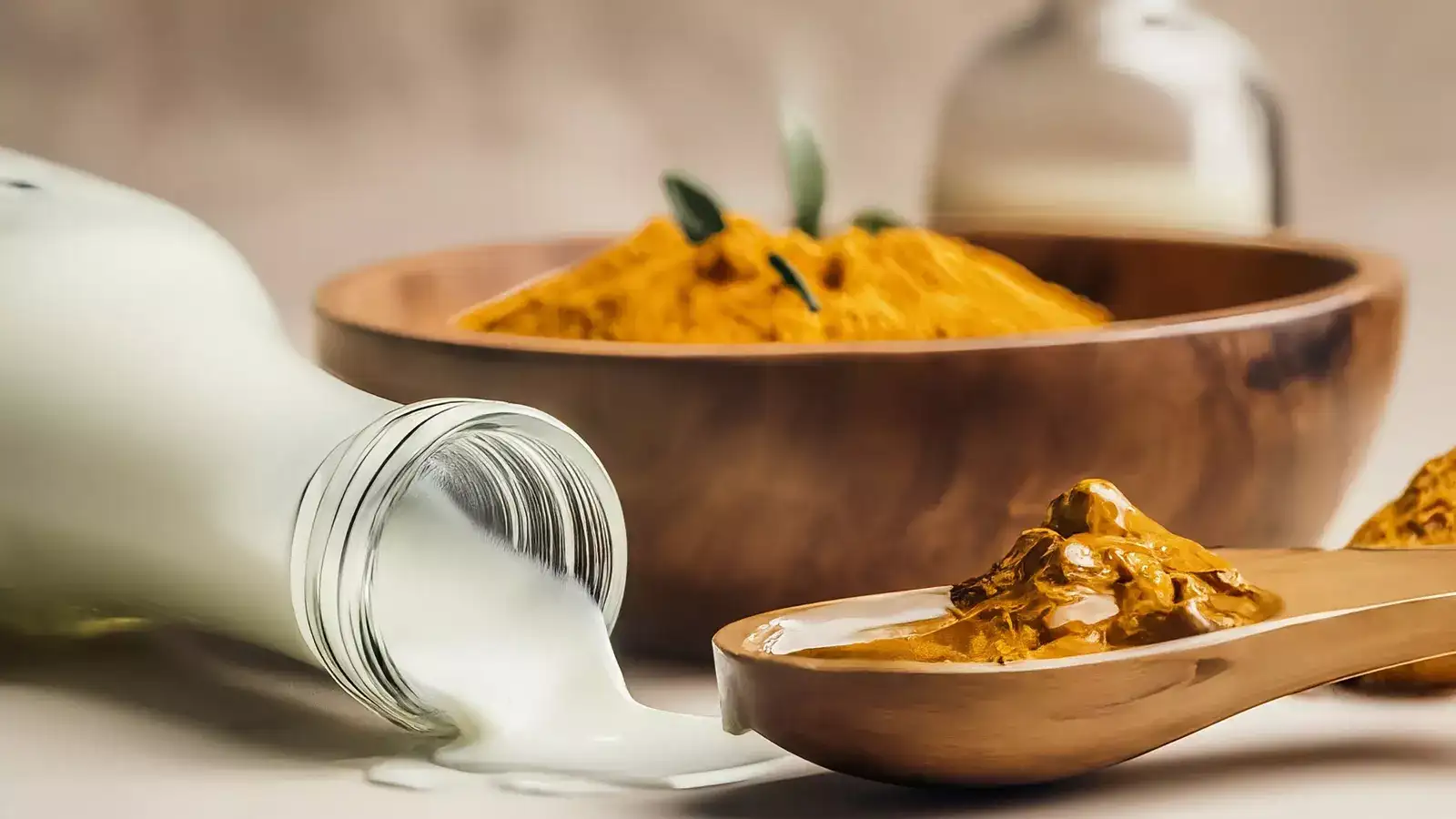
What our ancestors lacked in laboratories, they made up for in deep observation and nature’s wisdom. Ancient beauty secrets weren’t just about aesthetics; they were about balance, wellness, and long-term care. The best part? These practices didn’t harm the skin with harsh chemicals—they healed it. As the beauty world returns to roots, these timeless traditions are finding new admirers every day.
Cleopatra’s Milk and Honey Bath Still Inspires Spa Rituals
Cleopatra, the famed Egyptian queen, was said to bathe in milk and honey to soften her skin. Lactic acid in milk gently exfoliates dead skin cells, while honey moisturises and soothes. This combination is still popular in spa treatments across the world and continues to inspire luxurious bath soaks that nourish the skin naturally.Ubtan from India: A Herbal Glow Booster
Used in Indian households for centuries, ubtan is a natural face and body scrub made from turmeric, gram flour, sandalwood powder and rose water. Traditionally applied to brides before their wedding day, it cleanses the skin, enhances radiance, and removes tan. This Ayurvedic formulation is still trusted as a chemical-free alternative to exfoliants.Olive Oil: The Mediterranean’s Skin Elixir
Ancient Greek and Roman women used olive oil not just in cooking but as a beauty staple. Rich in antioxidants and healthy fats, olive oil moisturises dry skin, soothes sunburns, and adds shine to hair. Even today, dermatologists recognise its value as a gentle and nourishing oil for both face and body.Rose Water: A Soothing Toner From the Past
Rose water has its roots in Persian beauty traditions. It was distilled from rose petals and used as a skin toner and mood enhancer. Known for its calming properties and lovely scent, rose water balances the skin’s pH, tightens pores, and refreshes dull skin. It remains a staple in both Eastern and Western skincare regimes.Ayurveda’s Neem for Clearer Skin
In ancient Indian Ayurveda, neem was hailed for its antiseptic, antibacterial and antifungal properties. Used in pastes, oils and powders, neem treats acne, controls oiliness, and purifies the skin. Even now, it’s widely used in herbal soaps, face masks and natural skincare lines targeting blemishes.Rice Water: The Secret Behind Silky Hair
Asian civilisations, particularly in Japan and China, have used rice water for centuries as a hair rinse. Rich in amino acids and vitamins, rice water strengthens the hair shaft, promotes growth, and enhances shine. This ancient technique has seen a massive revival today, with rice-infused products gaining popularity worldwide.Fuller’s Earth: The Ancient Clay Mask
Known as Multani Mitti in India, Fuller’s Earth was used as a natural cleanser and oil absorber. Packed with minerals, this clay tightens the skin, reduces blemishes and cools inflammation. Ideal for oily and acne-prone skin, it continues to be a beloved DIY face pack ingredient for a natural matte glow.Henna: Not Just for Colour, But Care
Used since the Bronze Age in regions from North Africa to South Asia, henna is famous for colouring hair and body art. But its benefits go beyond dye—it conditions hair, cools the scalp, and strengthens roots. Unlike chemical colours, henna also supports scalp health and prevents dandruff.Sea Salt Scrubs From the Dead Sea
Ancient cultures living near salt-rich waters like the Dead Sea knew the skin-rejuvenating power of mineral-rich salt. Sea salt scrubs exfoliate dead skin, increase circulation, and help detoxify pores. Today, sea salt is still used in spa therapies and DIY scrubs for that soft, polished finish.Ghee: India’s Age-Old Moisturiser
Clarified butter, or ghee, was more than just food in Vedic India. It was used as a moisturiser for lips, heels, and dry skin. With essential fatty acids and vitamins, ghee deeply nourishes and heals. Ayurvedic skincare continues to use it as a base in balms and salves for intense hydration.What our ancestors lacked in laboratories, they made up for in deep observation and nature’s wisdom. Ancient beauty secrets weren’t just about aesthetics; they were about balance, wellness, and long-term care. The best part? These practices didn’t harm the skin with harsh chemicals—they healed it. As the beauty world returns to roots, these timeless traditions are finding new admirers every day.
Next Story