
Animal Friendships Explained: How Social Bonds Shape Their Lives

When we think about friendship, we usually picture people spending time together, helping each other and enjoying each other's company. But surprisingly, similar relationships can be found throughout the animal world.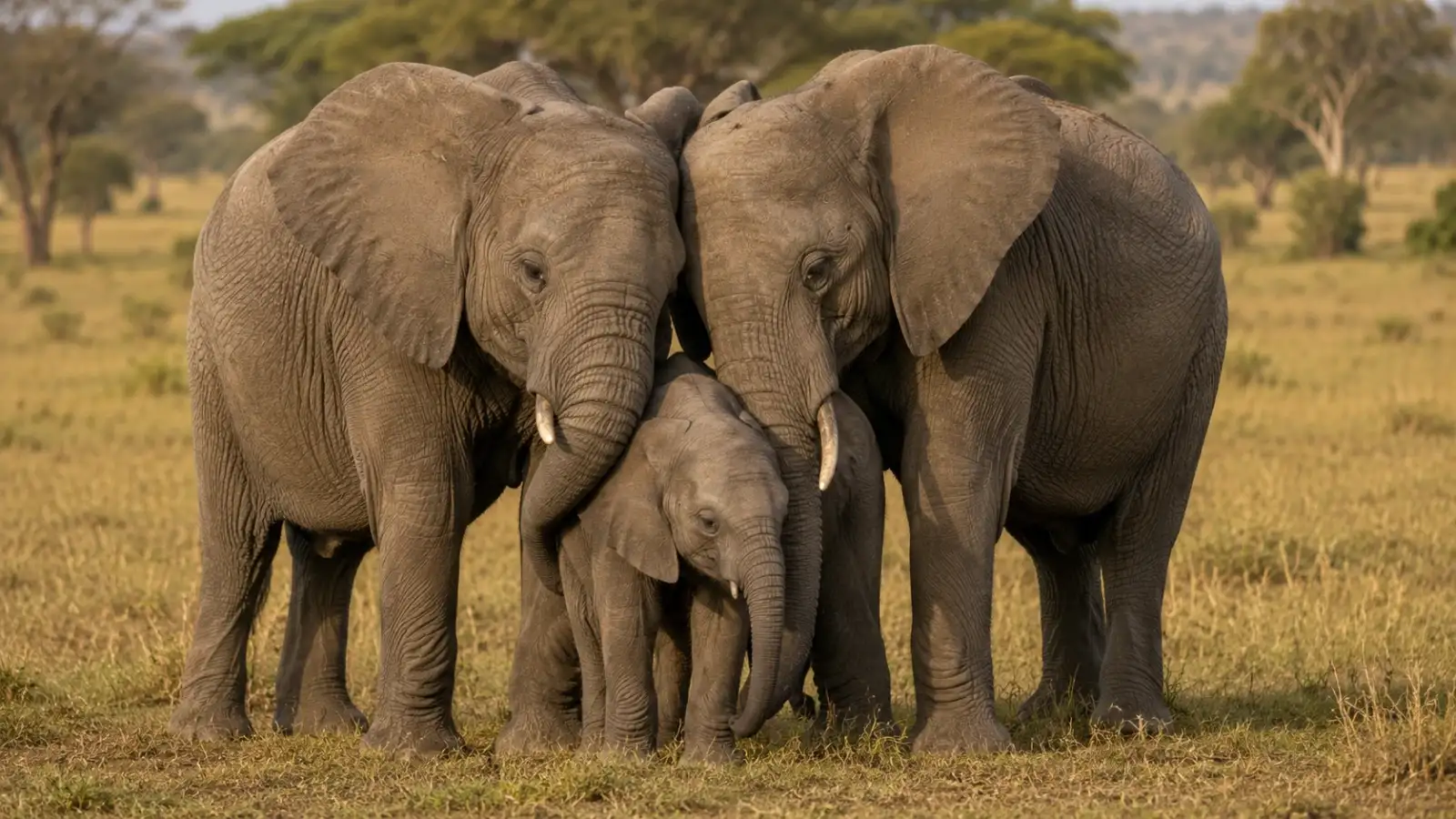
Animals do not use the word "friend", of course, and scientists are careful about applying human emotions to animal behaviour . However, many social animals repeatedly choose to spend time with particular individuals. They may groom one another, play together, travel side by side, share food or cooperate when facing danger.
These animal social bonds can last for months or even years. In some species, researchers have found that certain individuals appear to have preferred companions, rather than treating every member of their group equally.
So, do animals really have best friends? The answer is more complicated than a simple yes or no, but their relationships reveal just how sophisticated animal social lives can be.
Chimpanzees, dolphins, elephants, horses and several other species have been observed developing strong relationships with particular individuals.
A dolphin, for example, may repeatedly swim alongside the same companion. Elephants can maintain long-term relationships within their family groups, while chimpanzees spend considerable time grooming and cooperating with preferred partners.
These repeated choices are important because they suggest that animals recognise individuals and remember their past interactions.
Chimpanzees frequently groom one another, and individuals may spend more time grooming certain companions than others. Grooming can help reduce tension and create opportunities for social interaction.
Similar behaviour occurs in other primates. Spending time physically close to another individual can help establish trust and reinforce a social connection.
In these species, grooming can therefore be an important part of animal friendships .
Some dolphins cooperate with one another while searching for food, defending themselves or interacting with other groups. Male dolphins, in particular, can form alliances in which individuals work together.
Dolphins also recognise individual companions and communicate using a wide range of sounds.
Their changing social groups make their relationships particularly fascinating. A dolphin may move between different groups while still maintaining strong connections with particular companions.
Elephants greet familiar individuals, touch one another and cooperate when caring for young members of the group. They also show strong reactions when separated from or reunited with familiar companions.
Their ability to remember individuals is especially impressive. An elephant's social world can include relatives and other familiar animals encountered over many years.
These elephant social bonds help groups work together and may provide protection and support in challenging environments.
In groups, horses may choose to stand near certain individuals, groom them and remain close to them while resting or moving around.
Researchers have found that horses can distinguish between individuals and respond differently depending on their social relationships.
This can be particularly noticeable when horses are kept in groups. Some appear more relaxed when they have a familiar companion nearby.
Some species form long-term breeding partnerships, although the exact nature and stability of these pair bonds vary between species.
Partners may share responsibilities such as incubating eggs and caring for chicks. Their ability to coordinate these tasks requires recognition and cooperation.
Penguin colonies can contain thousands of birds, making individual recognition particularly useful.
A chimpanzee may groom another individual, cooperate with them and later support them during a conflict.
These relationships can also change over time. An animal may become closer to one companion while becoming less connected with another.
This flexibility shows that animal social behaviour is not always fixed. Relationships can develop according to circumstances, personality and previous experiences.
A more playful animal may prefer an equally energetic companion, while a quieter individual may spend more time with a calmer partner.
Researchers studying animal behaviour increasingly recognise the importance of individual personality. These differences may help explain why some animals form particularly strong bonds.
However, scientists cannot simply assume that two animals spending time together means they experience friendship in exactly the same way humans do.
Cooperating with a trusted partner can make it easier to find food, protect young, defend territory or deal with threats.
For highly social animals, maintaining good relationships may therefore be an important part of living successfully within a group.
A familiar companion can also make social interactions more predictable. An animal that knows another individual's behaviour may be better able to cooperate with them.
This does not mean that animals think about friendship in exactly the same way humans do. But their social relationships show that communication, memory and cooperation can be deeply connected.
Studying animal friendships can therefore teach scientists more about animal intelligence and the evolution of social behaviour.
It also challenges the old idea that animals simply act on instinct without forming meaningful relationships.
For highly social species, however, there is clear evidence that individuals often have preferred companions. They remember one another, spend time together and cooperate in ways that go beyond random interaction.
Calling these animals "best friends" is a human description, but it can be a useful way of understanding the strength and importance of their social relationships.
The animal world is full of connections that are surprisingly familiar. From dolphins swimming with trusted companions to elephants maintaining family bonds and chimpanzees grooming close partners, these relationships show that social life is not uniquely human.
Sometimes, having the right companion may matter just as much in the wild as it does in our own lives.
Animals do not use the word "friend", of course, and scientists are careful about applying human emotions to animal behaviour . However, many social animals repeatedly choose to spend time with particular individuals. They may groom one another, play together, travel side by side, share food or cooperate when facing danger.
These animal social bonds can last for months or even years. In some species, researchers have found that certain individuals appear to have preferred companions, rather than treating every member of their group equally.
So, do animals really have best friends? The answer is more complicated than a simple yes or no, but their relationships reveal just how sophisticated animal social lives can be.
Animals Can Have Preferred Companions
Not all animals are equally social, and even social species do not necessarily form the same relationships with everyone around them.Chimpanzees, dolphins, elephants, horses and several other species have been observed developing strong relationships with particular individuals.
A dolphin, for example, may repeatedly swim alongside the same companion. Elephants can maintain long-term relationships within their family groups, while chimpanzees spend considerable time grooming and cooperating with preferred partners.
These repeated choices are important because they suggest that animals recognise individuals and remember their past interactions.
Grooming Is More Than Keeping Clean
For many social animals, grooming serves a purpose beyond removing dirt or parasites. It can also help strengthen relationships.Chimpanzees frequently groom one another, and individuals may spend more time grooming certain companions than others. Grooming can help reduce tension and create opportunities for social interaction.
Similar behaviour occurs in other primates. Spending time physically close to another individual can help establish trust and reinforce a social connection.
In these species, grooming can therefore be an important part of animal friendships .
Dolphins Build Remarkably Complex Relationships
Dolphins are among the most socially sophisticated animals. Bottlenose dolphins live in flexible groups and can form relationships that last for many years.Some dolphins cooperate with one another while searching for food, defending themselves or interacting with other groups. Male dolphins, in particular, can form alliances in which individuals work together.
Dolphins also recognise individual companions and communicate using a wide range of sounds.
Their changing social groups make their relationships particularly fascinating. A dolphin may move between different groups while still maintaining strong connections with particular companions.
Elephants Rely on Long-Term Social Bonds
Elephants live in close social groups, particularly females and their young. Family relationships can remain important for many years.Elephants greet familiar individuals, touch one another and cooperate when caring for young members of the group. They also show strong reactions when separated from or reunited with familiar companions.
Their ability to remember individuals is especially impressive. An elephant's social world can include relatives and other familiar animals encountered over many years.
These elephant social bonds help groups work together and may provide protection and support in challenging environments.
Horses Can Form Strong Pair Bonds
Horses are also capable of developing close relationships with particular companions.In groups, horses may choose to stand near certain individuals, groom them and remain close to them while resting or moving around.
Researchers have found that horses can distinguish between individuals and respond differently depending on their social relationships.
This can be particularly noticeable when horses are kept in groups. Some appear more relaxed when they have a familiar companion nearby.
Penguins Show Strong Social Connections
Penguins are highly social birds and spend much of their lives around other members of their colony.Some species form long-term breeding partnerships, although the exact nature and stability of these pair bonds vary between species.
Partners may share responsibilities such as incubating eggs and caring for chicks. Their ability to coordinate these tasks requires recognition and cooperation.
Penguin colonies can contain thousands of birds, making individual recognition particularly useful.
Primates May Have Complex Social Circles
Primates provide some of the clearest examples of complex social relationships. Chimpanzees, bonobos, macaques and other species live in groups where individuals form alliances and preferred partnerships.A chimpanzee may groom another individual, cooperate with them and later support them during a conflict.
These relationships can also change over time. An animal may become closer to one companion while becoming less connected with another.
This flexibility shows that animal social behaviour is not always fixed. Relationships can develop according to circumstances, personality and previous experiences.
Personality May Influence Animal Friendships
Animals within the same species are not identical. They can have different temperaments, habits and preferences.A more playful animal may prefer an equally energetic companion, while a quieter individual may spend more time with a calmer partner.
Researchers studying animal behaviour increasingly recognise the importance of individual personality. These differences may help explain why some animals form particularly strong bonds.
However, scientists cannot simply assume that two animals spending time together means they experience friendship in exactly the same way humans do.
Friendship Can Have Practical Benefits
Strong social relationships are not necessarily just about companionship. They can also provide important survival advantages.Cooperating with a trusted partner can make it easier to find food, protect young, defend territory or deal with threats.
For highly social animals, maintaining good relationships may therefore be an important part of living successfully within a group.
You may also like
- In 2017, a professor found a dried coconut leaf on a walk; years later, it had inspired straws designed to replace plastic
- Indian-origin 7-year-old stuns with GCSE Maths result nearly 9 years early after finding primary school “too boring”; now preparing for A-levels
- Measuring Your Body's True Biological Age: How the New 'Intrinsic Capacity' Score Reveals Physical and Mental Strength
- What David Beckham's parenting journey teaches about staying connected with children: Being present is the greatest gift
- From one hour of study for a thekua to changing how India learns Physics: How HC Verma went from a struggling student in Bihar to a teacher millions turned to
A familiar companion can also make social interactions more predictable. An animal that knows another individual's behaviour may be better able to cooperate with them.
What Animal Friendships Tell Us About Intelligence
The ability to recognise individuals, remember previous interactions and adjust behaviour accordingly requires considerable mental ability.This does not mean that animals think about friendship in exactly the same way humans do. But their social relationships show that communication, memory and cooperation can be deeply connected.
Studying animal friendships can therefore teach scientists more about animal intelligence and the evolution of social behaviour.
It also challenges the old idea that animals simply act on instinct without forming meaningful relationships.
So, Do Animals Have Best Friends?
There is no single answer because different animals have different social systems. Some species form extremely strong long-term bonds, while others are mostly solitary.For highly social species, however, there is clear evidence that individuals often have preferred companions. They remember one another, spend time together and cooperate in ways that go beyond random interaction.
Calling these animals "best friends" is a human description, but it can be a useful way of understanding the strength and importance of their social relationships.
The animal world is full of connections that are surprisingly familiar. From dolphins swimming with trusted companions to elephants maintaining family bonds and chimpanzees grooming close partners, these relationships show that social life is not uniquely human.
Sometimes, having the right companion may matter just as much in the wild as it does in our own lives.






Loving Newspoint? Download the app now
