
10 Incredible Animals That Can Regenerate Limbs, Tails and Other Body Parts

Regeneration is one of the most fascinating abilities found in the animal kingdom. While humans can repair certain tissues and heal wounds, some animals can regrow entire limbs, tails, organs and even parts of their nervous systems. This remarkable biological process helps them recover from injuries, escape predators and sometimes survive situations that would be fatal to other species. From tiny freshwater creatures to unusual amphibians and marine animals, nature offers several examples of impressive regeneration. Scientists study these species to understand how their cells repair damaged tissues and what these abilities might reveal about healing in other living organisms.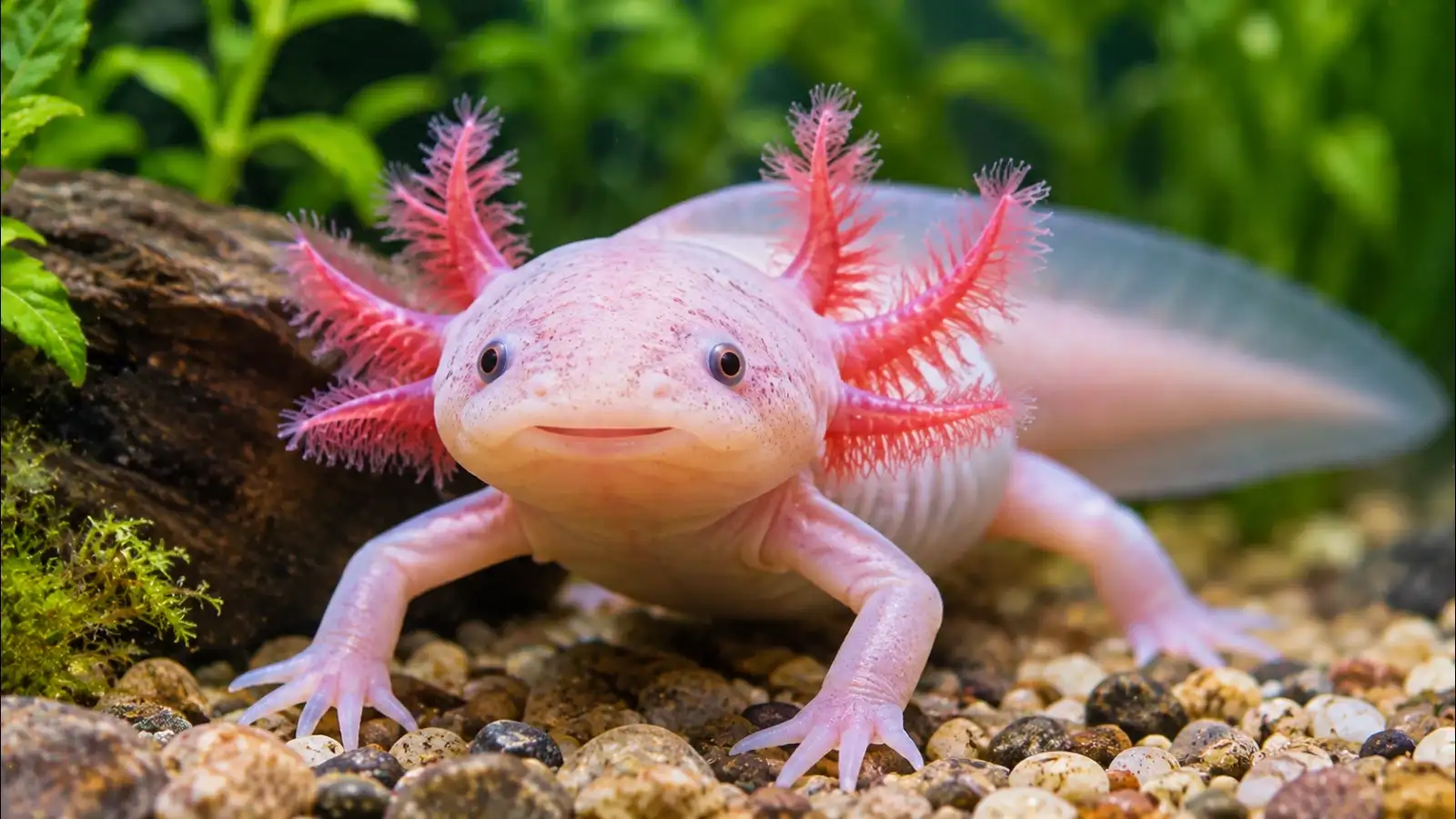
Its regenerative abilities also extend to parts of its spinal cord, heart and brain. Unlike ordinary wound healing, the process can restore complex structures with relatively little scarring. Scientists study axolotls to understand how cells coordinate the growth of replacement tissues.
In certain species, a detached arm containing part of the central disc can even develop into a new individual. However, this ability varies between species, and not every lost arm can produce a complete sea star.
Their bodies contain special cells called neoblasts, which can develop into different cell types. These cells help rebuild missing tissues and organs, including the head and nervous system. Their regenerative abilities make planarians important subjects in biological research.
After losing its tail, a gecko can grow a replacement. However, the new tail is not always identical to the original. It generally has a different internal structure, with cartilage replacing much of the original bony vertebral arrangement.
When a salamander loses a limb, cells around the injury form a structure known as a blastema. These cells multiply and develop into the different tissues needed to rebuild the missing part. Some salamanders can also repair parts of their spinal cord and other organs.
Afterwards, many species can regenerate the lost internal structures over time. Their ability to rebuild organs such as parts of the digestive system has attracted scientific interest, particularly in research involving tissue repair and regeneration.
The replacement usually develops gradually through successive moulting stages. A newly regenerated limb may initially be smaller than the original, becoming more developed during later moults.
When a section of the heart is injured, zebrafish can activate cells that help replace damaged heart muscle. Researchers study this process to understand why some vertebrates regenerate tissues more effectively than others.
When divided into pieces, many hydra species can reorganise their cells and develop into complete organisms. Their regenerative capacity is closely linked to continuously active stem cells, which help replace damaged and ageing tissues.
Researchers have documented this behaviour in particular sacoglossan sea slugs. The process is highly specialised and is not a general ability shared by all sea slugs.
Some animals form a blastema, a collection of cells that develops into the missing body part. Others rely on stem cells or the reorganisation of existing tissues. Genes, chemical signals and the surrounding environment all influence how regeneration takes place.
Although these findings do not mean humans can currently regrow entire limbs, they may help researchers explore new approaches to treating injuries and damaged tissues in the future.
The ability to regrow lost body parts shows how diverse and adaptable life can be. From planarian flatworms that can rebuild entire bodies to axolotls that regenerate complex limbs, these animals demonstrate biological processes that scientists are still working to understand. Their remarkable abilities offer valuable opportunities for research and reveal how nature has developed different ways to survive injury and recover from damage.
1. Axolotl
The axolotl is a remarkable amphibian native to Mexico and is famous for its ability to regenerate several body parts. It can regrow lost limbs, including bones, muscles, nerves and blood vessels.Its regenerative abilities also extend to parts of its spinal cord, heart and brain. Unlike ordinary wound healing, the process can restore complex structures with relatively little scarring. Scientists study axolotls to understand how cells coordinate the growth of replacement tissues.
2. Starfish
Starfish, also known as sea stars, are well known for their ability to regenerate lost arms. If an arm is damaged or removed, many species can gradually grow a replacement.In certain species, a detached arm containing part of the central disc can even develop into a new individual. However, this ability varies between species, and not every lost arm can produce a complete sea star.
3. Planarian Flatworms
Planarian flatworms are among the most extraordinary examples of regeneration in nature. These small freshwater animals can regrow an entire body from remarkably small fragments.Their bodies contain special cells called neoblasts, which can develop into different cell types. These cells help rebuild missing tissues and organs, including the head and nervous system. Their regenerative abilities make planarians important subjects in biological research.
4. Geckos
Many gecko species can detach their tails when threatened by predators. This process, known as autotomy, gives the animal an opportunity to escape while the moving tail may distract the attacker.After losing its tail, a gecko can grow a replacement. However, the new tail is not always identical to the original. It generally has a different internal structure, with cartilage replacing much of the original bony vertebral arrangement.
5. Salamanders
Several salamander species have impressive regenerative abilities. They can regrow lost limbs, tails and certain damaged tissues.When a salamander loses a limb, cells around the injury form a structure known as a blastema. These cells multiply and develop into the different tissues needed to rebuild the missing part. Some salamanders can also repair parts of their spinal cord and other organs.
6. Sea Cucumbers
Sea cucumbers have an unusual defence mechanism that involves expelling some internal organs when threatened by predators. This behaviour is known as evisceration.Afterwards, many species can regenerate the lost internal structures over time. Their ability to rebuild organs such as parts of the digestive system has attracted scientific interest, particularly in research involving tissue repair and regeneration.
7. Crabs
Crabs and several other crustaceans can regrow lost legs and claws. They may lose these appendages during fights, accidents or encounters with predators.The replacement usually develops gradually through successive moulting stages. A newly regenerated limb may initially be smaller than the original, becoming more developed during later moults.
8. Zebrafish
Zebrafish are small freshwater fish that have become important in scientific research because of their regenerative abilities. They can regrow damaged fins and repair certain tissues, including parts of the heart.When a section of the heart is injured, zebrafish can activate cells that help replace damaged heart muscle. Researchers study this process to understand why some vertebrates regenerate tissues more effectively than others.
9. Hydras
Hydras are tiny freshwater animals with simple tube-shaped bodies and tentacles. Despite their small size, they possess an extraordinary ability to regenerate.When divided into pieces, many hydra species can reorganise their cells and develop into complete organisms. Their regenerative capacity is closely linked to continuously active stem cells, which help replace damaged and ageing tissues.
You may also like
- No official charges on UPI, yet extra fees are being demanded from vendors – Survey
- QR Code Generation: Can you create a QR code at home, and what technology is used for it?
- Beyond Ramayana: India could have its own cinematic universe
- Michael Jackson made his children wear masks and cover their faces in public: How was this unusual choice a surprising parenting decision
- Dr Shriram Nene: Health Check: Dr. Shriram Nene Gives Practical Wellness Advice
10. Sea Slugs
Certain sea slug species display an unusual form of regeneration. Some species can detach their entire body from the head and later regenerate missing organs and other structures.Researchers have documented this behaviour in particular sacoglossan sea slugs. The process is highly specialised and is not a general ability shared by all sea slugs.
How Do Animals Regrow Lost Body Parts?
Regeneration involves several biological processes that allow an animal to replace damaged or missing structures. Depending on the species, specialised cells may multiply, change into different cell types and organise themselves into the required tissues.Some animals form a blastema, a collection of cells that develops into the missing body part. Others rely on stem cells or the reorganisation of existing tissues. Genes, chemical signals and the surrounding environment all influence how regeneration takes place.
Why Do Scientists Study Animal Regeneration ?
Understanding regeneration could provide useful insights into tissue repair, wound healing and organ recovery. Scientists investigate animals such as axolotls, planarians and zebrafish to understand how their cells rebuild complex structures.Although these findings do not mean humans can currently regrow entire limbs, they may help researchers explore new approaches to treating injuries and damaged tissues in the future.
The ability to regrow lost body parts shows how diverse and adaptable life can be. From planarian flatworms that can rebuild entire bodies to axolotls that regenerate complex limbs, these animals demonstrate biological processes that scientists are still working to understand. Their remarkable abilities offer valuable opportunities for research and reveal how nature has developed different ways to survive injury and recover from damage.






Loving Newspoint? Download the app now
