
Animals That Laugh: 5 Fascinating Creatures That Cackle, Giggle and Express Joy

Animals that laugh prove that joy is not limited to humans. While laughter is often seen as a uniquely human expression, science shows that several animals produce laughter-like sounds during play, bonding and excitement. From forests to oceans, these joyful expressions reveal that emotions such as happiness, trust and connection exist across species, reshaping how we understand animal behaviour.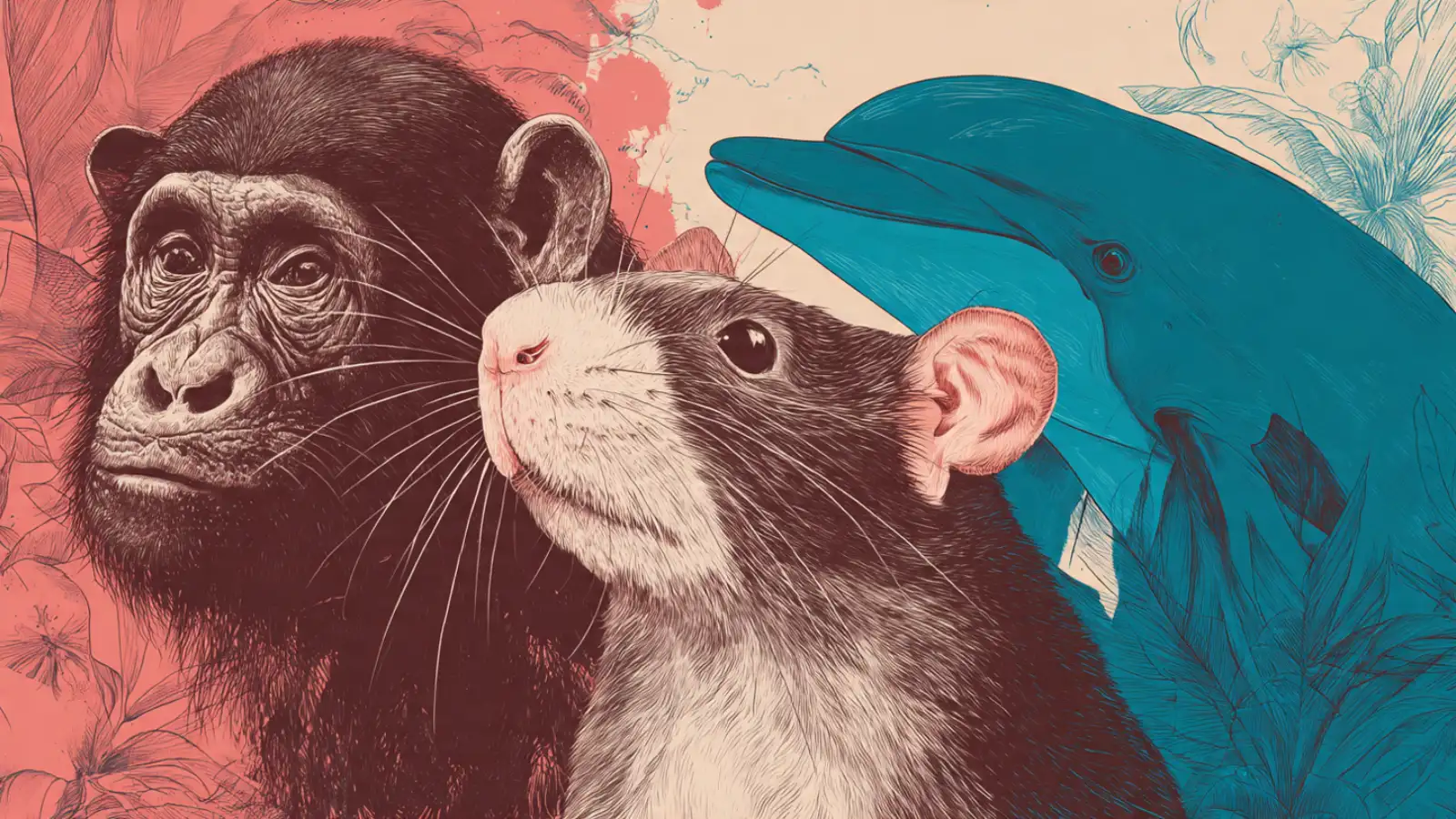
1. Rats: Tiny Creatures With a Big Sense of Joy
Rats may be small, but their emotional world is surprisingly rich. Researchers have discovered that rats emit high-frequency chirping sounds when they are happy, especially during play or gentle tickling. Although these sounds are too high-pitched for human ears, special equipment confirms they closely resemble laughter.
Rat laughter shows that joy does not need to be loud or visible to be real.
Chimp laughter highlights how joy and bonding evolved long before human language.
Dolphin laughter reminds us that happiness grows stronger when shared.
Hyena laughter reflects emotional honesty and social awareness, not menace.
5. Kea Parrots: Giggles That Spark Play
Native to New Zealand, kea parrots produce a special warbling call that triggers playful behaviour in others. This sound works much like laughter, spreading joy through the group.
Their giggles prove that play is essential, not optional.
Why Animal Laughter Truly Matters
Animals that laugh challenge the belief that emotions belong only to humans. Across species, laughter strengthens bonds, reduces aggression and builds trust. Whether it is a rat chirping, a chimp panting, a dolphin whistling, a hyena cackling or a kea giggling, the purpose remains universal.
Understanding animal laughter encourages empathy and compassion. It reminds us that animals feel joy, form relationships and value play. The next time you hear an unusual sound from an animal, listen closely. It might just be laughter - a shared language connecting all living beings.
1. Rats: Tiny Creatures With a Big Sense of Joy
Rats may be small, but their emotional world is surprisingly rich. Researchers have discovered that rats emit high-frequency chirping sounds when they are happy, especially during play or gentle tickling. Although these sounds are too high-pitched for human ears, special equipment confirms they closely resemble laughter.
- Rats laugh most during playtime and when they feel safe
- They often anticipate fun, chirping even before interaction begins
- Laughter helps them bond and learn social rules
Rat laughter shows that joy does not need to be loud or visible to be real.
2. Chimpanzees: Playful Laughter That Sounds Familiar
Chimpanzees, our closest relatives, produce breathy panting sounds during play that closely resemble human laughter. This behaviour appears naturally and plays a vital role in their social lives.- Laughter signals trust and prevents play from turning aggressive
- Young chimps laugh more, encouraging group play
- Adults laugh selectively, showing emotional intelligence
Chimp laughter highlights how joy and bonding evolved long before human language.
3. Dolphins: Whistles and Giggles of Shared Happiness
Dolphins are known for intelligence, but their playful side is just as remarkable. When dolphins play, they make whistles and burst-pulse sounds that scientists associate with joy.- Dolphins vocalise during games, wave surfing and social play
- Their laughter-like sounds encourage group interaction
- Joy spreads quickly through the pod
Dolphin laughter reminds us that happiness grows stronger when shared.
4. Hyenas: The Misunderstood Cackle
The famous hyena cackle is often misunderstood as mockery, but it is actually a complex emotional signal. Hyenas use these sounds to express excitement, nervousness or social position.- Young hyenas cackle during play to avoid conflict
- Adult cackles convey status and emotional state
- Each laugh carries unique information
Hyena laughter reflects emotional honesty and social awareness, not menace.
5. Kea Parrots: Giggles That Spark Play
Native to New Zealand, kea parrots produce a special warbling call that triggers playful behaviour in others. This sound works much like laughter, spreading joy through the group.
- Kea laughter encourages curiosity and group play
- It has no direct survival purpose, only emotional value
- Even in harsh environments, kea prioritise joy
Their giggles prove that play is essential, not optional.
Why Animal Laughter Truly Matters
Animals that laugh challenge the belief that emotions belong only to humans. Across species, laughter strengthens bonds, reduces aggression and builds trust. Whether it is a rat chirping, a chimp panting, a dolphin whistling, a hyena cackling or a kea giggling, the purpose remains universal.
Understanding animal laughter encourages empathy and compassion. It reminds us that animals feel joy, form relationships and value play. The next time you hear an unusual sound from an animal, listen closely. It might just be laughter - a shared language connecting all living beings.
Next Story