
Animals That Turn Their Bodies Into Weapons: 5 Incredible Creatures With Built-In Armor

Animals that turn their bodies into weapons are among nature’s most fascinating survival stories. In the wild, defence is often the difference between life and death. Instead of relying on speed or aggression, some species have evolved shells, spikes, and quills that act as natural shields. These living defence systems are not designed to attack first - they exist to discourage predators and ensure survival in a dangerous world.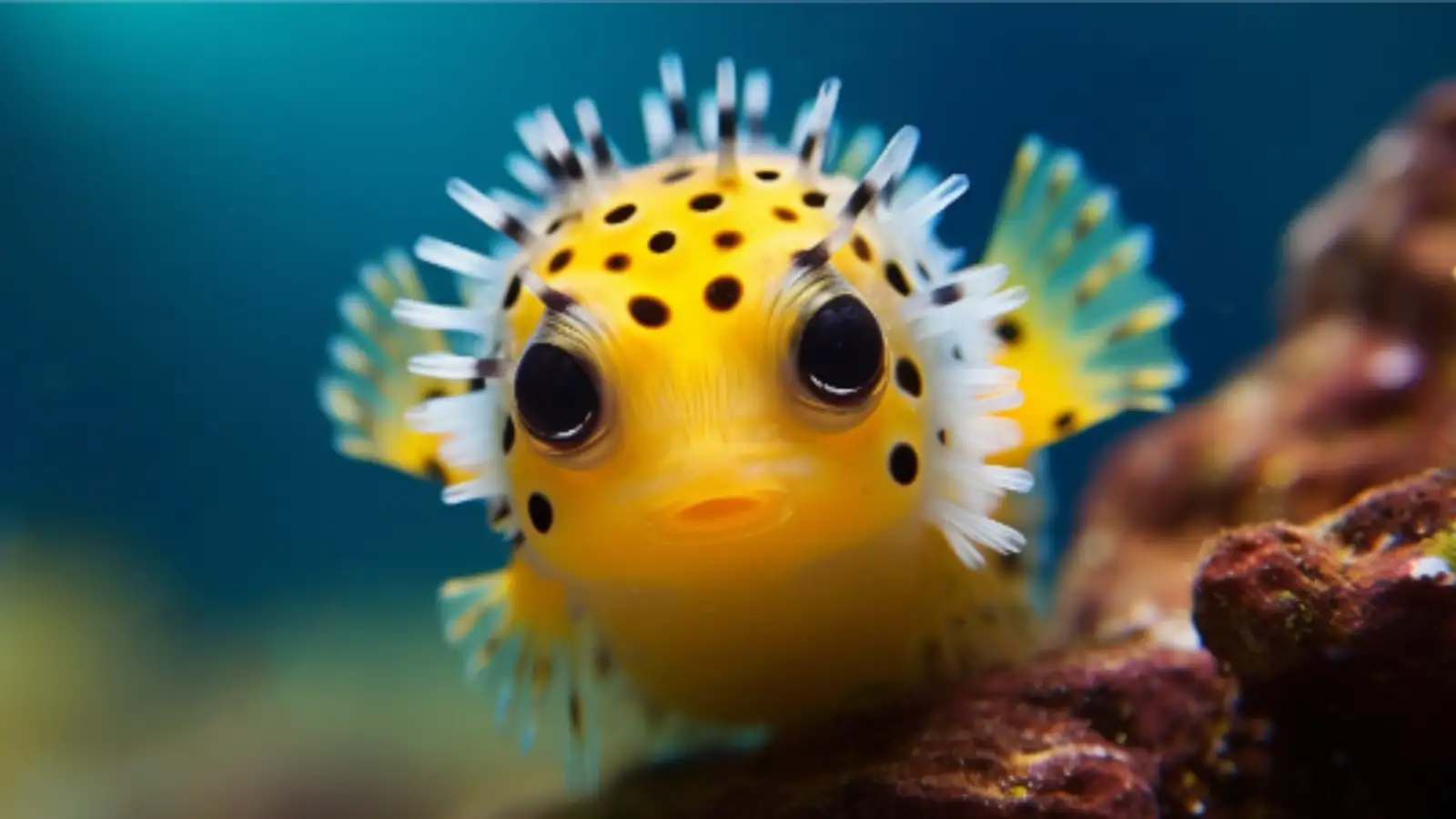
Let’s explore five remarkable creatures that have transformed their own bodies into powerful protective armour.
1. Porcupine: Nature’s Walking Shield of Quills
At first glance, the porcupine appears calm and harmless. But its body carries thousands of razor-sharp quills, making it one of the most well-defended mammals on Earth.
Contrary to popular belief, porcupines cannot shoot their quills. Instead, the quills detach easily when touched. Each one contains tiny barbs that make removal painful and difficult for predators. A single encounter can cause serious injury, often teaching hunters to avoid them in the future.
Found across Africa, Asia, and the Americas, porcupines prefer forests, grasslands, and rocky habitats. They are shy and non-aggressive animals. Their quills are purely defensive - a silent warning that getting too close comes at a cost.
2. Tortoise: The Living Fortress
The tortoise carries one of evolution’s most brilliant designs - a protective shell fused directly to its spine and ribs. This is not an external covering; it is part of the animal’s skeleton.
When threatened, a tortoise simply withdraws its head, legs, and tail inside its shell, transforming into a sealed fortress. Some species have domed shells to deflect force, while others feature flatter designs that help them blend into their environment.
Living in deserts, forests, islands, and grasslands worldwide, many tortoises can survive for more than 100 years. Their strategy proves that survival is not always about speed - sometimes, endurance is the ultimate weapon.
3. Thorny devil: The Spiked Guardian of the Desert
Native to Australia’s harsh deserts, the thorny devil is covered entirely in sharp spikes. From head to tail, its body looks like a walking cluster of thorns.
These spikes serve two purposes: protection and camouflage. The rough, textured surface helps it blend seamlessly into rocky desert landscapes. When threatened, it lowers its head and presents a false “decoy head” on its neck to confuse predators.
Despite its intimidating appearance, the thorny devil feeds almost exclusively on ants. It is slow-moving and peaceful, relying entirely on its natural armour to survive extreme conditions.
4. Pufferfish: The Ocean’s Inflating Defence System
Few creatures demonstrate dramatic defence like the pufferfish. When sensing danger, it rapidly inflates its body by swallowing water (or air), expanding into a spiked ball that becomes nearly impossible to swallow.
Many species also contain powerful toxins in their skin and organs, adding a chemical layer of protection. Even a determined predator risks poisoning itself.
Found in tropical and subtropical oceans - and even some freshwater rivers - pufferfish move slowly and explore their surroundings with curiosity. Their strength lies in surprise and transformation rather than speed.
5. Sea urchin: The Living Minefield of the Sea
Sea urchins may appear small and decorative, but their long, sharp spines make them formidable. These spines can pierce skin and, in some species, inject venom. They break easily, lodging into attackers and making any attempt to eat them painful.
Living on ocean floors, rocky shores, and coral reefs worldwide, sea urchins graze on algae and help maintain ecological balance. Their armour allows them to survive in open waters where they would otherwise be easy prey.
Why Animals Develop Natural Body Weapons
Spikes, shells, and quills are not random features. They are evolutionary responses to constant predation. Animals unable to outrun or overpower threats developed physical deterrents instead.
Predators typically seek easy targets. A body covered in sharp defences sends a clear signal: choose another meal. Over generations, species with stronger protective traits survived and passed those features forward.
The Survival Cost of Living Armour
While natural armour offers protection, it comes at a price. Growing shells or spikes requires significant energy. These adaptations may reduce flexibility, speed, or mobility.
In essence, these animals have traded agility for safety. Their bodies reflect a long evolutionary compromise - choosing protection over pursuit.
Humans and Armoured Animals: A Relationship of Misunderstanding
Many people fear animals with visible defences. Porcupines are harmed out of caution, sea urchins are destroyed accidentally, and pufferfish are mishandled without awareness of their toxins.
Yet these creatures are not aggressive. Their weapons are passive. They exist only to prevent harm, not to cause it.
Nature’s Living Armour: A Masterclass in Survival
Animals that turn their bodies into weapons are not conquerors of the wild - they are survivors. Their spikes and shells tell a story of adaptation shaped by danger and time.
In a world where strength is often measured by speed or force, these creatures offer a different lesson. True power sometimes lies in being untouchable. Evolution did not give them armour to dominate. It gave them armour to endure.
Let’s explore five remarkable creatures that have transformed their own bodies into powerful protective armour.
1. Porcupine: Nature’s Walking Shield of Quills
At first glance, the porcupine appears calm and harmless. But its body carries thousands of razor-sharp quills, making it one of the most well-defended mammals on Earth.
Contrary to popular belief, porcupines cannot shoot their quills. Instead, the quills detach easily when touched. Each one contains tiny barbs that make removal painful and difficult for predators. A single encounter can cause serious injury, often teaching hunters to avoid them in the future.
Found across Africa, Asia, and the Americas, porcupines prefer forests, grasslands, and rocky habitats. They are shy and non-aggressive animals. Their quills are purely defensive - a silent warning that getting too close comes at a cost.
2. Tortoise: The Living Fortress
The tortoise carries one of evolution’s most brilliant designs - a protective shell fused directly to its spine and ribs. This is not an external covering; it is part of the animal’s skeleton.
When threatened, a tortoise simply withdraws its head, legs, and tail inside its shell, transforming into a sealed fortress. Some species have domed shells to deflect force, while others feature flatter designs that help them blend into their environment.
Living in deserts, forests, islands, and grasslands worldwide, many tortoises can survive for more than 100 years. Their strategy proves that survival is not always about speed - sometimes, endurance is the ultimate weapon.
3. Thorny devil: The Spiked Guardian of the Desert
Native to Australia’s harsh deserts, the thorny devil is covered entirely in sharp spikes. From head to tail, its body looks like a walking cluster of thorns.
These spikes serve two purposes: protection and camouflage. The rough, textured surface helps it blend seamlessly into rocky desert landscapes. When threatened, it lowers its head and presents a false “decoy head” on its neck to confuse predators.
Despite its intimidating appearance, the thorny devil feeds almost exclusively on ants. It is slow-moving and peaceful, relying entirely on its natural armour to survive extreme conditions.
4. Pufferfish: The Ocean’s Inflating Defence System
Few creatures demonstrate dramatic defence like the pufferfish. When sensing danger, it rapidly inflates its body by swallowing water (or air), expanding into a spiked ball that becomes nearly impossible to swallow.
Many species also contain powerful toxins in their skin and organs, adding a chemical layer of protection. Even a determined predator risks poisoning itself.
Found in tropical and subtropical oceans - and even some freshwater rivers - pufferfish move slowly and explore their surroundings with curiosity. Their strength lies in surprise and transformation rather than speed.
5. Sea urchin: The Living Minefield of the Sea
Sea urchins may appear small and decorative, but their long, sharp spines make them formidable. These spines can pierce skin and, in some species, inject venom. They break easily, lodging into attackers and making any attempt to eat them painful.
Living on ocean floors, rocky shores, and coral reefs worldwide, sea urchins graze on algae and help maintain ecological balance. Their armour allows them to survive in open waters where they would otherwise be easy prey.
Why Animals Develop Natural Body Weapons
Spikes, shells, and quills are not random features. They are evolutionary responses to constant predation. Animals unable to outrun or overpower threats developed physical deterrents instead.
Predators typically seek easy targets. A body covered in sharp defences sends a clear signal: choose another meal. Over generations, species with stronger protective traits survived and passed those features forward.
The Survival Cost of Living Armour
While natural armour offers protection, it comes at a price. Growing shells or spikes requires significant energy. These adaptations may reduce flexibility, speed, or mobility.
In essence, these animals have traded agility for safety. Their bodies reflect a long evolutionary compromise - choosing protection over pursuit.
Humans and Armoured Animals: A Relationship of Misunderstanding
Many people fear animals with visible defences. Porcupines are harmed out of caution, sea urchins are destroyed accidentally, and pufferfish are mishandled without awareness of their toxins.
Yet these creatures are not aggressive. Their weapons are passive. They exist only to prevent harm, not to cause it.
Nature’s Living Armour: A Masterclass in Survival
Animals that turn their bodies into weapons are not conquerors of the wild - they are survivors. Their spikes and shells tell a story of adaptation shaped by danger and time.
In a world where strength is often measured by speed or force, these creatures offer a different lesson. True power sometimes lies in being untouchable. Evolution did not give them armour to dominate. It gave them armour to endure.
Next Story