
Animals With the Longest Gestation Periods: 4 Species That Carry Life the Longest

Animals with the longest gestation periods offer a powerful glimpse into how nature values preparation over speed. While humans experience pregnancy for around nine months, some species in the wild carry their young for well over a year. These extended pregnancies are carefully designed by evolution to ensure that newborns arrive strong, developed, and ready to survive in demanding environments.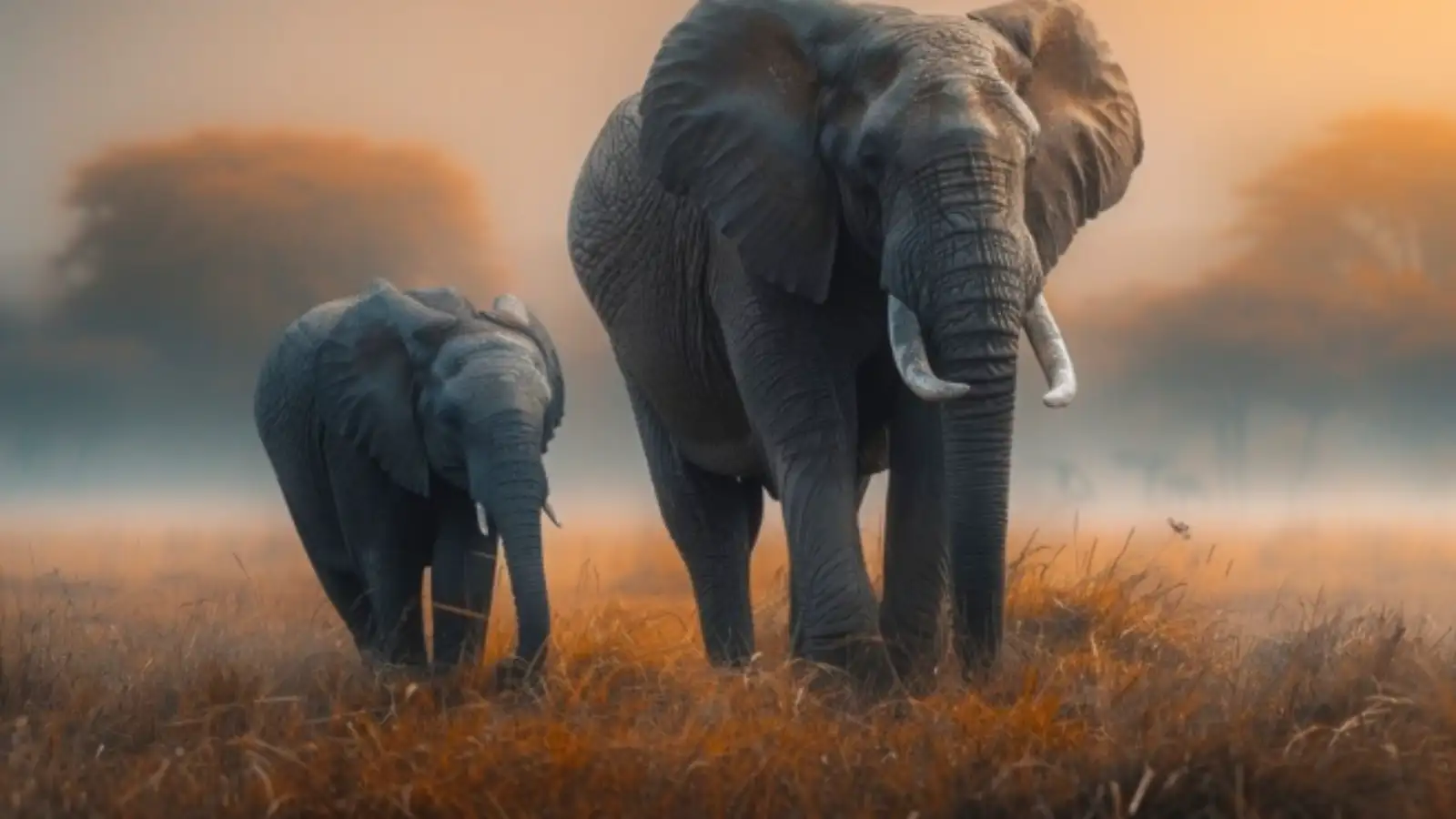
Here’s a closer look at four remarkable animals known for the longest gestation periods on Earth.
Elephants – The Longest Gestation Period in the Animal Kingdom
Elephants hold the record for the longest pregnancy among land animals. An elephant’s gestation period lasts about 22 months, making it the longest in the animal kingdom.
This extended timeframe is necessary because elephant calves are born highly developed. At birth, they can weigh more than 100 kilograms and must be able to stand and walk within hours. In the wild, movement is essential for survival, and the herd cannot remain stationary for long.
The long pregnancy also supports advanced brain development. Elephants are known for their intelligence, emotional depth, and strong social bonds. These traits begin forming before birth. During pregnancy, the mother is supported by her herd, which offers protection and companionship until the calf arrives.
Sperm Whales – Long Pregnancy Beneath the Ocean Surface
Sperm whales carry their young for approximately 15 to 16 months. Living in deep ocean waters, these marine giants require their calves to be physically prepared for an extreme environment.
A newborn sperm whale must be capable of swimming immediately and adapting to life in cold, high-pressure waters. The long gestation allows the calf to develop thick blubber for insulation and strong muscles for movement. Proper lung development is also essential, as these whales are known for their deep dives in search of food.
Female sperm whales live in social groups, and calves are raised within these pods. The extended pregnancy ensures that when the calf is born, it has the physical strength and resilience needed to survive in the vast ocean.
Rhinoceroses – Strength Built Over Time
Rhinoceroses also rank among animals with the longest gestation periods, carrying their calves for about 15 to 16 months.
Rhino calves are born relatively large and must quickly learn to walk and stay close to their mothers. Open grasslands offer little protection, and young calves can be vulnerable to predators. A longer gestation ensures that the calf is physically strong at birth, increasing its chances of survival.
Unlike elephants, rhinos are mostly solitary. A pregnant rhino depends on her own instincts and awareness. Given the ongoing threats of habitat loss and poaching, each successful birth plays an important role in sustaining the species.
Walruses – A Unique Strategy With Delayed Implantation
Walruses have a gestation period of roughly 15 months, but their pregnancy includes a fascinating adaptation known as delayed implantation.
After mating, the fertilised egg does not immediately attach to the uterus. Instead, development pauses for several months. Only when environmental conditions are favourable does the embryo resume growth. This ensures that the calf is born during a safer season, when food is more abundant and ice conditions are stable.
Walrus calves are born in Arctic regions and depend heavily on their mothers for warmth and nourishment. The extended gestation allows them to develop thick blubber and enough strength to survive freezing temperatures.
Why Do Some Animals Have Longer Gestation Periods?
Animals with long gestation periods typically give birth to fewer offspring but invest more resources in each one. Instead of producing many young at once, they focus on quality over quantity.
Longer pregnancies generally allow for:
For large mammals, especially those living in harsh or competitive habitats, this strategy significantly improves the chances of survival.
The Meaning Behind Nature’s Patience
The animals with the longest gestation periods remind us that growth and strength require time. These extended pregnancies are not delays but deliberate biological decisions. Each extra month inside the womb increases the newborn’s ability to survive, adapt, and thrive.
In a world that often values speed, these species demonstrate that some of the most powerful beginnings are shaped by patience and careful preparation.
Here’s a closer look at four remarkable animals known for the longest gestation periods on Earth.
Elephants – The Longest Gestation Period in the Animal Kingdom
Elephants hold the record for the longest pregnancy among land animals. An elephant’s gestation period lasts about 22 months, making it the longest in the animal kingdom.
This extended timeframe is necessary because elephant calves are born highly developed. At birth, they can weigh more than 100 kilograms and must be able to stand and walk within hours. In the wild, movement is essential for survival, and the herd cannot remain stationary for long.
The long pregnancy also supports advanced brain development. Elephants are known for their intelligence, emotional depth, and strong social bonds. These traits begin forming before birth. During pregnancy, the mother is supported by her herd, which offers protection and companionship until the calf arrives.
Sperm Whales – Long Pregnancy Beneath the Ocean Surface
Sperm whales carry their young for approximately 15 to 16 months. Living in deep ocean waters, these marine giants require their calves to be physically prepared for an extreme environment.
A newborn sperm whale must be capable of swimming immediately and adapting to life in cold, high-pressure waters. The long gestation allows the calf to develop thick blubber for insulation and strong muscles for movement. Proper lung development is also essential, as these whales are known for their deep dives in search of food.
Female sperm whales live in social groups, and calves are raised within these pods. The extended pregnancy ensures that when the calf is born, it has the physical strength and resilience needed to survive in the vast ocean.
Rhinoceroses – Strength Built Over Time
Rhinoceroses also rank among animals with the longest gestation periods, carrying their calves for about 15 to 16 months.
Rhino calves are born relatively large and must quickly learn to walk and stay close to their mothers. Open grasslands offer little protection, and young calves can be vulnerable to predators. A longer gestation ensures that the calf is physically strong at birth, increasing its chances of survival.
Unlike elephants, rhinos are mostly solitary. A pregnant rhino depends on her own instincts and awareness. Given the ongoing threats of habitat loss and poaching, each successful birth plays an important role in sustaining the species.
Walruses – A Unique Strategy With Delayed Implantation
Walruses have a gestation period of roughly 15 months, but their pregnancy includes a fascinating adaptation known as delayed implantation.
After mating, the fertilised egg does not immediately attach to the uterus. Instead, development pauses for several months. Only when environmental conditions are favourable does the embryo resume growth. This ensures that the calf is born during a safer season, when food is more abundant and ice conditions are stable.
Walrus calves are born in Arctic regions and depend heavily on their mothers for warmth and nourishment. The extended gestation allows them to develop thick blubber and enough strength to survive freezing temperatures.
Why Do Some Animals Have Longer Gestation Periods?
Animals with long gestation periods typically give birth to fewer offspring but invest more resources in each one. Instead of producing many young at once, they focus on quality over quantity.
Longer pregnancies generally allow for:
- Greater brain development
- Stronger muscles and bones
- Better coordination at birth
- Higher survival rates in challenging environments
For large mammals, especially those living in harsh or competitive habitats, this strategy significantly improves the chances of survival.
The Meaning Behind Nature’s Patience
The animals with the longest gestation periods remind us that growth and strength require time. These extended pregnancies are not delays but deliberate biological decisions. Each extra month inside the womb increases the newborn’s ability to survive, adapt, and thrive.
In a world that often values speed, these species demonstrate that some of the most powerful beginnings are shaped by patience and careful preparation.
Next Story