
4 Anime With Worldbuilding That Rivals One Piece

Few anime have created a fictional world as expansive as One Piece. Its islands feature distinct cultures, political conflicts, unusual ecosystems and mysteries that continue to influence the present. Every new destination adds another piece to a story that has developed over decades.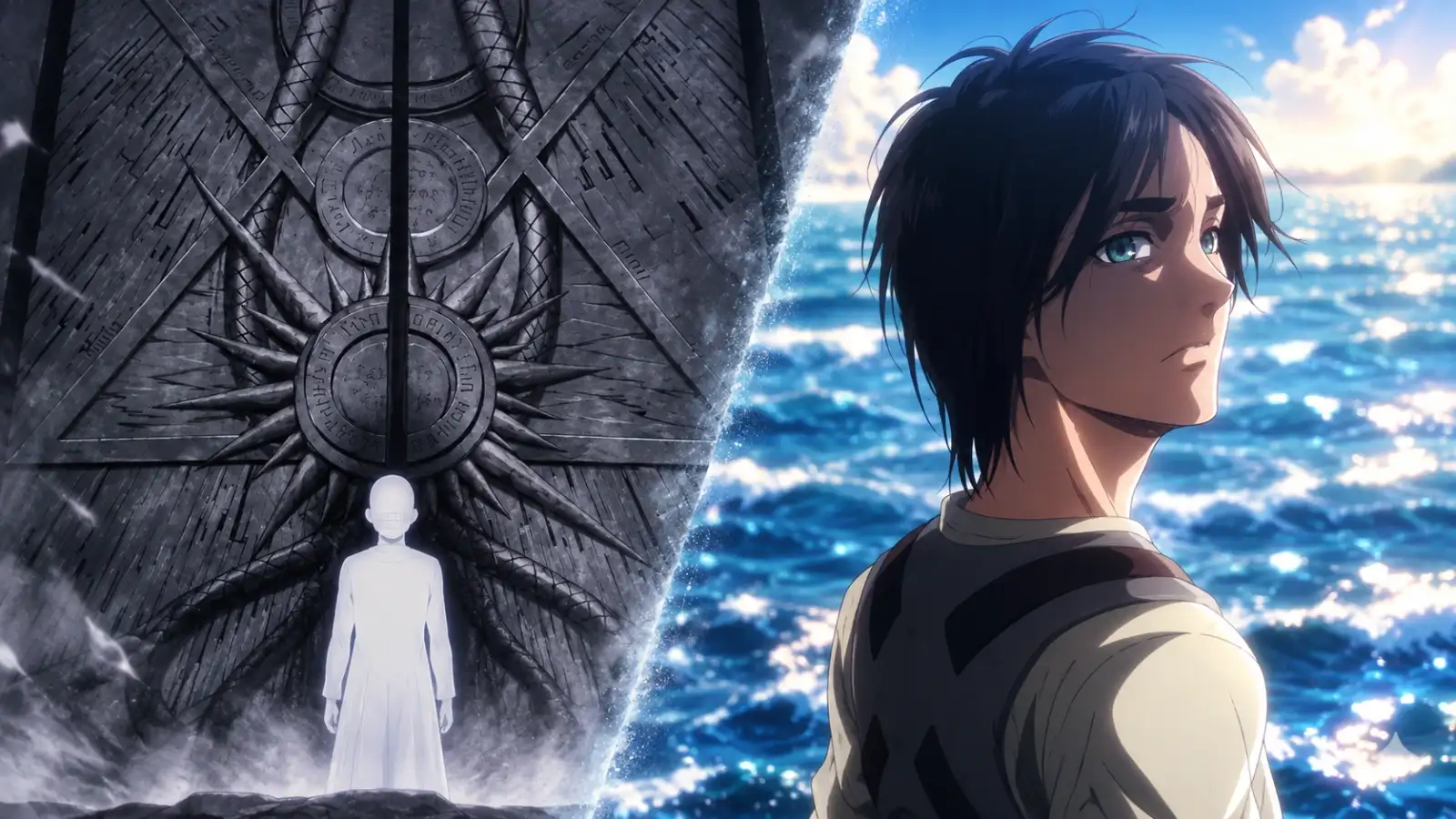
However, a large world is not necessarily a well-developed one. Some anime focus on smaller settings but give them remarkable depth through interconnected histories, political institutions and carefully established rules. Their worlds feel convincing because the details influence how people live, how governments operate and how conflicts unfold.
From the militarised nation of Amestris to the political struggles of an interstellar civilisation, these four anime offer worldbuilding that can stand alongside One Piece in its own way.
Amestris is a militarised state ruled by King Bradley. Its government influences nearly every aspect of society, while State Alchemists occupy a privileged position because their abilities can serve both scientific and military purposes.
Alchemy itself is central to the setting. It can be used to repair structures, conduct research and develop weapons. However, becoming a State Alchemist also means serving a government that can send its own specialists into dangerous military conflicts.
The Ishvalan War gives this world considerable historical depth. Its consequences continue to affect characters such as Scar, Roy Mustang, Riza Hawkeye and Marcoh. Each carries a different perspective on the violence, allowing the series to explore how a national tragedy shapes individuals long after the fighting ends.
What makes Fullmetal Alchemist: Brotherhood particularly effective is how closely its elements connect. The country's political history influences its characters, while alchemy drives both its scientific discoveries and its central conflict. Rather than treating worldbuilding as background decoration, the anime makes it essential to the plot.
The city of Orth has developed around the Abyss, and its economy depends heavily on relics recovered by Cave Raiders. Exploration has become part of the city's identity, with aspiring adventurers growing up fascinated by the discoveries made by experienced explorers.
The series also establishes a system of whistle ranks that reflects a Cave Raider's experience and determines how far they can venture. This gives exploration a clear social structure, while the risks associated with returning to the surface shape every expedition.
One of the Abyss's most important rules is that descending is generally easier than ascending. As explorers travel deeper, the consequences of climbing back up become increasingly dangerous. This single mechanic influences how people plan their journeys and raises the stakes of every decision.
The environment itself is equally detailed. Different layers contain distinct terrain, wildlife and relics that hint at civilisations from the distant past. Each discovery expands the audience's understanding of the Abyss without removing its sense of mystery.
Made in Abyss stands out because its geography, economy, culture and survival rules all depend on the same central location. The result is a setting that feels like a complete ecosystem rather than a backdrop for an adventure.
The Galactic Empire is an authoritarian system shaped by aristocratic privilege and generations of rule under the Goldenbaum dynasty. The Free Planets Alliance, by contrast, was founded by people escaping Imperial oppression and built around democratic ideals.
However, the series avoids presenting the conflict as a simple struggle between good and evil. The Empire contains individuals who are honourable and capable of meaningful reform, while corruption and political opportunism weaken the Alliance's democratic principles.
Their differences have developed over generations, giving the war a historical dimension that extends beyond individual battles. Political decisions, inherited institutions and competing ideologies all influence how the conflict continues.
The autonomous territory of Fezzan adds another layer to this system. Rather than competing primarily through military strength, it gains influence through commerce and its strategic position between the two major powers. Economics and diplomacy therefore become as important as military campaigns.
Legend of the Galactic Heroes excels at showing how governments are established, how ideals become compromised and how political systems change over time. Its worldbuilding is less about discovering new locations and more about understanding the forces that shape entire societies.
As the story progresses, revelations about the Titans and the history of the walls force viewers to reconsider what they previously believed. The setting gradually expands beyond the isolated society of Paradis, revealing a much larger world shaped by generations of conflict.
The history of the Eldian Empire, the persecution of Eldians and the political ambitions of Marley help explain why the characters' circumstances are so complicated. These developments do not simply introduce new locations. They change the meaning of events that the audience has already witnessed.
The series also explores how historical narratives are shaped by the societies that teach them. People on Paradis grow up with limited knowledge of the outside world, while Eldians living under Marleyan rule are exposed to a very different interpretation of their history.
Propaganda, inherited guilt and political prejudice therefore become integral parts of the setting. Characters make decisions based not only on their personal experiences but also on the histories and beliefs they have been taught to accept.
Attack on Titan's worldbuilding is particularly effective because discovering the truth about its world is central to the story itself. Each major revelation expands the setting while forcing the audience to reinterpret earlier events.
Fullmetal Alchemist: Brotherhood connects national history with politics and science. Made in Abyss builds an intricate ecosystem around a single location. Legend of the Galactic Heroes examines the evolution of political institutions, while Attack on Titan uses historical revelations to transform the audience's understanding of its setting.
Their approaches differ, but they share one important quality. The worlds are not simply places where stories happen. Their histories, rules and institutions actively shape the characters and the conflicts they face.
That depth gives each series a compelling argument in the ongoing discussion about anime with the best worldbuilding .
However, a large world is not necessarily a well-developed one. Some anime focus on smaller settings but give them remarkable depth through interconnected histories, political institutions and carefully established rules. Their worlds feel convincing because the details influence how people live, how governments operate and how conflicts unfold.
From the militarised nation of Amestris to the political struggles of an interstellar civilisation, these four anime offer worldbuilding that can stand alongside One Piece in its own way.
1. Fullmetal Alchemist: Brotherhood Connects Politics, History and Alchemy
At first, Amestris appears to be a conventional fantasy setting where Edward and Alphonse Elric travel between cities while searching for a way to restore their bodies. Their investigation into the Philosopher's Stone gradually reveals that the country's political structure and history are closely connected to a much larger conspiracy.Amestris is a militarised state ruled by King Bradley. Its government influences nearly every aspect of society, while State Alchemists occupy a privileged position because their abilities can serve both scientific and military purposes.
Alchemy itself is central to the setting. It can be used to repair structures, conduct research and develop weapons. However, becoming a State Alchemist also means serving a government that can send its own specialists into dangerous military conflicts.
The Ishvalan War gives this world considerable historical depth. Its consequences continue to affect characters such as Scar, Roy Mustang, Riza Hawkeye and Marcoh. Each carries a different perspective on the violence, allowing the series to explore how a national tragedy shapes individuals long after the fighting ends.
What makes Fullmetal Alchemist: Brotherhood particularly effective is how closely its elements connect. The country's political history influences its characters, while alchemy drives both its scientific discoveries and its central conflict. Rather than treating worldbuilding as background decoration, the anime makes it essential to the plot.
2. Made in Abyss Creates an Entire Ecosystem Around One Location
Made in Abyss demonstrates that a fictional world does not need to span continents or oceans to feel enormous. Its central setting is the Abyss, a vast chasm filled with mysterious creatures, ancient relics and dangers that become increasingly severe with depth.The city of Orth has developed around the Abyss, and its economy depends heavily on relics recovered by Cave Raiders. Exploration has become part of the city's identity, with aspiring adventurers growing up fascinated by the discoveries made by experienced explorers.
The series also establishes a system of whistle ranks that reflects a Cave Raider's experience and determines how far they can venture. This gives exploration a clear social structure, while the risks associated with returning to the surface shape every expedition.
One of the Abyss's most important rules is that descending is generally easier than ascending. As explorers travel deeper, the consequences of climbing back up become increasingly dangerous. This single mechanic influences how people plan their journeys and raises the stakes of every decision.
The environment itself is equally detailed. Different layers contain distinct terrain, wildlife and relics that hint at civilisations from the distant past. Each discovery expands the audience's understanding of the Abyss without removing its sense of mystery.
Made in Abyss stands out because its geography, economy, culture and survival rules all depend on the same central location. The result is a setting that feels like a complete ecosystem rather than a backdrop for an adventure.
3. Legend of the Galactic Heroes Explores How Civilisations Rise and Fall
While One Piece excels at creating distinctive islands and societies, Legend of the Galactic Heroes focuses on the political systems that shape entire civilisations. Its central conflict takes place between the Galactic Empire and the Free Planets Alliance, two powers whose histories influence the choices of their leaders and citizens.The Galactic Empire is an authoritarian system shaped by aristocratic privilege and generations of rule under the Goldenbaum dynasty. The Free Planets Alliance, by contrast, was founded by people escaping Imperial oppression and built around democratic ideals.
However, the series avoids presenting the conflict as a simple struggle between good and evil. The Empire contains individuals who are honourable and capable of meaningful reform, while corruption and political opportunism weaken the Alliance's democratic principles.
Their differences have developed over generations, giving the war a historical dimension that extends beyond individual battles. Political decisions, inherited institutions and competing ideologies all influence how the conflict continues.
The autonomous territory of Fezzan adds another layer to this system. Rather than competing primarily through military strength, it gains influence through commerce and its strategic position between the two major powers. Economics and diplomacy therefore become as important as military campaigns.
Legend of the Galactic Heroes excels at showing how governments are established, how ideals become compromised and how political systems change over time. Its worldbuilding is less about discovering new locations and more about understanding the forces that shape entire societies.
4. Attack on Titan Rewrites the Meaning of Its World
Attack on Titan begins with humanity living behind enormous walls to protect itself from terrifying creatures known as Titans. The Scouts venture beyond these barriers in search of answers, while the people inside struggle to survive and understand their increasingly dangerous situation.As the story progresses, revelations about the Titans and the history of the walls force viewers to reconsider what they previously believed. The setting gradually expands beyond the isolated society of Paradis, revealing a much larger world shaped by generations of conflict.
The history of the Eldian Empire, the persecution of Eldians and the political ambitions of Marley help explain why the characters' circumstances are so complicated. These developments do not simply introduce new locations. They change the meaning of events that the audience has already witnessed.
The series also explores how historical narratives are shaped by the societies that teach them. People on Paradis grow up with limited knowledge of the outside world, while Eldians living under Marleyan rule are exposed to a very different interpretation of their history.
Propaganda, inherited guilt and political prejudice therefore become integral parts of the setting. Characters make decisions based not only on their personal experiences but also on the histories and beliefs they have been taught to accept.
Attack on Titan's worldbuilding is particularly effective because discovering the truth about its world is central to the story itself. Each major revelation expands the setting while forcing the audience to reinterpret earlier events.
What Makes These Anime's Worldbuilding Stand Out?
One Piece remains exceptional for the sheer scale of its world and the variety of cultures, islands and mysteries it contains. However, these four anime demonstrate other ways of creating an immersive fictional setting.Fullmetal Alchemist: Brotherhood connects national history with politics and science. Made in Abyss builds an intricate ecosystem around a single location. Legend of the Galactic Heroes examines the evolution of political institutions, while Attack on Titan uses historical revelations to transform the audience's understanding of its setting.
Their approaches differ, but they share one important quality. The worlds are not simply places where stories happen. Their histories, rules and institutions actively shape the characters and the conflicts they face.
That depth gives each series a compelling argument in the ongoing discussion about anime with the best worldbuilding .
Next Story